A bedsore doctor plays a crucial role in helping patients recover from pressure ulcers, which often appear in individuals who are bedridden, wheelchair-dependent, or have limited mobility. These wounds can progress quickly without proper attention, causing pain, infection, and severe complications. With the help of a bedsore doctor, patients receive structured care that supports safe recovery and prevents further damage. This article explains why expert support is essential, how a bedsore doctor manages these wounds, and when families should seek professional help for their loved ones.
Understanding What a Bedsore Doctor Does
A bedsore doctor focuses on diagnosing and treating pressure ulcers that form when skin and tissue are exposed to prolonged pressure. These wounds commonly appear on areas such as the lower back, heels, elbows, and hips. A bedsore doctor is trained to handle the unique challenges caused by limited blood flow, poor nutrition, immobility, and underlying health issues that slow healing.
Pressure ulcers are categorized into stages, ranging from minor skin irritation to deep tissue damage. A bedsore doctor determines the stage of the wound and checks for issues such as dead tissue, swelling, odor, drainage, and signs of infection. This assessment allows the bedsore doctor to create a structured treatment plan that protects the patient’s comfort and safety.
Many families mistakenly rely on home remedies or improvised methods, which often worsen the wound. A bedsore doctor provides accurate evaluation and guidance to ensure the wound receives proper care from the start. Their expertise bridges the gap between general wound care and specialized pressure ulcer management.
Why Patients Need a Bedsore Doctor for Pressure Ulcers
A bedsore doctor is essential because pressure ulcers do not heal well without targeted medical support. When wounds are ignored or managed incorrectly, they can deepen rapidly, exposing tissue, muscle, or even bone. A bedsore doctor helps prevent this progression by identifying problems early and intervening before complications develop.
Delaying professional care often results in infection. Families sometimes overlook early symptoms such as warmth, redness, odor, or increased pain. A bedsore doctor is trained to spot these indicators and act quickly to prevent bacteria from spreading. Early treatment reduces hospitalization risks, lowers pain levels, and protects the patient’s long-term health.
Another reason patients need a bedsore doctor is the precise care these wounds require. Pressure ulcers often worsen due to repeated friction, poor positioning, and insufficient cleaning. A bedsore doctor understands how to manage these factors through structured repositioning schedules, moisture control, appropriate dressing selection, and advanced therapeutic options.
By working with a bedsore doctor, patients gain access to reliable care that addresses the root causes of the wound, not just the visible damage.
How a Bedsore Doctor Evaluates Pressure Ulcers
A bedsore doctor begins with a detailed assessment to determine the severity of the wound. The evaluation includes measuring the depth, checking for drainage, examining the color of the surrounding skin, and identifying dead tissue that may obstruct healing. This step is vital because pressure ulcers vary widely from patient to patient.
A bedsore doctor also checks circulation, mobility levels, hydration, nutrition, and other health factors that may slow recovery. Since pressure ulcers often appear in individuals with chronic illnesses, a bedsore doctor ensures that the patient’s overall condition supports the healing process.
Tools such as wound assessment grids, swabs for culture testing, and imaging may be used. The bedsore doctor uses this information to create a treatment plan that aligns with the wound’s stage and the patient’s physical condition. Continuous monitoring allows the bedsore doctor to adjust the plan as the wound changes.
This thorough evaluation enables the bedsore doctor to prevent complications, shorten healing time, and improve comfort for patients.
Common Treatments Provided by a Bedsore Doctor
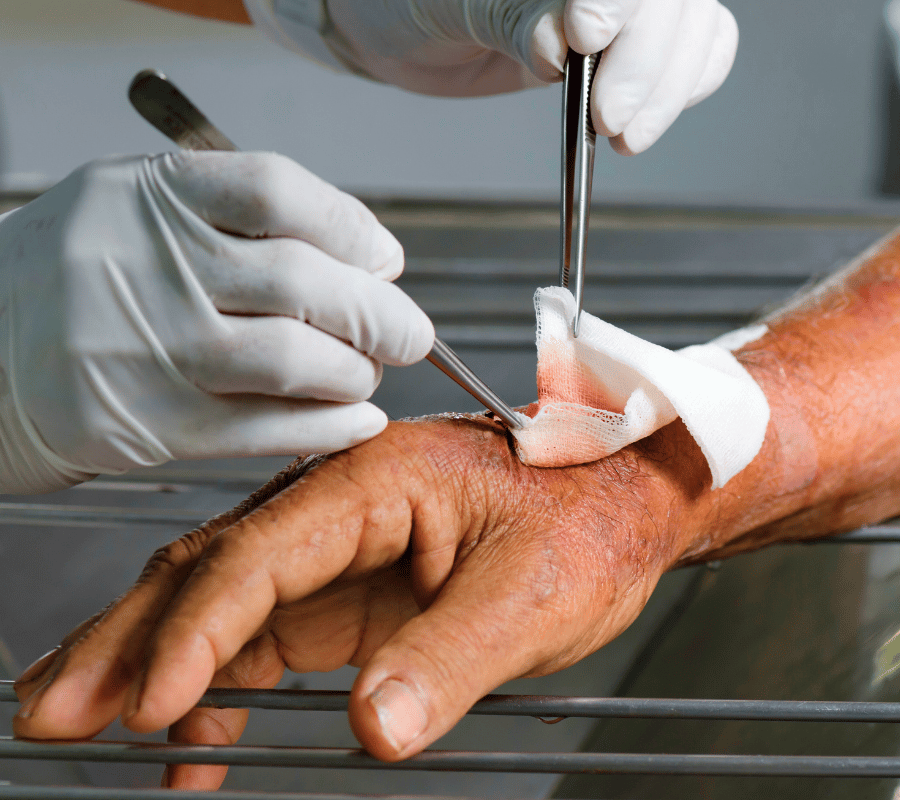
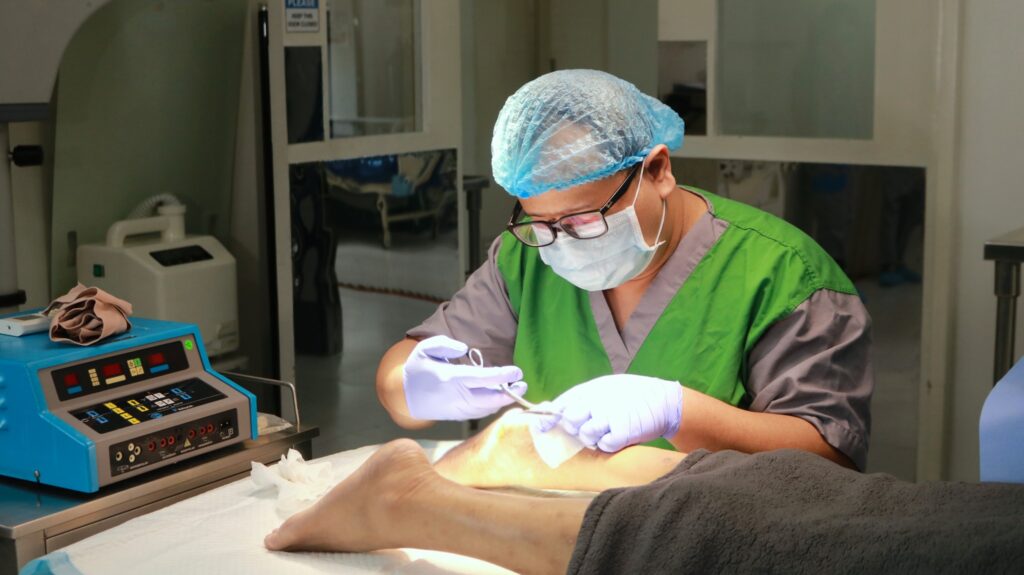
A bedsore doctor uses a variety of treatments tailored to the patient’s needs. One key procedure is debridement, which removes dead tissue that slows healing. A bedsore doctor may use manual, enzymatic, or advanced techniques depending on the wound’s condition. This step helps healthy tissue grow and reduces infection risk.
Modern dressings are also part of a bedsore doctor’s care plan. These may include hydrocolloid, alginate, foam, or antimicrobial dressings that support moisture balance and shield the wound from bacteria. A bedsore doctor selects the most suitable dressing based on the wound’s stage and drainage.
Negative pressure wound therapy is another advanced option provided by a bedsore doctor. This therapy uses controlled suction to improve blood flow, support tissue repair, and remove excess fluid. Patients with deep or slow-healing wounds benefit greatly from this method.
Pain management is another crucial aspect of care. A bedsore doctor ensures that patients remain comfortable by addressing swelling, infection, and tissue irritation. Infection control measures, such as topical medication or oral antibiotics, are provided when needed.
A bedsore doctor also supports patients with mobility guidance, pressure relief strategies, and nutrition advice to help the body repair damaged tissue. These combined treatments create a complete care plan that promotes faster and safer recovery.
When to Visit a Bedsore Doctor
Families should bring a patient to a bedsore doctor at the earliest sign of skin breakdown. Even small areas of discoloration, blisters, or tenderness may develop into deeper wounds if ignored. A bedsore doctor should also be consulted when a wound does not improve despite home care, begins to smell, changes color, or produces unusual discharge.
Patients who experience fever, swelling, or increased pain likely have an infection, and a bedsore doctor should be seen immediately. These symptoms can quickly escalate into serious medical problems.
Individuals who are immobile, elderly, diabetic, or recovering from surgery benefit greatly from early evaluation by a bedsore doctor. These patients often have reduced circulation or weaker immune responses, making them more vulnerable to rapid wound progression.
Seeking early help ensures that a bedsore doctor can prevent complications and support a smoother recovery.
How a Bedsore Doctor Helps Prevent Recurrence
A bedsore doctor not only treats existing pressure ulcers but also helps patients avoid future wounds. Prevention is a major part of the care plan because recurrence is common in individuals with limited mobility.
A bedsore doctor guides patients and caregivers on positioning techniques, pressure relief schedules, and skin inspection routines. Proper padding, supportive surfaces, and suitable footwear are also recommended to reduce strain on sensitive areas.
Nutrition guidance is another important component. A bedsore doctor explains how protein, vitamins, and proper hydration help the body repair tissue more efficiently. This is especially important for older adults or patients with chronic conditions.
Education for caregivers strengthens long-term results. A bedsore doctor teaches families how to monitor early warning signs, prevent friction, and maintain clean and dry skin. These strategies reduce the chances of new wounds forming.
By following the instructions of a bedsore doctor, patients maintain healthier skin, better mobility, and improved comfort.
Why Choosing the Right Bedsore Doctor Matters
Selecting an experienced bedsore doctor can significantly impact the healing process. A skilled bedsore doctor offers structured care, advanced techniques, and personalized treatment plans that improve outcomes.
A bedsore doctor with experience understands that each wound behaves differently. Their ability to adjust treatment, monitor progress, and react to changes helps patients avoid infections, hospitalizations, and long-term discomfort.
Patients also benefit from clinics that offer advanced wound services such as debridement, negative pressure therapy, diabetic ulcer care, and targeted infection control. A bedsore doctor with access to these resources ensures complete support throughout recovery.
Consistent follow-up is another key advantage. A bedsore doctor continues to track healing progress and provides ongoing guidance to keep the patient safe even after the wound has closed.
Bedsore Care Services Available at Advanced Wound Clinics
Many wound clinics provide structured services that complement the care of a bedsore doctor. These may include advanced wound assessment, various debridement procedures, negative pressure wound therapy, pressure ulcer management, and infection control.
Clinics that offer patient education programs also support long-term recovery by teaching proper self-care techniques. A bedsore doctor working with a complete care team creates an environment that promotes healing, comfort, and confidence for patients and families.
Frequently Asked Questions About Bedsore Doctors
What does a bedsore doctor do?
A bedsore doctor specializes in diagnosing, treating, and managing pressure ulcers. Their expertise helps patients recover safely and comfortably.
How soon should a patient visit a bedsore doctor?
A patient should see a bedsore doctor as soon as early signs of pressure damage appear, such as redness, tenderness, or skin breakdown.
Can pressure ulcers be treated at home without a bedsore doctor?
Home care alone is rarely effective. A bedsore doctor provides structured treatment that prevents worsening and reduces complications.
What treatments help a bedsore heal faster?
A bedsore doctor may use debridement, modern dressings, negative pressure therapy, and infection control to support faster recovery.
How can a caregiver support someone under the care of a bedsore doctor?
Caregivers can assist by monitoring skin condition, following repositioning schedules, maintaining hygiene, and ensuring proper nutrition.