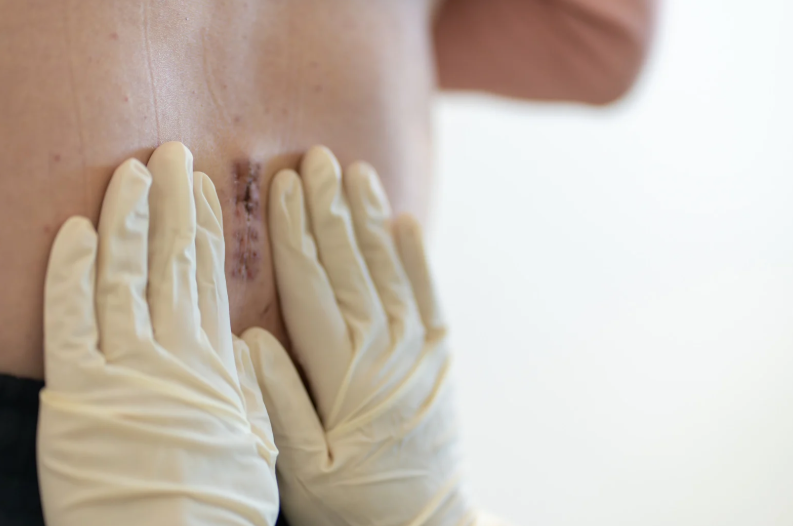
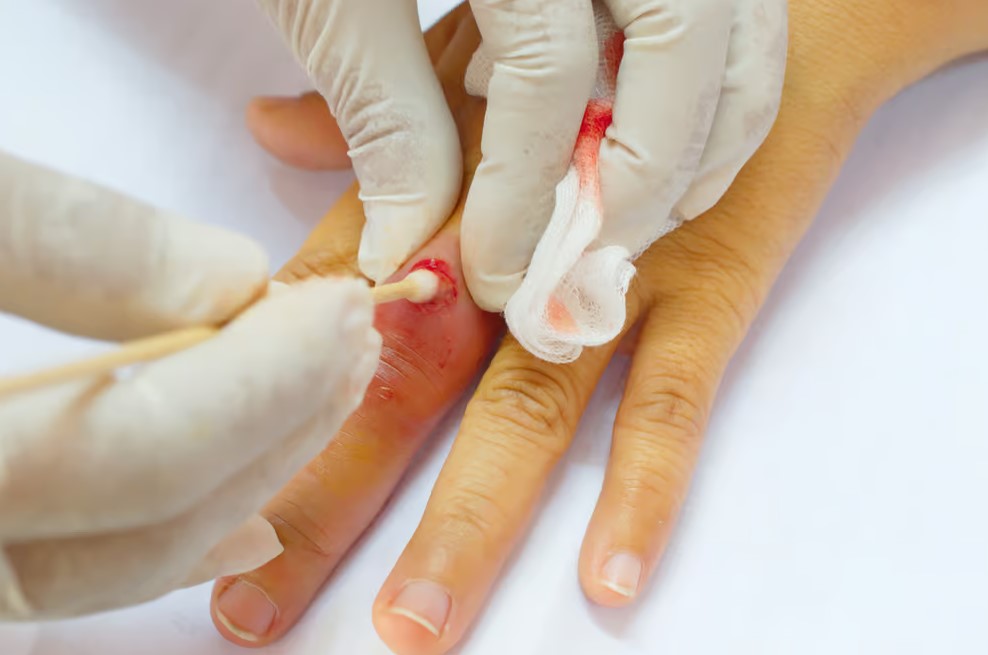
Abscesses are pockets of pus that form when the body fights off an infection. They are often painful, swollen, and filled with bacteria, dead tissue, and immune cells. Many people hope that abscesses will heal on their own, but without proper intervention, this rarely happens. Understanding why abscesses require professional treatment, especially Incision and Drainage, is crucial to prevent complications and ensure complete recovery. The Specialists Surgery & Cancer Center is the best facility to provide this service safely and effectively.
What Is an Abscess and How Does It Form?
An abscess is typically a result of bacterial infection, blocked glands, or minor injuries that allow bacteria to enter the tissue. The body responds by sending white blood cells to the affected area, creating pus. This accumulation of pus leads to swelling, redness, and intense pain. Skin abscesses, dental abscesses, and internal abscesses all form in a similar way, with the immune system attempting to isolate the infection.
When pus collects beneath the surface of the skin or in deeper tissues, it creates pressure that cannot resolve on its own. While some minor irritations or infections can heal naturally, true abscesses almost always require Incision and Drainage to remove the trapped pus and allow the surrounding tissue to heal properly.
Why Abscesses Rarely Heal Without Drainage
Pus Traps Infection Inside
The body walls off an abscess to contain the infection, but this creates a barrier that antibiotics alone cannot penetrate effectively. Without Incision and Drainage, the pus remains trapped, and bacteria continue to multiply. This makes it extremely difficult for the body to heal on its own and increases the risk of the infection worsening.
Pressure Build-Up Impedes Healing
The accumulation of pus creates internal pressure, causing swelling, tenderness, and severe pain. This pressure can also compromise blood flow to surrounding tissues, delaying healing. Some people attempt home remedies like warm compresses, but these do not remove the core of the infection. Only professional Incision and Drainage can safely relieve the pressure and allow healing to begin.
Risk of Infection Spreading
If an abscess is left untreated, the infection can spread to nearby tissues or even enter the bloodstream, leading to serious complications like cellulitis or sepsis. Proper Incision and Drainage controls the spread by removing the infected material and preventing bacteria from infiltrating other parts of the body.
How Proper Drainage Promotes Healing
Incision and Drainage Procedure
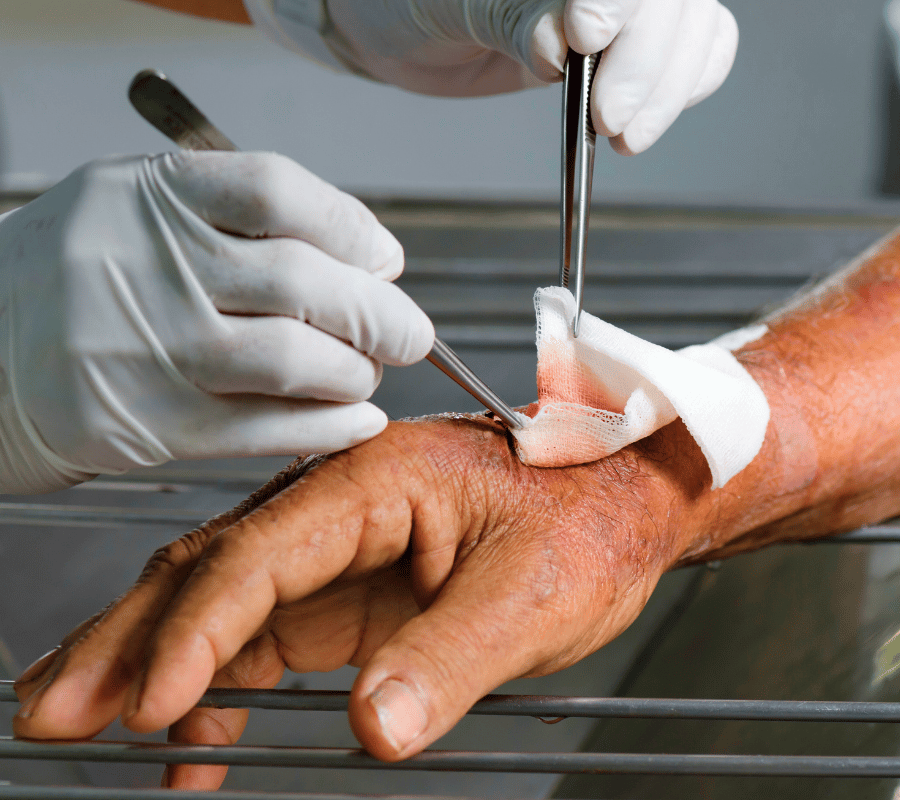
Incision and Drainage is a simple outpatient procedure performed under local anesthesia. A small cut is made in the abscess to allow the pus to escape, reducing pressure and pain immediately. The area is then cleaned and dressed to promote healing. This procedure ensures that the infection is physically removed, rather than simply suppressed, allowing the immune system and any necessary antibiotics to work more effectively.
Role of Antibiotics After Drainage
While antibiotics are sometimes prescribed after Incision and Drainage, they are not a replacement for the procedure. They help treat any remaining infection in surrounding tissues but cannot reach the pus-filled cavity effectively. Professional drainage ensures the antibiotics can work as intended and significantly shortens recovery time.
Healing Timeline Post-Drainage
Recovery after Incision and Drainage varies depending on the abscess size and location. Most patients experience a noticeable reduction in pain and swelling within a few days. Regular dressing changes, proper hygiene, and following the doctor’s instructions from The Specialists Surgery & Cancer Center ensure complete healing, often within one to two weeks.
Signs You Need Professional Drainage
It is important to seek professional help if an abscess shows any of the following signs: persistent swelling or redness, severe pain, fever, or rapidly enlarging abscess. Attempting to drain an abscess at home can lead to further infection or complications. Trusting professionals for Incision and Drainage guarantees safety and effective treatment.
Risks of Ignoring an Abscess
Ignoring an abscess can lead to chronic infection, permanent tissue damage, and scarring. The trapped bacteria may spread, causing systemic infection, which can be life-threatening. Prompt Incision and Drainage at The Specialists Surgery & Cancer Center prevents these risks, ensuring a safe recovery and minimizing long-term complications.
Takeaway
Abscesses rarely heal on their own, and attempting to treat them without professional care can be dangerous. Incision and Drainage is the most effective way to remove the infection, relieve pain, and promote complete healing. The Specialists Surgery & Cancer Center offers expert care and a safe, controlled environment for this procedure, making it the best choice for anyone dealing with an abscess.
FAQ
Can an abscess heal on its own?
Minor infections may resolve naturally, but true abscesses filled with pus almost never heal without professional Incision and Drainage.
What happens if I don’t drain an abscess?
Untreated abscesses can lead to severe pain, tissue damage, scarring, and potentially life-threatening infections like sepsis.
How long does it take to heal after Incision and Drainage?
Most abscesses show significant improvement within a few days, with full healing typically occurring within one to two weeks under proper care.
Is Incision and Drainage painful?
The procedure is performed under local anesthesia, so patients usually feel minimal discomfort during the procedure, with pain decreasing rapidly afterward.
Why choose The Specialists Surgery & Cancer Center for Incision and Drainage?
The facility provides expert, safe, and effective care for abscesses, ensuring complete drainage, proper infection control, and guidance throughout the healing process.