Understanding the Role of a Wound Care Doctor
A wound care doctor is a licensed medical professional with specialized expertise in diagnosing and treating wounds that are difficult to heal. Unlike general practitioners who manage a wide range of conditions, a wound care doctor focuses specifically on both acute and chronic wounds that require advanced medical attention. These specialists understand the complex biological processes involved in tissue repair and recognize when healing is delayed by underlying health conditions. Their role often extends beyond treating the visible wound and includes identifying systemic issues that interfere with recovery. Many wound care doctors work closely with multidisciplinary teams to ensure comprehensive patient care. They commonly practice in hospitals, wound care clinics, outpatient centers, and long-term care facilities. This focused medical approach significantly improves healing outcomes and reduces the risk of complications.
Medical Training and Qualifications of a Wound Care Doctor
Becoming a wound care doctor requires extensive medical education and specialized training. Most wound care doctors begin as physicians in fields such as internal medicine, surgery, family medicine, or podiatry before pursuing additional wound care certification. Advanced training programs focus on wound physiology, infection control, and modern wound treatment technologies. Board certifications and continuing education help ensure that a wound care doctor stays updated with evolving treatment standards. Clinical experience is essential because wound healing varies greatly from patient to patient. Exposure to complex cases allows these doctors to make informed decisions quickly and accurately. Their qualifications reflect a deep understanding of both medical science and patient-centered care.
Types of Wounds Treated by a Wound Care Doctor
A wound care doctor treats a wide variety of wounds, ranging from simple injuries to highly complex conditions. Acute wounds such as surgical incisions or traumatic injuries may require specialized monitoring to prevent infection. Chronic wounds are a major focus, especially those that persist for weeks or months without healing. Diabetic foot ulcers are commonly managed due to their high risk of infection and amputation. Pressure injuries often affect patients with limited mobility and require careful staging and treatment. Vascular ulcers caused by poor circulation are also frequently treated. Infected wounds, post-amputation wounds, and radiation-related skin damage all fall within the scope of care provided by a wound care doctor.
Why Specialized Wound Care Is Essential
Specialized wound care plays a critical role in preventing serious medical complications. When wounds are not treated properly, they can worsen and lead to infections, hospitalization, or surgical intervention. A wound care doctor uses evidence-based techniques to promote faster and safer healing. Chronic wounds can significantly impact mobility, independence, and overall quality of life if left untreated. Specialized care also helps reduce healthcare costs by preventing repeat hospital visits. Early intervention by a wound care doctor can mean the difference between recovery and long-term disability. This level of expertise ensures that patients receive targeted treatment rather than generalized care.
Diagnostic Approach Used by a Wound Care Doctor
Accurate diagnosis is one of the most important responsibilities of a wound care doctor. The evaluation process begins with a detailed medical history and physical examination. Doctors assess wound size, depth, tissue condition, drainage, and signs of infection. They also look for underlying factors such as diabetes, poor circulation, or immune disorders that may delay healing. Diagnostic tools like imaging studies and laboratory tests may be used when necessary. Vascular assessments help determine whether blood flow is sufficient for wound repair. This thorough diagnostic approach allows the wound care doctor to design an individualized treatment plan tailored to the patient’s needs.
Advanced Treatment Methods Used by a Wound Care Doctor
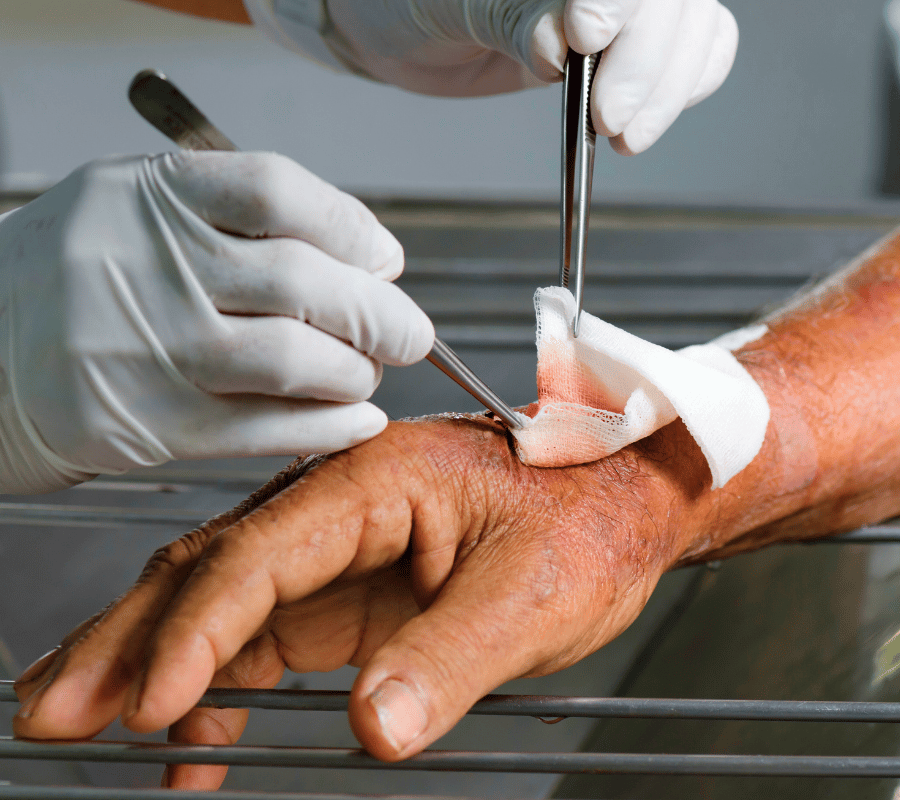
A wound care doctor uses advanced medical treatments that go beyond basic wound dressing. These therapies are selected based on wound type, severity, and patient health. Treatment methods are designed to stimulate healing, control infection, and protect surrounding tissue.
Common Advanced Wound Care Techniques
• Medical wound debridement to remove dead or infected tissue
• Advanced dressings that maintain optimal moisture levels
• Negative pressure wound therapy to promote tissue growth
• Hyperbaric oxygen therapy to improve oxygen delivery
• Antibiotic therapy for infected wounds
• Surgical intervention when conservative care is insufficient
Each of these treatments requires careful monitoring by a wound care doctor. Adjustments are made as the wound responds to therapy. This dynamic treatment process improves healing rates and reduces complications. Patients benefit from access to cutting-edge medical technology.
The Role of a Wound Care Doctor in Chronic Disease Management
Chronic diseases often play a major role in delayed wound healing. A wound care doctor addresses wounds related to diabetes, vascular disease, and autoimmune conditions. Managing blood sugar levels is essential for diabetic patients with non-healing wounds. Circulatory issues must be corrected to ensure adequate blood flow to the wound site. Wound care doctors often collaborate with endocrinologists, cardiologists, and vascular surgeons. Lifestyle factors such as nutrition, smoking, and mobility are also addressed. This integrated approach helps treat both the wound and the condition causing it.
How a Wound Care Doctor Supports Long-Term Healing
Long-term healing requires consistent monitoring and patient involvement. A wound care doctor tracks healing progress through regular follow-up visits. Treatment plans are adjusted when healing slows or complications arise. Education is a major component of long-term success, as patients learn how to care for their wounds at home. Preventing recurrence is a key goal, especially for chronic wound patients. Proper footwear, skin care, and lifestyle changes are often recommended. This ongoing support ensures sustained healing and improved quality of life.
When to See a Wound Care Doctor
Knowing when to seek specialized care can prevent serious outcomes. A wound that does not show improvement within two weeks should be evaluated by a wound care doctor. Signs such as increasing pain, redness, swelling, or drainage indicate possible infection. Foul odor or discoloration around the wound is another warning sign. Patients with diabetes or circulation problems should seek early intervention. Delaying care increases the risk of complications. Timely evaluation by a wound care doctor leads to better healing results.
Choosing the Right Wound Care Doctor
Selecting the right wound care doctor is an important decision. Patients should consider the doctor’s experience with similar wound types. Access to advanced treatment options and modern facilities is also essential. Continuity of care ensures that the same provider monitors progress over time. Insurance coverage and location convenience play a role in long-term treatment. Communication style and patient education are equally important. A skilled wound care doctor provides both medical expertise and compassionate care.
Frequently Asked Questions About a Wound Care Doctor
What does a wound care doctor do that is different from a general physician?
A wound care doctor specializes in advanced treatments and complex wound management that general physicians may not provide.
How long does wound treatment usually take?
Healing time varies depending on wound type, severity, and underlying health conditions, but specialized care often shortens recovery.
Do I need a referral to see a wound care doctor?
Some clinics require referrals, while others allow direct appointments depending on insurance policies.
Are wound care treatments painful?
Most treatments are designed to minimize discomfort, and pain management is a priority during care.
How often should wounds be evaluated?
Regular evaluations are scheduled based on healing progress, often weekly or biweekly.
Can a wound care doctor help prevent future wounds?
Yes, education and preventive strategies are key components of wound care treatment.
Takeaway
A wound care doctor provides specialized medical expertise that plays a vital role in healing complex and non-healing wounds. Through advanced diagnostics, targeted treatments, and long-term management strategies, these specialists address both the wound and the underlying conditions affecting recovery. Patients benefit from improved healing outcomes, reduced complications, and better quality of life. Seeking care from a qualified wound care doctor ensures that wounds receive the focused attention they require for safe and effective healing.