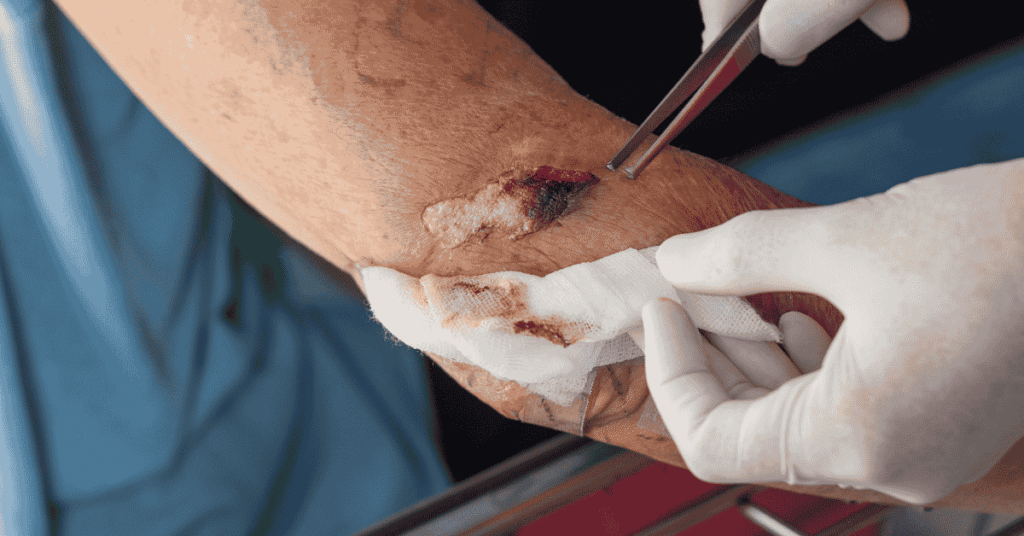
A slow-healing wound can affect comfort, mobility, sleep, work, and daily confidence. Small wounds may also become serious when diabetes, poor circulation, pressure, infection, or a weak immune system delays recovery. Proper assessment from a wound care specialist doctor can help identify the cause, protect healthy tissue, and guide each stage of treatment.
A wound care specialist doctor provides more than basic first aid or routine bandage changes. Care may include wound measurement, tissue assessment, infection checks, professional cleaning, special dressings, debridement, pressure relief, and regular progress reviews. Each plan depends on the wound type, location, depth, drainage, surrounding skin, medical history, and general health.
KALINGAP Wound Care Clinic serves patients who need compassionate and professional wound care within Quezon City. Its name comes from “Kalinga,” meaning care, and “Lingap,” meaning nurture. Those Filipino values guide the clinic’s focus on respectful communication, family participation, practical education, and careful treatment.
What Is a Wound Care Specialist Doctor?
A wound care specialist doctor is a medical professional who evaluates, treats, and monitors wounds that may not heal properly through ordinary home care. These wounds may result from diabetes, surgery, trauma, prolonged pressure, poor blood flow, infection, or other health concerns.
During an assessment, the wound care specialist doctor examines wound size, depth, colour, tissue condition, drainage, odour, pain level, and nearby skin. The doctor may also review blood sugar control, circulation, nutrition, mobility, medications, and previous treatments. These factors often affect how quickly tissue repairs itself.
Specialised care matters because a wound may look simple from the surface while deeper tissue damage continues below. Early medical evaluation may help prevent worsening pain, spreading infection, tissue death, or loss of function. A wound care specialist doctor also documents changes over time, allowing the treatment plan to be adjusted based on actual healing progress.
When Should You Consult a Wound Care Specialist Doctor?
Some minor cuts or scrapes improve with proper cleaning and protection. Other wounds need medical attention, especially when healing remains slow or symptoms become worse.
Consult a wound care specialist doctor when a wound shows increasing redness, swelling, warmth, pain, pus, bad odour, dark tissue, repeated bleeding, or heavy drainage. Fever, chills, weakness, or red streaks near the wound may also signal a serious problem that needs prompt medical review.
Medical assessment should not be delayed when the patient has diabetes, poor circulation, venous disease, reduced sensation, limited mobility, kidney disease, or a weakened immune response. These conditions can make wound problems harder to notice and harder to treat.
A wound that remains open, becomes larger, or shows little improvement after several days deserves professional evaluation. Patients with recurring wounds should also consult a wound care specialist doctor to identify pressure, blood flow, infection, or lifestyle factors linked to repeated tissue damage.
Types of Wounds Managed by a Wound Care Specialist Doctor
Different wound types require different methods of care. Proper classification helps the wound care specialist doctor choose suitable dressings, cleaning methods, pressure control measures, and follow-up schedules.
Diabetic Foot Ulcers
Diabetic foot ulcers often develop because reduced sensation makes cuts, blisters, or pressure points difficult to feel. Poor blood flow may also slow repair, while high blood sugar can raise infection risk.
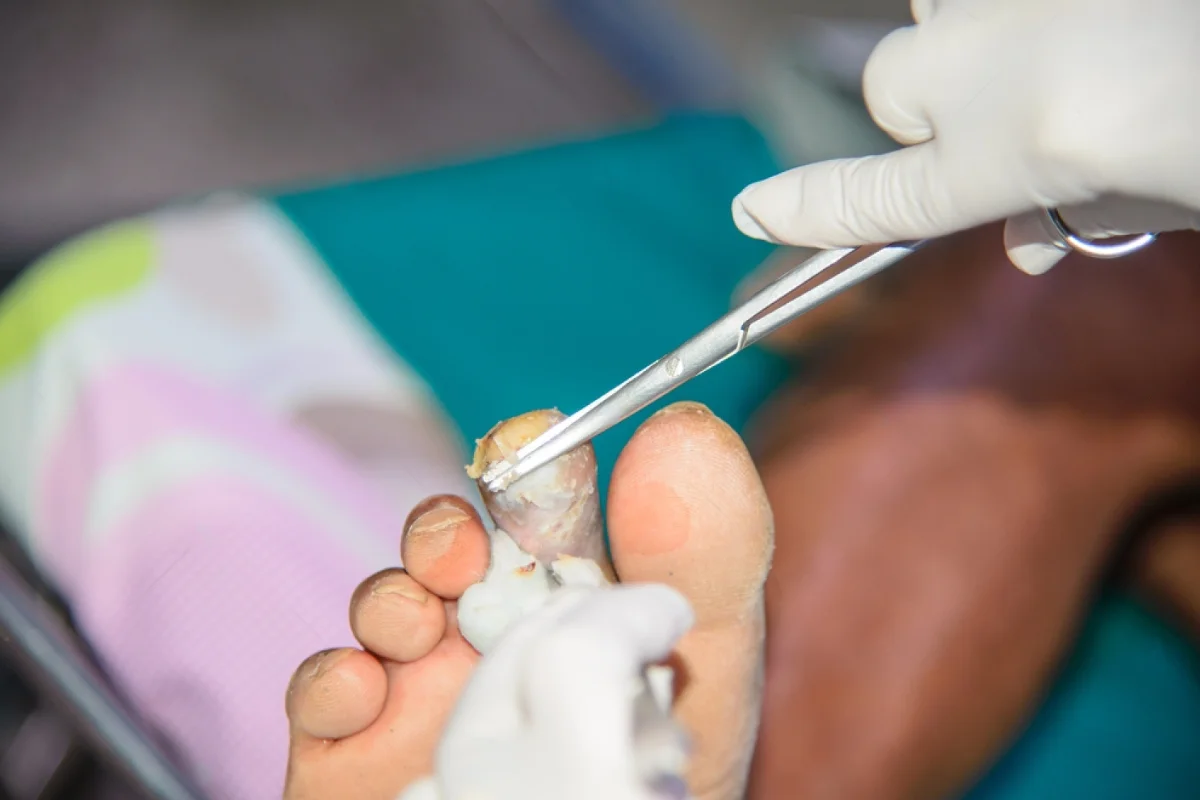
A wound care specialist doctor checks wound depth, surrounding skin, drainage, pressure areas, and signs of infection. Care may include cleaning, debridement, special dressings, pressure relief, footwear advice, and blood sugar management with the patient’s broader healthcare team.
Diabetic foot wounds should never be ignored. Early care may help prevent deeper infection, tissue damage, or more serious complications.
Pressure Injuries
Pressure injuries may appear when one body area remains under pressure for long periods. People with limited mobility, paralysis, serious illness, or prolonged bed rest face greater risk.
Treatment may involve wound protection, repositioning, support surfaces, nutrition guidance, moisture control, and pressure relief. A wound care specialist doctor also checks whether damage extends below the visible skin.
Venous Leg Ulcers
Venous leg ulcers often affect the lower leg and may occur with swelling, skin discolouration, aching, or poor blood return. These wounds can recur when the underlying circulation problem remains unaddressed.
A wound care specialist doctor may recommend wound dressings, swelling control, skin care, activity guidance, and medical evaluation for circulation concerns. Each patient needs an individual plan based on wound status and overall health.
Surgical Wounds
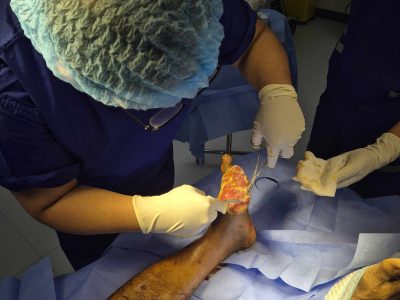
Most surgical wounds heal according to the expected schedule. Some may reopen, drain heavily, become infected, or heal slowly. A wound care specialist doctor can assess the tissue, identify possible complications, and recommend suitable treatment.
Traumatic and Open Wounds
Cuts, punctures, abrasions, crush injuries, and other traumatic wounds may carry dirt, bacteria, or damaged tissue. Professional cleaning and careful examination help determine whether deeper structures are affected.
Chronic and Non-Healing Wounds
A chronic wound shows limited healing progress despite routine care. Diabetes, infection, pressure, poor blood supply, swelling, nutrition problems, repeated friction, or certain medicines may delay recovery. A wound care specialist doctor looks beyond the wound surface to address these barriers.
What Happens During a Wound Care Consultation?
A wound care visit usually begins with a review of the patient’s medical history. The wound care specialist doctor may ask when the wound started, how it happened, what products were applied, whether pain has changed, and whether drainage or odour has appeared.
The patient may also be asked about diabetes, circulation problems, allergies, medications, past surgery, mobility, smoking, nutrition, and previous wound treatments.
Next comes a detailed wound examination. The wound care specialist doctor measures length, width, and depth, checks tissue colour, reviews wound edges, assesses drainage, and examines the nearby skin. Signs of infection, pressure, swelling, or dead tissue receive careful attention.
After assessment, the doctor explains the findings and recommends a treatment plan. The plan may include professional cleaning, debridement, dressing selection, infection management, pressure relief, home care steps, and follow-up visits.
Clear communication matters throughout this process. Patients and family members should understand how to protect the wound, when to change dressings, what symptoms require urgent attention, and what activities may affect healing.
Treatments a Wound Care Specialist Doctor May Recommend
Treatment choices depend on wound cause, severity, location, drainage, tissue condition, infection risk, and the patient’s health. No single method suits every wound.
Professional Wound Cleaning
Wound cleaning removes debris, dried drainage, surface contaminants, and material that may interfere with proper assessment. The wound care specialist doctor selects a suitable method based on tissue sensitivity and wound condition.
Harsh chemicals or unverified home remedies may irritate tissue. Patients should follow medical guidance rather than applying random products.
Wound Debridement
Debridement removes dead, damaged, or unhealthy tissue that may delay healing or support bacterial growth. Several methods may be considered depending on wound type and patient needs.
KALINGAP Wound Care Clinic may provide ultrasonic debridement after proper assessment. This technology may help remove unhealthy tissue while supporting precise wound care. Suitability depends on the patient’s condition and the doctor’s clinical judgment.
Specialised Wound Dressings
Dressings do more than cover a wound. They may control moisture, absorb drainage, protect tissue, reduce friction, and create conditions that support repair.
A wound care specialist doctor selects dressings according to wound depth, drainage level, infection risk, and healing stage. Dressing choice may change as the wound improves.
Negative Pressure Wound Therapy
Negative pressure wound therapy uses controlled suction through a sealed dressing. This method may help manage drainage, protect the wound, and support tissue development for selected patients.
KALINGAP offers access to negative pressure wound therapy based on professional assessment. A wound care specialist doctor determines whether this option suits the wound and the patient’s medical status.
Infection Control
Possible wound infection needs prompt attention. Care may include cleaning, close monitoring, medical testing, topical treatment, or prescription medicines when appropriate.
Patients should not take leftover antibiotics or copy another person’s treatment. A wound care specialist doctor must assess the wound and recommend proper care.
Pressure Relief and Positioning
Pressure can delay healing, especially for diabetic foot ulcers and pressure injuries. Offloading devices, footwear changes, repositioning schedules, cushions, or mobility adjustments may be recommended.
A wound care specialist doctor works with the patient and family to reduce repeated stress on the affected area.
Why Chronic Wounds Need More Than Bandage Changes
Changing a bandage may protect the wound, but it does not always address the reason healing remains slow. A chronic wound may continue because of high blood sugar, poor circulation, swelling, infection, pressure, friction, low nutrition, or repeated trauma.
A wound care specialist doctor reviews these concerns as part of the treatment plan. The doctor may coordinate with other healthcare professionals when blood sugar control, circulation assessment, nutrition care, or mobility support requires added attention.
Regular reassessment also matters. Wound size, drainage, tissue colour, pain, and skin condition may change from one visit to the next. Treatment should respond to these changes rather than remain fixed.
Home remedies may delay proper care, especially when they cause irritation, trap bacteria, or hide worsening symptoms. Professional guidance helps patients avoid harmful practices and focus on safer steps.
The Role of Patient and Family Education
Wound care continues beyond the clinic visit. Patients and family members need clear instructions for daily protection and monitoring.
A wound care specialist doctor may teach proper hand washing, dressing care, skin checks, pressure relief, safe movement, nutrition support, and warning signs. Families may help patients who have poor eyesight, limited movement, memory concerns, or reduced sensation.
KALINGAP values family and community involvement as part of Filipino care. The clinic aims to make medical instructions easier to understand so patients feel supported rather than overwhelmed.
Education also helps reduce repeated wounds. A person with diabetes may need daily foot checks, suitable footwear, moisture control, and prompt attention for blisters or cuts. A person with limited mobility may need regular repositioning and skin checks over pressure points.
Knowledge gives patients a clearer role during recovery. Each small action, from protecting the wound to attending follow-up visits, can affect progress.
Benefits of Choosing a Wound Care Specialist Doctor Early
Early consultation can help identify problems before they become harder to manage. A wound care specialist doctor may detect infection, tissue damage, pressure, poor circulation, or wound depth that may not be obvious during home care.
Professional care also supports proper dressing selection. A dry wound, heavily draining wound, infected wound, and deep wound may require very different products and follow-up plans.
Early treatment may reduce pain, protect nearby skin, prevent wound growth, and support safer healing. Patients also receive clear instructions rather than relying on guesswork.
For people with diabetes or reduced sensation, early assessment holds special value. A small foot injury may worsen without causing strong pain. Routine checks and prompt consultation may help prevent serious complications.
Why Choose KALINGAP Wound Care Clinic?
KALINGAP Wound Care Clinic seeks to become a trusted referral centre for wound care across Quezon City. Its approach combines compassionate Filipino care, evidence-based practice, ethical treatment, modern technology, and patient education.
Compassionate Filipino Care
The clinic’s name reflects care and nurture. Patients receive respectful attention, clear explanations, emotional reassurance, and family-focused guidance.
A wound care specialist doctor at KALINGAP considers both the physical wound and the patient’s daily challenges. Pain, fear, mobility limits, financial concerns, and caregiver responsibilities may all affect treatment.
Modern Wound Care Options
KALINGAP provides access to services such as ultrasonic debridement and negative pressure wound therapy when clinically suitable. These options form part of a broader care plan that may also include wound cleaning, special dressings, infection checks, and regular monitoring.
Care Beyond the Wound
Successful treatment often requires attention to diabetes, circulation, pressure, nutrition, hygiene, and mobility. A wound care specialist doctor reviews these concerns and helps patients understand how they affect recovery.
KALINGAP also places strong value on preventive education. Patients learn how to protect healing tissue and reduce the chance of another wound.
Commitment to Quezon City Communities
Many people delay healthcare because of cost concerns. KALINGAP seeks practical ways to improve access through outreach work, community partnerships, and affordability strategies.
This community focus supports the clinic’s goal of providing professional wound care that remains compassionate, practical, and locally relevant.
How to Prepare for Your Wound Care Appointment
Bring a list of medicines, allergies, health conditions, and previous treatments. Medical records, laboratory results, or discharge instructions may also help the wound care specialist doctor understand the case.
Write down when the wound began, how it happened, and what changes you noticed. Note pain, drainage, odour, swelling, fever, or skin discolouration.
Wear clothing that allows easy access to the wound. Keep prescribed dressings secure unless the clinic gives different instructions.
Prepare questions about cleaning, bathing, dressing changes, work, walking, exercise, food, medicines, and follow-up visits. Clear questions help patients understand what to do at home.
Common Wound Care Mistakes to Avoid
Applying unknown herbal products, powders, strong chemicals, or household substances may damage healthy tissue. Reusing old dressings may also expose the wound to bacteria.
Touching the wound without clean hands raises contamination risk. Walking on a diabetic foot ulcer without pressure relief may cause deeper damage. Missing follow-up visits may allow infection or tissue problems to progress unnoticed.
Another common mistake involves stopping treatment once pain decreases. Reduced pain does not always mean the wound has healed. A wound care specialist doctor should confirm progress through direct assessment.
Patients should also avoid self-prescribing antibiotics. Incorrect use may fail to treat the real problem and may contribute to medicine resistance.
Supporting Better Healing at Home
Follow the dressing schedule provided by the wound care specialist doctor. Keep supplies clean, dry, and properly stored. Protect the wound from dirt, water exposure, friction, pressure, and accidental injury.
Take prescribed medicines correctly and follow medical advice for diabetes, blood pressure, circulation, or other health concerns.
Balanced meals with enough protein, vitamins, minerals, and fluids may support tissue repair. Smoking should be avoided because it can reduce blood flow and delay healing.
Attend follow-up appointments even when the wound appears better. Report sudden pain, fever, bad odour, heavy drainage, dark tissue, swelling, or spreading redness without delay.
Consult a Wound Care Specialist Doctor at KALINGAP
Chronic, diabetic, infected, surgical, and slow-healing wounds deserve careful medical attention. Early assessment may help protect tissue, reduce complications, and guide safer treatment.
KALINGAP Wound Care Clinic offers compassionate wound care for patients across Quezon City. Its services combine professional assessment, patient education, family support, modern treatment options, and community-centred care.
A wound care specialist doctor can evaluate the wound, identify healing barriers, recommend suitable treatment, and monitor recovery over time. Patients should seek medical help when a wound becomes painful, swollen, infected, deeper, larger, or slow to heal.
Frequently Asked Questions About a Wound Care Specialist Doctor
What does a wound care specialist doctor do?
A wound care specialist doctor assesses wound type, depth, tissue condition, drainage, nearby skin, infection risk, and health factors that may delay healing. Care may include cleaning, debridement, special dressings, pressure relief, infection management, education, and follow-up reviews.
When should a wound be checked by a doctor?
Seek medical care when a wound shows increasing pain, redness, warmth, swelling, pus, bad odour, dark tissue, fever, repeated bleeding, heavy drainage, or little healing progress. Patients with diabetes, poor circulation, reduced sensation, or weak immunity should seek care early.
Can a wound care specialist doctor treat diabetic foot ulcers?
Yes. A wound care specialist doctor may assess diabetic foot ulcers, remove unhealthy tissue, choose suitable dressings, check for infection, recommend pressure relief, and monitor progress. Blood sugar control and daily foot care also play key roles.
What is ultrasonic debridement?
Ultrasonic debridement uses controlled ultrasonic energy to help remove unhealthy tissue from selected wounds. KALINGAP may offer this treatment after a wound care specialist doctor confirms that it suits the patient’s condition.
What is negative pressure wound therapy?
Negative pressure wound therapy applies controlled suction through a sealed dressing. It may help manage drainage, protect the wound, and support tissue development for suitable patients. A wound care specialist doctor decides whether this method fits the wound.
How often should a wound dressing be changed?
Dressing frequency depends on wound type, drainage, infection risk, dressing material, and the treatment plan. Patients should follow instructions from their wound care specialist doctor rather than changing the schedule without medical advice.
Can chronic wounds heal?
Many chronic wounds may improve with proper assessment, suitable treatment, pressure control, infection management, health condition management, nutrition support, and regular follow-up. Healing time differs for every patient.
Where can I find a wound care specialist doctor near Quezon City?
KALINGAP Wound Care Clinic provides compassionate and professional wound care for patients across Quezon City. The clinic supports people with diabetic, chronic, complex, surgical, and slow-healing wounds through careful assessment, modern treatment options, education, and continued monitoring.