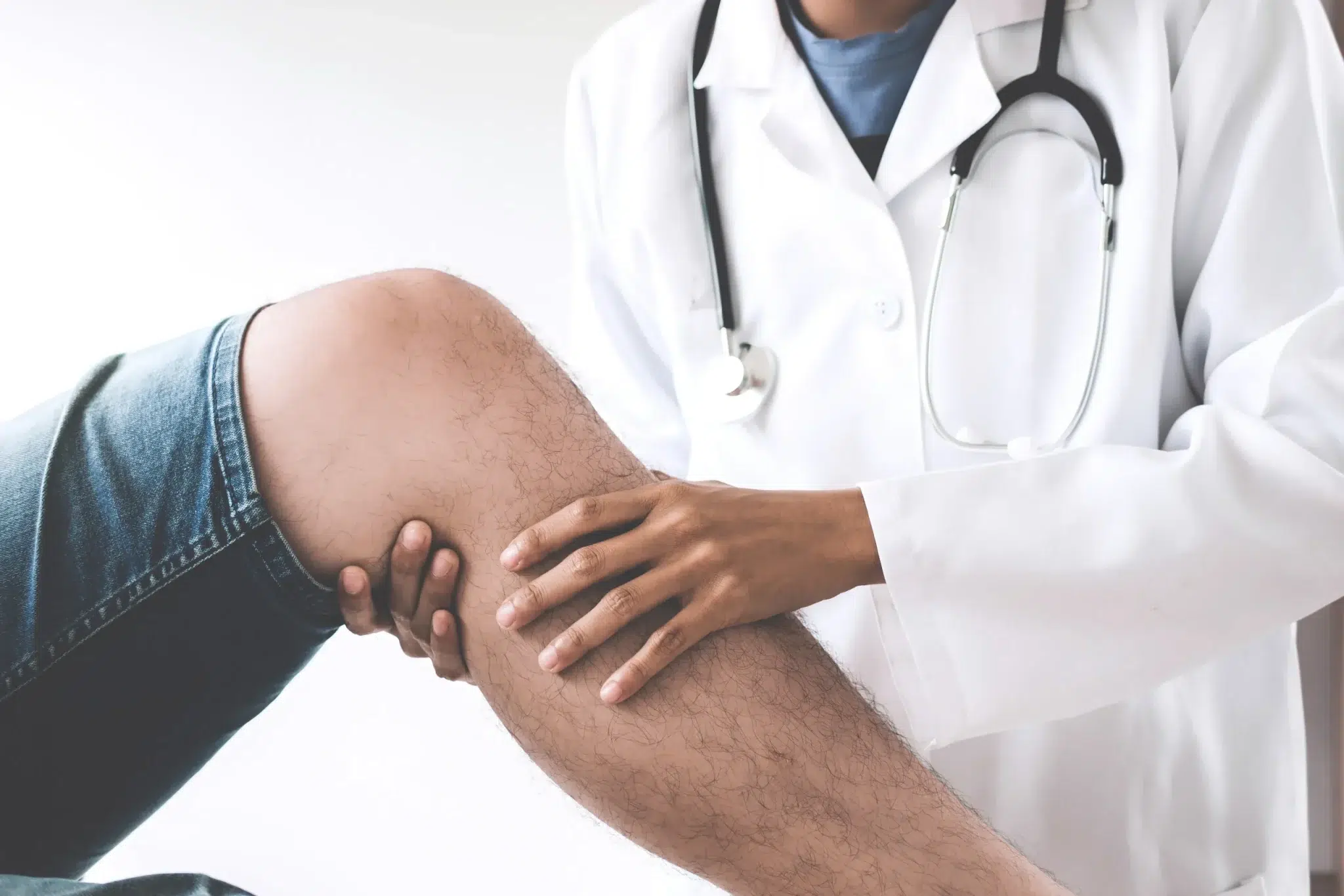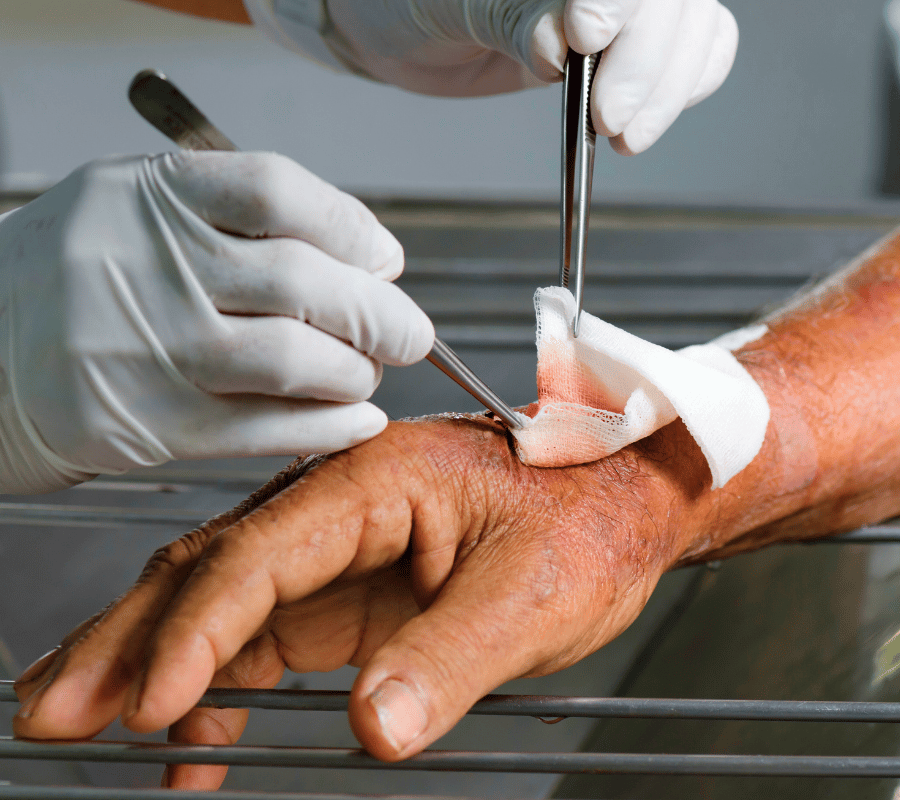
Chronic wounds can become a major source of discomfort, infection, and mobility challenges for many individuals. Patients with diabetic ulcers, pressure sores, post-surgical wounds, or slow-healing injuries require specialized attention that goes beyond general medical care. A wound physician provides targeted treatment plans designed to accelerate healing, prevent complications, and support overall recovery. Choosing the right wound physician can make the difference between prolonged suffering and safe, effective wound management.
Kalingap Wound Care Clinic in Quezon City, Metro Manila, is committed to providing accessible, advanced wound care solutions under the guidance of highly trained wound physicians. Every patient receives personalized treatment with a focus on both medical expertise and compassionate care.
Meet the Wound Physician
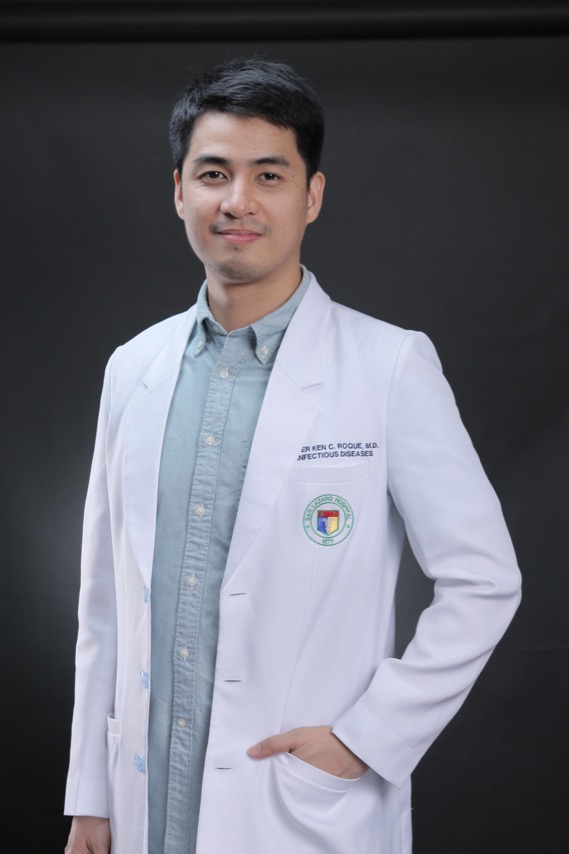
A skilled wound physician combines clinical knowledge, surgical expertise, and experience in managing chronic wounds to deliver precise and effective care. Dr. Lou Mervyn Tec, for example, is a board-certified wound physician and orthopedic surgeon with extensive international training in Japan and Australia. His advanced techniques, including ultrasonic-assisted debridement and negative pressure wound therapy, bring modern wound care directly to Filipino patients.
Patients benefit from a wound physician who approaches treatment holistically. Beyond addressing the physical wound, a competent wound physician considers the patient’s overall health, lifestyle, and emotional needs. The relationship between patient and physician is central to recovery, as attentive communication and consistent monitoring improve healing outcomes and reduce the risk of complications.
Why Consult a Wound Physician?
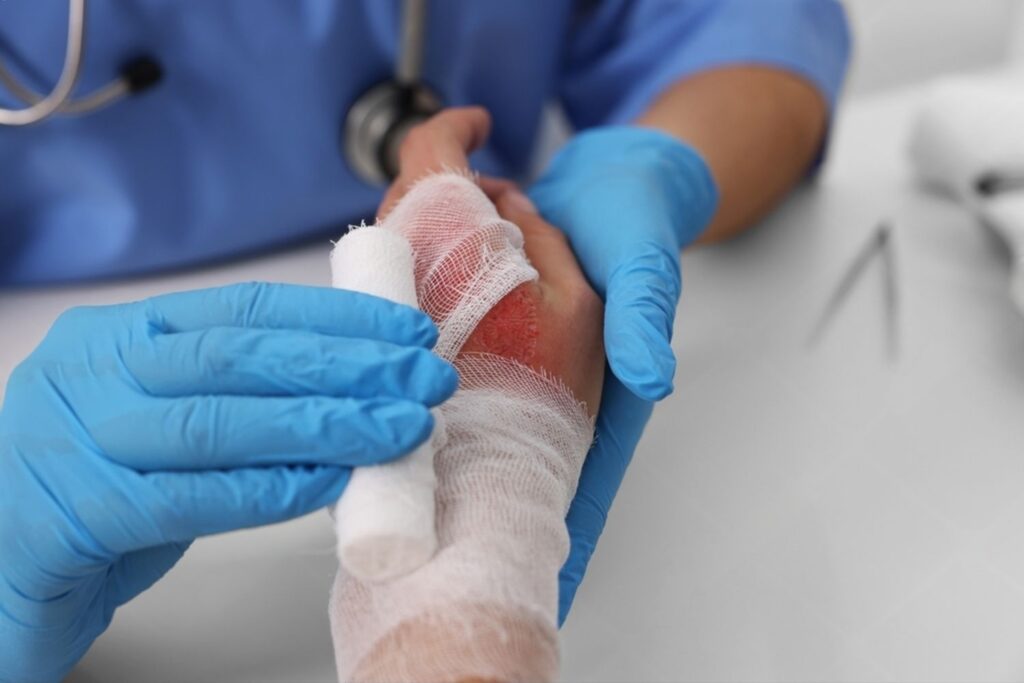
Chronic or complex wounds do not respond well to basic medical care alone. A wound physician specializes in conditions that require precise interventions, early infection management, and ongoing evaluation. Common wounds treated by a wound physician include:
- Diabetic ulcers – Chronic ulcers that develop due to nerve damage or poor blood flow in diabetic patients.
- Pressure sores – Injuries caused by prolonged pressure, particularly in bedridden patients.
- Post-surgical wounds – Surgical sites that are slow to heal or prone to infection.
- Venous ulcers – Wounds caused by poor circulation in the legs, leading to prolonged tissue breakdown.
- Infected injuries or chronic skin wounds – Wounds that do not respond to standard care and require advanced interventions.
Consulting a wound physician early helps prevent further complications, including infection, tissue loss, and in severe cases, amputation. A wound physician develops a treatment plan that addresses both the immediate wound and long-term recovery needs, ensuring better patient outcomes.
Advanced Wound Care Treatments
Modern wound care relies on techniques that promote healing while minimizing pain and infection risk. A wound physician provides advanced treatment options tailored to each patient’s condition:
- Ultrasonic-assisted debridement – This technique removes nonviable tissue without damaging surrounding healthy tissue. It supports faster healing and reduces infection risk.
- Negative Pressure Wound Therapy (NPWT) – NPWT improves blood flow, accelerates wound closure, and reduces swelling in chronic or difficult-to-heal wounds.
- Customized wound dressings and protocols – Each patient receives dressings designed for their wound type, size, and severity, ensuring optimal healing conditions.
- Infection control and recovery support – Timely interventions, including antibiotics and wound monitoring, help prevent infections from worsening.
- Telehealth consultations – Patients unable to visit the clinic regularly can receive guidance and monitoring from a wound physician through online consultations, ensuring continuous care.
These treatments are not only technically effective but also enhance patient comfort and improve the quality of life during recovery. A wound physician designs each treatment plan with the patient’s individual needs in mind.
Patient-Centered Approach
A wound physician provides care that respects patients’ dignity, cultural values, and emotional needs. At Kalingap Wound Care Clinic, the approach is guided by Filipino principles of kalinga (care) and lingap (nurture). Patients receive empathetic guidance from the first consultation through the entire healing process.
Patient-centered care includes:
- Personalized treatment plans – Every patient’s care is adapted to their specific wound type, health conditions, and lifestyle.
- Education on wound prevention – Patients learn practical ways to care for wounds at home, including proper hygiene, dressing techniques, and lifestyle adjustments to prevent recurrence.
- Emotional support – Chronic wounds can be distressing. A wound physician provides reassurance, guidance, and regular check-ins to boost patient confidence.
- Family involvement – Families are educated on care techniques, enabling them to support the patient effectively.
By combining medical expertise with personalized attention, a wound physician ensures patients receive both technical treatment and human-centered care.
Affordable and Accessible Wound Care
Healthcare accessibility is a critical factor for effective wound management. Kalingap Wound Care Clinic offers pricing packages suitable for low-income, middle-class, and higher-income patients. Residents across Quezon City and Metro Manila can access high-quality care without financial strain.
Affordable access to a wound physician is not just about cost—it is about improving outcomes and reducing complications. Early consultations, consistent monitoring, and timely interventions prevent minor wounds from becoming severe, reducing the need for hospitalization or more invasive procedures. Patients benefit from expert care while avoiding the long-term costs associated with untreated chronic wounds.
Comprehensive Wound Management Services
A wound physician provides a wide range of services designed to manage, heal, and prevent complex wounds. Key services include:
- Advanced Wound Debridement – Removing dead tissue safely to promote faster healing.
- Diabetic Ulcer Care – Monitoring, infection control, and preventive measures to reduce the risk of amputation.
- Pressure Injury Treatment – Tailored care plans for bedridden patients to treat and prevent bedsores.
- Negative Pressure Wound Therapy – Accelerates healing in chronic or complex wounds by improving circulation.
- Venous Ulcer Management – Specialized care for wounds caused by poor blood flow in the legs.
- Infection Control – Early intervention, medication management, and monitoring to prevent infection escalation.
- Post-Surgical Wound Support – Ongoing care for surgical wounds to reduce scarring and prevent complications.
- Chronic Wound Management – Long-term monitoring and adjustments to treatment plans to ensure continuous healing progress.
- Telehealth Follow-Up – Remote consultation options for patients who cannot visit the clinic frequently.
Each service is delivered under the guidance of a wound physician, ensuring medical precision and patient safety.
Why Patients Trust a Wound Physician
Patients choose a wound physician for the combination of technical skill, personalized care, and consistent monitoring. A competent wound physician is known for:
- Clear communication – Explaining treatments, answering questions, and guiding patients through every step of recovery.
- Customized care – Designing treatment plans that match the patient’s wound type, health status, and lifestyle.
- Compassionate attention – Supporting patients emotionally and practically throughout the healing process.
- Accessible follow-up – Offering remote consultations and regular check-ins to maintain progress.
Families also value a wound physician’s ability to provide care that is affordable, professional, and empathetic, creating a supportive environment for healing.
Takeaway
A wound physician plays a vital role in managing chronic, complex, and slow-healing wounds. Patients benefit from advanced treatments, personalized care, and guidance on preventing recurrence. With access to compassionate and skilled wound physicians, residents in Quezon City and Metro Manila can experience faster recovery, reduced complications, and improved quality of life.
Booking an appointment with a wound physician ensures professional, attentive care that addresses both medical and personal needs, providing a safe path to healing.
FAQ: Wound Physician
What is a wound physician?
A wound physician is a medical specialist trained to manage chronic, complex, or slow-healing wounds. They use advanced techniques and personalized care plans to improve healing outcomes.
How is a wound physician different from a general doctor?
Unlike general practitioners, a wound physician specializes in wound management, infection prevention, and advanced therapies such as NPWT and ultrasonic debridement.
When should I see a wound physician?
Patients should consult a wound physician for wounds that do not heal within a few weeks, diabetic ulcers, pressure sores, post-surgical wounds, or wounds showing signs of infection.
Are advanced therapies like NPWT safe?
Yes, when administered by a trained wound physician, NPWT and other modern treatments are safe and highly effective in promoting healing.
Can I manage my wound at home?
A wound physician provides guidance on home care, including proper dressing techniques, hygiene, and preventive measures, ensuring safe management between clinic visits.
Is wound care expensive?
Many clinics, including Kalingap Wound Care Clinic, offer packages that are affordable for low-income, middle-class, and high-income patients, making wound care accessible to a wide population.
Can children or elderly patients see a wound physician?
Yes, wound physicians provide care for patients of all ages, tailoring treatments to suit each individual’s needs.