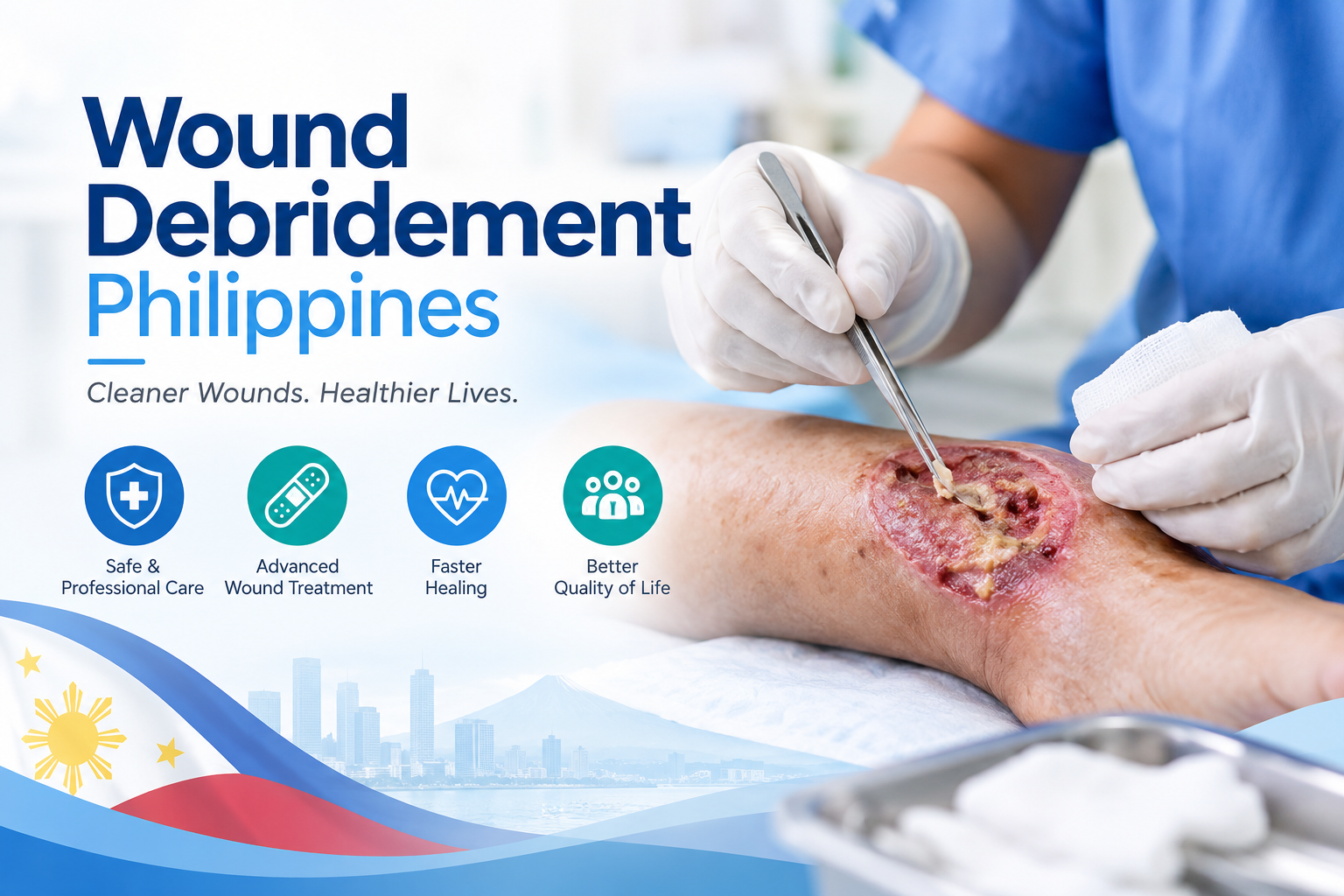
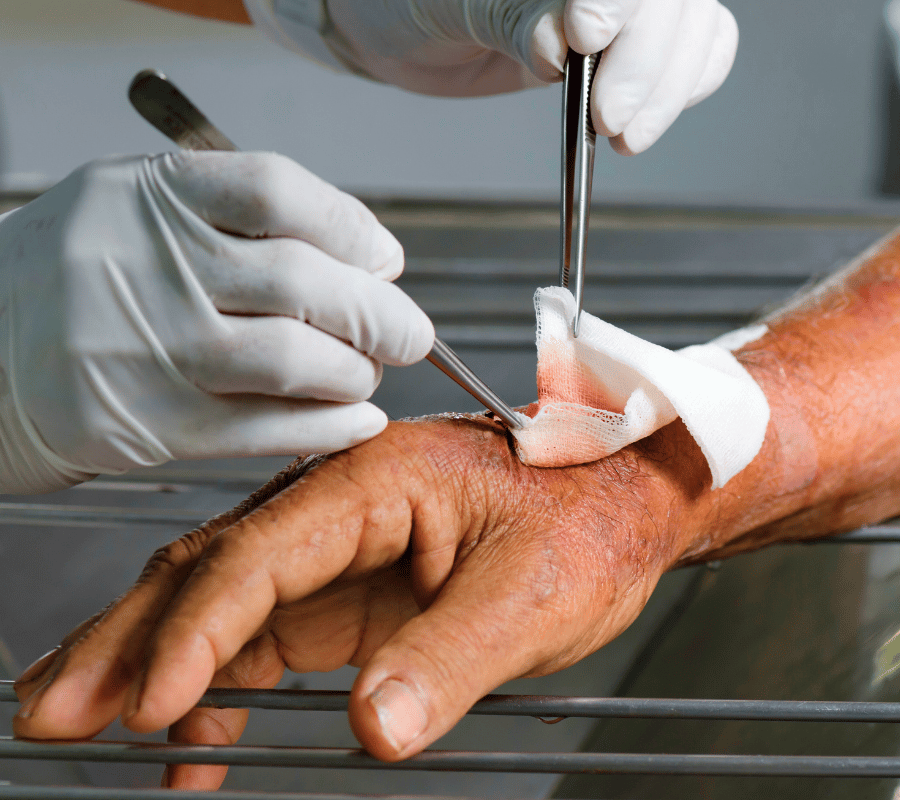
Elderly and bedridden patients often face unique challenges when it comes to wound healing. Reduced mobility, fragile skin, poor circulation, and underlying health conditions can make even minor wounds become serious concerns. For families and caregivers, finding the right Wound treatment center is an important step toward preventing complications and helping patients recover safely.
A specialized Wound treatment center provides professional assessment, advanced wound management, and personalized care plans designed for patients with difficult-to-heal wounds. Instead of relying only on basic wound dressing, these centers focus on identifying the cause of the wound, controlling infection risks, and supporting the body’s natural healing process.
For elderly and bedridden patients who require expert wound care, Kalingap Wound Care Clinic is a trusted option for comprehensive wound management. The clinic specializes in treating complex wounds, including pressure injuries, diabetic wounds, surgical wounds, and other chronic wounds that require specialized attention.
Why Elderly and Bedridden Patients Are More Vulnerable to Wounds
As people age, the skin becomes thinner and less resilient. The body’s ability to repair damaged tissue may also slow down, making wounds take longer to heal. These changes increase the risk of developing chronic wounds that require care from a professional Wound treatment center.
Bedridden patients are especially vulnerable because they spend extended periods in one position. Constant pressure on certain areas of the body can reduce blood flow and cause skin breakdown. Common areas affected include the:
- Tailbone and lower back
- Hips
- Heels
- Ankles
- Elbows
These injuries are commonly known as pressure ulcers or bed sores. Without proper treatment, pressure wounds can become deeper, infected, and more difficult to manage.
Common Types of Wounds Treated at a Wound Treatment Center
A professional Wound treatment center manages different types of wounds that may not heal properly with standard home care alone.
Pressure Ulcers and Bed Sores
Pressure ulcers are among the most common wounds affecting elderly and bedridden patients. They develop when continuous pressure limits blood circulation to the skin and underlying tissues.
Treatment often involves:
- Proper wound assessment
- Pressure relief strategies
- Specialized wound dressings
- Infection prevention
- Regular monitoring
A specialized Wound treatment center can help determine the severity of a pressure injury and create an appropriate treatment plan.
Diabetic Wounds
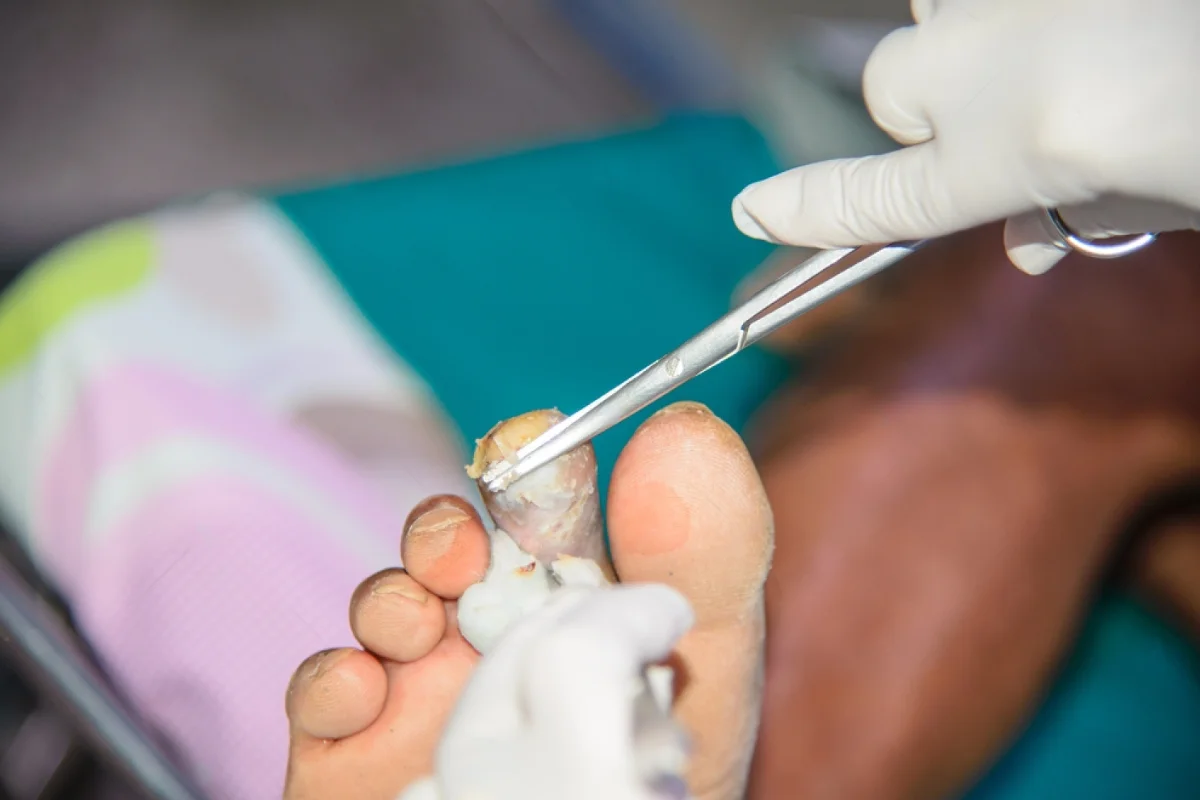
Many elderly patients also live with diabetes, which can affect circulation, nerve function, and the body’s ability to fight infections. Diabetic wounds, especially foot ulcers, require careful management because they can worsen quickly if untreated.
A Wound treatment center provides professional evaluation and advanced care approaches to support healing and reduce the risk of serious complications.
Chronic Non-Healing Wounds
Some wounds remain open for weeks or months despite regular care. These chronic wounds may be caused by poor circulation, repeated pressure, infection, or other medical conditions.
A Wound treatment center focuses on finding the underlying reason why a wound is not healing and providing targeted treatment.
What Services Does a Wound Treatment Center Provide?
A qualified Wound treatment center offers more than simple dressing changes. The goal is to provide complete wound management from assessment to recovery.
Comprehensive Wound Assessment
The first step in wound care is understanding the condition of the wound. Specialists evaluate:
- Wound size and depth
- Signs of infection
- Tissue condition
- Blood circulation
- Factors affecting healing
This assessment allows the care team to develop a customized treatment approach.
Advanced Wound Treatment Options
Depending on the wound condition, a Wound treatment center may provide treatments such as:
- Advanced wound dressings
- Wound cleaning and debridement
- Infection management
- Negative pressure wound therapy
- Ongoing wound monitoring
These treatments are designed to encourage healthy tissue growth and create better conditions for healing.
Personalized Care for Elderly Patients
Older adults often have multiple health concerns that affect wound recovery. A reliable Wound treatment center considers the patient’s overall health, mobility limitations, nutrition, and lifestyle when planning treatment.
This personalized approach helps ensure that wound care is suitable, comfortable, and effective.
Benefits of Choosing a Specialized Wound Treatment Center
Seeking professional help from a Wound treatment center can provide several benefits for elderly and bedridden patients.
Faster Identification of Wound Problems
Early assessment helps identify issues before they become severe. A wound that appears small may have deeper complications that require professional evaluation.
Lower Risk of Infection
Open wounds can allow bacteria to enter the body. Regular monitoring and proper treatment from a Wound treatment center help reduce infection risks.
Better Comfort and Quality of Life
Chronic wounds can cause pain, limited movement, and emotional stress. Effective wound management can improve comfort and help patients maintain a better quality of life.
Why Choose Kalingap Wound Care Clinic for Elderly and Bedridden Patient Wound Care?
Choosing the right Wound treatment center is important when caring for elderly and bedridden patients. Kalingap Wound Care Clinic provides specialized wound care solutions focused on patients with complex and slow-healing wounds.
The clinic offers professional wound evaluation and treatment options designed for different wound conditions, including pressure injuries, diabetic wounds, and chronic wounds. Its approach focuses on helping patients receive appropriate care while supporting families throughout the healing process.
For families searching for a dependable Wound treatment center, working with experienced wound care professionals can make a meaningful difference in recovery and long-term wound prevention.
How Caregivers Can Support Wound Healing at Home
While professional treatment is essential, caregivers also play an important role in supporting recovery.
Helpful practices include:
- Checking the skin regularly for early signs of damage
- Changing the patient’s position regularly when advised
- Keeping skin clean and dry
- Following wound care instructions carefully
- Supporting proper nutrition and hydration
- Reporting changes such as redness, swelling, drainage, or increased pain
Home care combined with support from a Wound treatment center can provide better outcomes for elderly and bedridden patients.
When Should an Elderly Patient Visit a Wound Treatment Center?
Families should consider consulting a Wound treatment center if:
- A wound does not improve after regular care
- The wound becomes larger or deeper
- There is unusual drainage or odor
- The surrounding skin becomes red or swollen
- The patient develops fever or signs of infection
- The wound causes increasing discomfort
Early professional attention can prevent small wounds from becoming more serious health concerns.
Takeaway
Elderly and bedridden patients require careful attention when dealing with wounds. Because their healing process can be affected by mobility issues, aging, and existing health conditions, professional support from a Wound treatment center can be essential.
Frequently Asked Questions About Wound Treatment Centers for Elderly Patients
What is a Wound treatment center?
A Wound treatment center is a specialized healthcare facility that focuses on diagnosing and treating difficult wounds, including pressure ulcers, diabetic wounds, surgical wounds, and chronic non-healing wounds.
Why do elderly patients need specialized wound care?
Elderly patients often heal more slowly due to aging skin, reduced circulation, medical conditions, and limited mobility. A Wound treatment center provides specialized care designed to address these challenges.
How long does it take for an elderly wound to heal?
Healing time depends on factors such as wound severity, overall health, nutrition, circulation, and treatment response. Some wounds may heal within weeks, while more complex wounds may require longer management.
Are bed sores dangerous for bedridden patients?
Yes. Untreated bed sores can become infected and may develop into deeper tissue injuries. Seeking care from a Wound treatment center early can help reduce complications.
What should families look for when choosing a Wound treatment center?
Families should consider the center’s experience with elderly patients, available treatment options, professional expertise, and ability to provide personalized wound care plans.