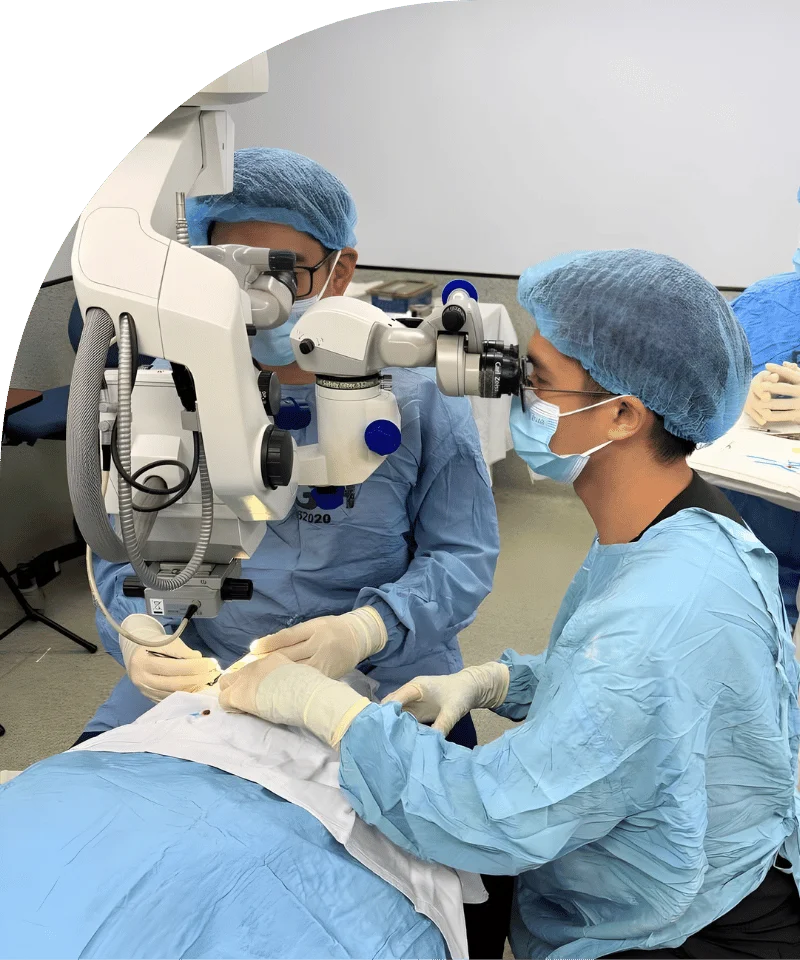
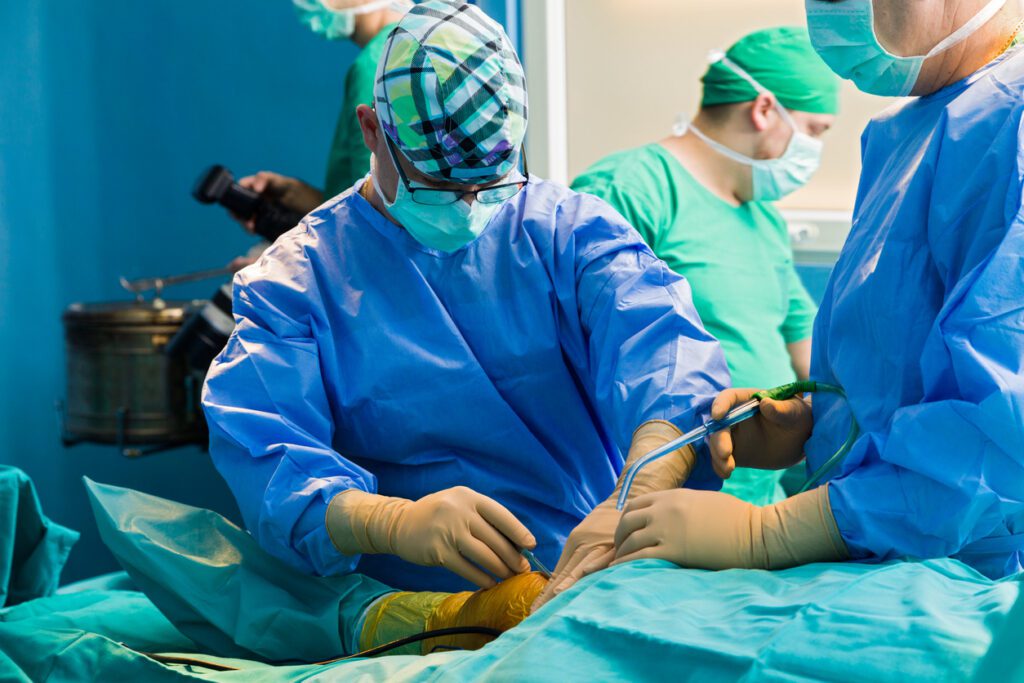
Understanding the role of an orthopedic surgeon helps people recognize the value of specialized care for bones, joints, ligaments, tendons, and muscles. This medical expert is trained extensively to diagnose, manage, and treat a wide range of musculoskeletal conditions that affect movement, comfort, and overall daily functioning. Many individuals seek help from an orthopedic surgeon when they experience persistent pain, injuries related to accidents, or mobility limitations that disrupt their routines. The field of orthopedics goes beyond treating injuries and focuses on restoring strength, stability, and long-term wellness. Orthopedic surgeons dedicate years to mastering both surgical and non-surgical approaches to patient care, ensuring they select the most suitable path for each condition. Their work requires precision, empathy, and a comprehensive understanding of how the musculoskeletal system works together. Anyone who wishes to maintain an active lifestyle or regain pain-free mobility can greatly benefit from seeking expertise from a trusted orthopedic surgeon.
Understanding the Role of an Orthopedic Surgeon
An orthopedic surgeon plays a vital role in diagnosing and treating conditions that interfere with movement and comfort. These specialists address chronic concerns as well as sudden injuries caused by falls, sports, or repetitive strain. Their training covers surgical techniques along with non-surgical alternatives, allowing them to offer a balanced approach to care. Patients often seek them out when they struggle with joint stiffness, swelling, fractures, or persistent muscle pain that no longer improves on its own. These specialists are uniquely equipped to determine whether an injury can heal naturally or if intervention is required. The decision-making process involves extensive evaluation, imaging, and a deep understanding of musculoskeletal function. With their guidance, patients receive comprehensive care that aims to restore alignment, reduce pain, and improve long-term mobility.
Key Responsibilities and Expertise Areas in Orthopedic Surgery
Orthopedic surgeons handle a wide variety of responsibilities that require accuracy, critical thinking, and patient-focused strategies. They perform procedures that repair damaged joints, correct deformities, and restore bone structure after injury. These professionals are also trained in rehabilitation planning and work closely with physical therapists to support full recovery. They often specialize in targeted areas to better serve specific patient needs, such as sports medicine, pediatric orthopedics, joint replacement, or spine surgery. Their daily work revolves around assessing the severity of issues, explaining treatment options clearly, and ensuring patients understand what to expect. Most importantly, they prioritize patient comfort by offering tailored solutions that align with individual goals. Their wide-ranging expertise makes them indispensable partners in health and mobility management.
Conditions Commonly Treated by an Orthopedic Surgeon
Orthopedic surgeons treat a broad spectrum of conditions that affect bones, joints, and soft tissues. Patients frequently visit them for help with chronic challenges like arthritis and osteoarthritis, which can worsen with age and activity level. They also manage traumatic injuries such as fractures, ligament tears, dislocations, and tendon damage. Many individuals seek orthopedic support when experiencing repetitive strain pain from work-related tasks, sports activities, or improper posture. Orthopedic surgeons assess the root cause of these issues and develop strategies that match the patient’s lifestyle and goals. They also guide individuals through long-term care plans designed to preserve mobility and prevent worsening symptoms. When a patient’s discomfort begins to affect daily routines, consulting an orthopedic surgeon becomes essential for long-term well-being.
Benefits of Consulting an Orthopedic Surgeon Early
Seeking advice from an orthopedic surgeon early can significantly improve outcomes and reduce the risk of long-term mobility problems. Early intervention helps prevent minor injuries from developing into more severe and debilitating conditions. Addressing pain and stiffness at the first sign of concern allows orthopedic specialists to create effective treatment plans before complications arise. When patients wait too long, injuries may become more challenging to treat, leading to prolonged recovery periods. Early consultations also empower patients with knowledge about protective habits, proper body mechanics, and supportive exercises. By acting sooner, individuals often experience faster relief, better healing, and improved quality of life. An orthopedic surgeon’s guidance ensures that small issues are properly managed, reducing future discomfort and preventing unnecessary strain.
Modern Technologies and Innovations in Orthopedic Surgery
Orthopedic surgery has advanced remarkably due to modern technologies that enhance precision, speed up recovery, and improve overall outcomes. Minimally invasive techniques now allow surgeons to operate through smaller incisions, reducing tissue damage and accelerating healing. Robotic-assisted procedures increase accuracy, ensuring implants and corrections are placed with exceptional detail. Enhanced imaging tools such as 3D scans and MRI technology allow orthopedic surgeons to diagnose conditions with clarity and create more accurate treatment plans. New materials used in joint replacements, such as advanced metals and durable plastics, provide greater longevity and comfort. Patients benefit from shorter hospital stays, less post-operative discomfort, and better functional results. These innovations continue to shape the future of orthopedic care, making procedures safer, more effective, and more accessible.
What to Expect During an Orthopedic Consultation
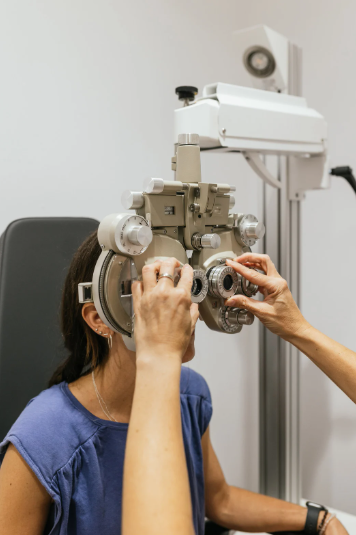
Patients attending an orthopedic consultation can expect a thorough and personalized evaluation. The orthopedic surgeon begins by discussing symptoms, medical history, and lifestyle habits that may contribute to discomfort. Physical examinations follow, allowing the surgeon to assess movement, strength, and any visible structural concerns. Diagnostic tests such as X-rays, MRI scans, or CT scans may be used to gain a clearer view of internal structures. After gathering this information, the surgeon explains the findings and outlines the most suitable treatment options. Patients are encouraged to ask questions and express any concerns to ensure clarity and comfort. This process helps build confidence and ensures that each individual receives care tailored to their unique needs and goals.
Surgical and Non-Surgical Treatment Options
Orthopedic surgeons consider many factors before recommending surgery, prioritizing less invasive options whenever possible. Many conditions respond well to physical therapy, medication, rest, and lifestyle adjustments. Some patients benefit from regenerative treatments such as platelet-rich plasma therapy or specialized injections. When surgery becomes the best path, orthopedic surgeons explain the procedure clearly to help reduce fear and uncertainty. Common surgical treatments may involve joint replacement, arthroscopy, spinal correction, or fracture repair. Recovery plans often include targeted rehabilitation to support long-term healing and strength. Patients who work closely with their orthopedic surgeon throughout this process often experience improved balance, pain relief, and enhanced mobility.
Examples of Non-Surgical Options
• Physical therapy exercises
• Anti-inflammatory or pain-relief medication
• Lifestyle correction and activity modification
• Bracing or supportive devices
• Rest and targeted stretching programs
Choosing the Right Orthopedic Surgeon
Selecting the right orthopedic surgeon greatly influences both patient comfort and treatment success. Individuals should look for a board-certified specialist with experience in the specific condition or procedure they require. It is helpful to explore their training background, hospital affiliations, and preferred treatment approaches. Effective communication is essential, as patients need a surgeon who listens attentively and provides clear explanations. A patient-centered orthopedic surgeon is more likely to create a supportive environment that builds trust and confidence. Reading feedback from other patients may also help guide the selection process. Ultimately, the right orthopedic surgeon combines expertise, compassion, and dedication to help patients achieve long-term improvement.
Frequently Asked Questions
What symptoms suggest I should see an orthopedic surgeon
Persistent joint pain, difficulty moving, swelling, stiffness, or pain that worsens with activity often signal the need for orthopedic care.
Do orthopedic surgeons always perform surgery
No. Many conditions improve with non-surgical treatments, and surgeons often explore these options first.
How long does recovery take after an orthopedic procedure
Recovery varies depending on the procedure, age, general health, and dedication to rehabilitation exercises.
Can lifestyle changes improve orthopedic conditions
Yes. Proper posture, exercise, weight management, and avoiding repetitive strain can support long-term musculoskeletal health.
Are minimally invasive orthopedic surgeries safe
Yes. These techniques are designed to reduce tissue damage, shorten recovery time, and improve overall outcomes when performed by trained specialists.
What’s the difference between an orthopedic surgeon and a physical therapist
Orthopedic surgeons diagnose and treat musculoskeletal conditions, while physical therapists focus on rehabilitation and restoring function.
Takeaway
An orthopedic surgeon offers specialized care that enhances mobility, reduces pain, and helps patients return to the activities they enjoy most. Seeking help early, understanding available treatment options, and choosing a skilled specialist can make a powerful impact on long-term comfort and physical strength. With advancements in modern technology and patient-centered care, orthopedic surgeons continue to transform lives through expert guidance, precise treatments, and compassionate support.