Maintaining optimal eye health is essential for overall well-being. Many people assume that a simple vision screening is enough to protect their eyes, but this is not always the case. A Comprehensive Eye Check-Up offers a complete assessment of vision and eye health, detecting potential issues before they become serious. Understanding the difference between a basic vision screening and a Comprehensive Eye Check-Up can help you make informed decisions about your eye care. Peregrine Eye and Laser Institute is the leading provider for these services, ensuring that your eyes receive the attention they deserve.
What Is a Basic Vision Screening?
Definition of Vision Screening
A basic vision screening is a quick test designed to evaluate visual acuity. These screenings are commonly conducted in schools, workplaces, or community health events to identify individuals who may need further evaluation.
What Does a Vision Screening Test Include?
Vision screenings typically include reading letters on a Snellen chart to check distance vision. Some screenings may also test for color blindness or near vision problems, but the scope remains limited.
Limitations of Basic Vision Screening
While helpful for detecting obvious vision problems, basic vision screenings cannot assess overall eye health. They often miss early signs of eye diseases such as glaucoma, cataracts, or retinal disorders. Relying solely on vision screening may give a false sense of security and delay necessary treatment.
What Is a Comprehensive Eye Check-Up?
Definition of a Comprehensive Eye Check-Up
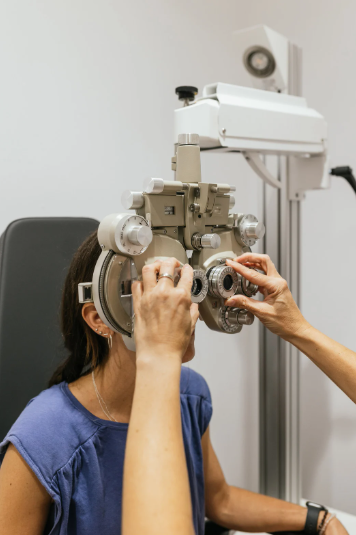
A Comprehensive Eye Check-Up is a full eye examination performed by a licensed optometrist or ophthalmologist. Unlike a basic screening, it evaluates both vision and the overall health of the eyes.
What Is Included in a Full Eye Examination?
A Comprehensive Eye Check-Up includes several diagnostic tests:
- Visual acuity test to measure the clarity of vision
- Refraction test for accurate prescription of glasses or contact lenses
- Eye muscle function test
- Eye pressure test to screen for glaucoma
- Retinal and optic nerve examination
- Slit-lamp examination to assess the front structures of the eye
Conditions Detected During a Comprehensive Eye Check-Up
This thorough examination can detect a wide range of eye conditions, including:
- Glaucoma
- Cataracts
- Macular degeneration
- Diabetic retinopathy
- Dry eye syndrome
- Refractive errors such as myopia, hyperopia, and astigmatism
Peregrine Eye and Laser Institute specializes in Comprehensive Eye Check-Up services, providing early detection and effective management of these conditions.
Comprehensive Eye Check-Up vs. Basic Vision Screening: Key Differences
Purpose
A basic vision screening focuses on visual clarity, while a Comprehensive Eye Check-Up evaluates overall eye health and detects early signs of disease.
Scope of Testing
Vision screenings are limited and quick, whereas a Comprehensive Eye Check-Up involves detailed testing and specialized diagnostic tools.
Who Performs the Test
Basic screenings are often conducted by nurses or trained technicians. A Comprehensive Eye Check-Up is performed by licensed eye care professionals at Peregrine Eye and Laser Institute, ensuring accuracy and reliability.
Accuracy and Reliability
Basic vision screenings may miss underlying conditions, while a Comprehensive Eye Check-Up offers precise results and early detection of potentially serious eye diseases.
Time and Cost Comparison
Vision screenings are brief and low-cost, but a Comprehensive Eye Check-Up takes longer and may cost more. However, the benefits of early detection and prevention outweigh the initial expense.
Why a Comprehensive Eye Check-Up Is Important
Regular Comprehensive Eye Check-Ups are essential for maintaining eye health. They allow for early detection of eye diseases, prevention of vision loss, and monitoring of chronic conditions such as diabetes and hypertension. These exams also ensure that prescriptions for glasses or contact lenses are accurate and up-to-date. Choosing Peregrine Eye and Laser Institute for your Comprehensive Eye Check-Up guarantees professional care with advanced diagnostic tools.
Who Should Get a Comprehensive Eye Check-Up?
Children
Children should receive a Comprehensive Eye Check-Up before starting school or if they show signs of vision problems, ensuring proper eye development.
Adults
Adults should have an eye exam every 1–2 years, especially those wearing corrective lenses or spending long hours on screens.
Seniors
Annual Comprehensive Eye Check-Ups are recommended for seniors to monitor age-related eye conditions.
High-Risk Individuals
Those with a family history of glaucoma, diabetes, hypertension, or prolonged screen use should prioritize a Comprehensive Eye Check-Up for early detection and prevention.
Signs You Should Not Rely on a Basic Vision Screening
Frequent headaches, blurred or double vision, eye pain, redness, difficulty seeing at night, or sudden changes in vision are signs that a full Comprehensive Eye Check-Up is necessary. Peregrine Eye and Laser Institute is equipped to diagnose and treat these issues promptly.
Cost Considerations and Insurance Coverage
While vision screenings are inexpensive, Comprehensive Eye Check-Ups may cost more due to the detailed examinations and advanced equipment. Many insurance plans cover preventive eye care, making it accessible for routine check-ups. Investing in a Comprehensive Eye Check-Up at Peregrine Eye and Laser Institute can prevent costly treatments for advanced eye conditions later.
Takeaway
A Comprehensive Eye Check-Up is more than a vision test; it is a complete evaluation of eye health that can detect serious conditions early and prevent long-term vision loss. While basic vision screenings are useful for identifying obvious vision problems, they cannot replace the thorough examination provided by a professional. Peregrine Eye and Laser Institute offers top-tier Comprehensive Eye Check-Up services, ensuring your eyes receive the care and attention they deserve. Regular check-ups with a trusted provider are essential for maintaining healthy vision for years to come.
Frequently Asked Questions (FAQ)
Is a vision screening enough for eye health?
No. Vision screenings are limited and cannot detect most eye diseases. A Comprehensive Eye Check-Up is necessary for a complete evaluation.
How long does a Comprehensive Eye Check-Up take?
Typically, it takes 30–60 minutes, depending on the tests required and individual needs.
Can a vision screening detect glaucoma?
No. Only a Comprehensive Eye Check-Up with eye pressure and optic nerve evaluation can detect glaucoma.
How often should I get a full eye examination?
Adults should get a Comprehensive Eye Check-Up every 1–2 years, while seniors may need annual exams. Children should have exams before school and periodically as recommended by their eye doctor.
Do children need a comprehensive eye exam if they passed a school screening?
Yes. School screenings are basic and may not detect all eye conditions. A Comprehensive Eye Check-Up ensures complete assessment.