Persistent eye movement disorders can significantly affect how a person sees and interacts with the world. These conditions often go beyond simple vision problems, involving complex connections between the eyes and the brain. Seeking proper Neuro-Ophthalmology Treatment is essential to address both the visual and neurological aspects of these disorders. Early intervention not only improves vision but also enhances balance, coordination, and overall quality of life.
What Are Eye Movement Disorders?
Eye movement disorders refer to conditions where the eyes do not move in a coordinated or controlled manner. These abnormalities can disrupt clear vision and cause discomfort in daily activities such as reading or driving.
Common types include nystagmus, which involves repetitive, uncontrolled eye movements; strabismus, where the eyes are misaligned; and diplopia, also known as double vision. These conditions often indicate underlying neurological concerns, making Neuro-Ophthalmology Treatment crucial for accurate diagnosis and effective care.
Causes of Persistent Eye Movement Disorders
Persistent eye movement disorders can arise from a variety of causes. Neurological issues such as brain injuries, tumors, or nerve damage are among the most common. Medical conditions like multiple sclerosis and stroke may also interfere with the brain’s ability to control eye movement.
Some individuals are born with these conditions due to genetic or congenital factors, while others may develop them after trauma or infections. Identifying the root cause is a vital step in determining the appropriate Neuro-Ophthalmology Treatment, as each case requires a tailored approach for the best outcomes.
Signs and Symptoms to Watch Out For
Recognizing the symptoms early can lead to timely Neuro-Ophthalmology Treatment. Common signs include uncontrolled or jerky eye movements, blurred or double vision, and difficulty focusing on objects. Some individuals may tilt their heads or adopt unusual postures to compensate for visual disturbances.
Additional symptoms such as dizziness, headaches, and balance issues may also occur. These signs should not be ignored, especially if they persist or worsen over time. Consulting a specialist ensures that the condition is properly evaluated and managed.
How Neuro-Ophthalmology Treatment Works
Neuro-Ophthalmology Treatment involves a comprehensive approach that examines both the eyes and the nervous system. Specialists in this field are trained to identify complex conditions that affect vision and eye movement.
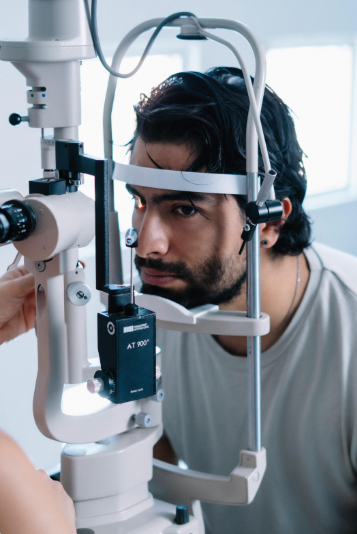
The process typically begins with a detailed medical history and a series of diagnostic tests. These may include imaging procedures like MRI or CT scans, visual field assessments, and eye movement tracking. The goal is to pinpoint the underlying cause and develop a personalized treatment plan that addresses the patient’s specific needs.
Types of Neuro-Ophthalmology Treatment Available
Several treatment options are available depending on the severity and cause of the condition. Medications may be prescribed to manage underlying neurological issues or reduce symptoms. Vision therapy can help improve coordination and strengthen eye muscles.
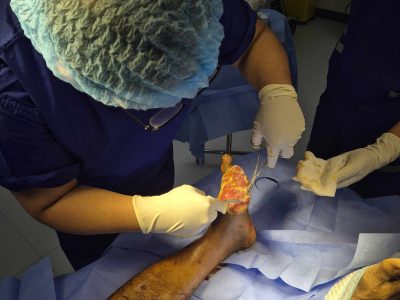
Corrective solutions such as prism glasses are often used to alleviate double vision, while botulinum toxin injections may be recommended for certain muscle-related disorders. In more severe cases, surgical intervention may be necessary to correct alignment or relieve pressure on affected nerves.
Each of these options plays a role in comprehensive Neuro-Ophthalmology Treatment, helping patients regain better control of their vision and daily activities.
Living with Eye Movement Disorders
Managing a persistent eye movement disorder requires ongoing care and lifestyle adjustments. Regular follow-ups are essential to monitor progress and adjust treatment plans as needed. Patients are often encouraged to adopt strategies that reduce eye strain, such as proper lighting and scheduled rest periods.
Support from healthcare providers, family, and educational resources can make a significant difference. With consistent Neuro-Ophthalmology Treatment, many individuals are able to maintain independence and improve their quality of life.
Why Choose the Right Clinic for Neuro-Ophthalmology Treatment
Choosing the right provider is a critical step in achieving successful outcomes. Specialized clinics offer advanced diagnostic tools, experienced professionals, and patient-focused care that can make a meaningful difference.
Peregrine Eye and Laser Institute stands out as a trusted provider of Neuro-Ophthalmology Treatment, known for its commitment to excellence and patient-centered approach. With a team of skilled specialists and state-of-the-art technology, the clinic delivers accurate diagnoses and effective treatment plans tailored to each individual.
Patients benefit from comprehensive care that addresses both immediate symptoms and long-term health, making it a reliable choice for those seeking expert solutions for persistent eye movement disorders.
Takeaway
Persistent eye movement disorders can impact daily life in many ways, but effective solutions are available. Understanding the causes, recognizing the symptoms, and seeking timely Neuro-Ophthalmology Treatment are essential steps toward recovery.
Choosing a trusted provider like Peregrine Eye and Laser Institute ensures access to expert care and advanced treatment options. With the right support and medical guidance, patients can achieve better vision, improved comfort, and a higher quality of life.
Frequently Asked Questions (FAQ)
1. What is Neuro-Ophthalmology Treatment?
Neuro-Ophthalmology Treatment focuses on diagnosing and managing vision problems related to the nervous system, particularly those affecting eye movement and coordination.
2. Are eye movement disorders permanent?
Some conditions may be long-term, but many can be managed effectively with proper Neuro-Ophthalmology Treatment, improving symptoms and quality of life.
3. How long does treatment take?
The duration varies depending on the cause and severity of the disorder. Some patients see improvement within weeks, while others may require ongoing care.
4. Is surgery always required?
Surgery is not always necessary. Many cases can be managed with non-invasive Neuro-Ophthalmology Treatment options such as medication, therapy, or corrective lenses.
5. When should I consult a specialist?
Consult a specialist if you experience persistent symptoms like double vision, uncontrolled eye movements, or difficulty focusing. Early Neuro-Ophthalmology Treatment can prevent complications.