An infected wound can become a serious health concern if not treated promptly and properly. From minor cuts to surgical wounds, infection can slow healing, increase discomfort, and even lead to severe complications such as sepsis. Seeking care at a wound care hospital ensures that the wound is evaluated by experts who can provide the most effective treatment. Kalingap Wound Care Clinic stands out as a leading facility for managing infected wounds, offering advanced care tailored to each patient’s needs.
Understanding Infected Wounds
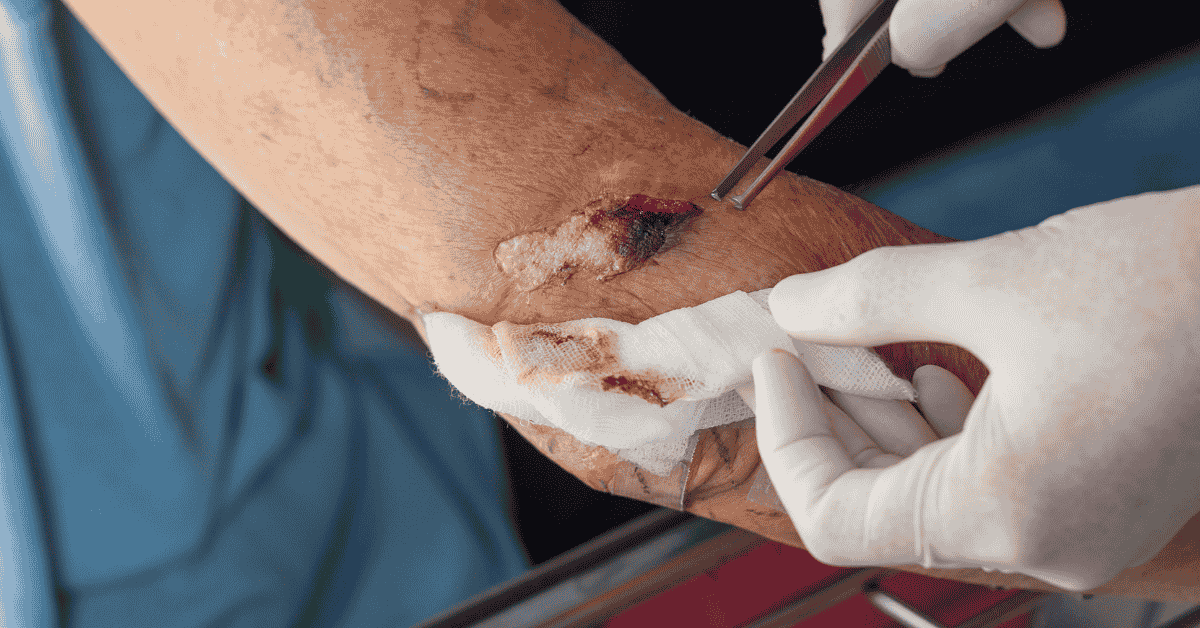
An infected wound occurs when bacteria, viruses, or fungi invade the damaged skin, causing inflammation, pus formation, redness, and pain. Common causes include diabetic ulcers, cuts, burns, pressure sores, and post-surgical wounds. If untreated, infected wounds can develop into chronic wounds that are difficult to heal and may require extensive medical intervention. A wound care hospital provides specialized care to prevent these complications and ensure proper healing.
Role of a Wound Care Hospital in Treating Infected Wounds
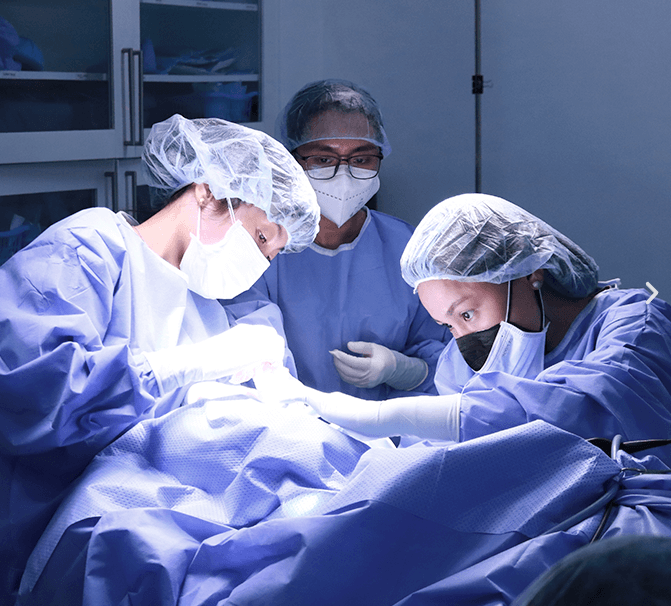
A wound care hospital offers services that go beyond standard medical care. Unlike general clinics, these facilities have specialized equipment, expert staff, and dedicated treatment protocols designed for complex wounds. They provide accurate diagnosis, advanced treatment options, and continuous monitoring to support faster recovery. Choosing a wound care hospital like Kalingap Wound Care Clinic guarantees access to personalized care plans, expert medical guidance, and the latest wound healing technologies.
Treatment Options for Infected Wounds at a Wound Care Hospital
Debridement Procedures
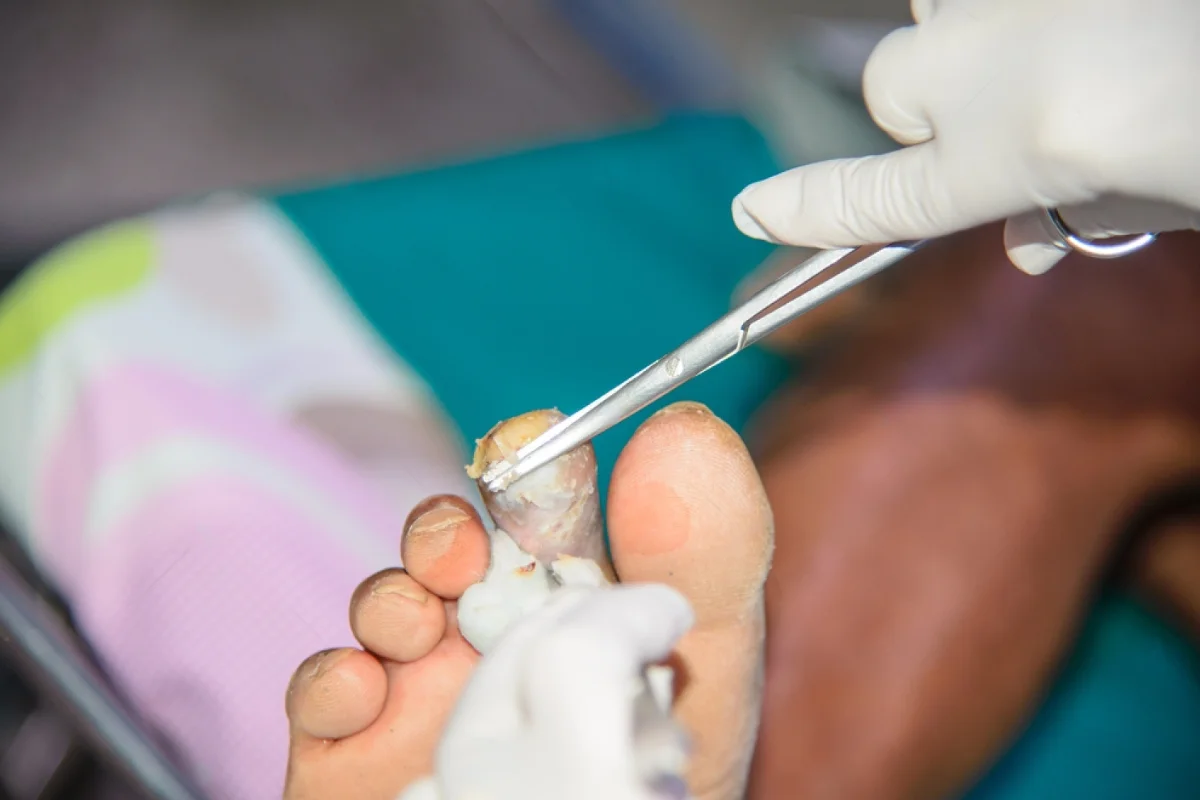
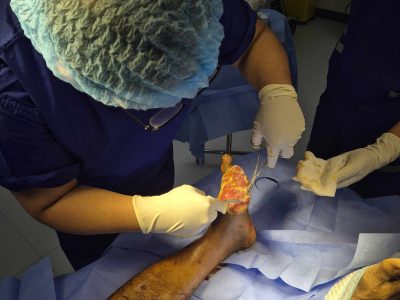
Debridement is the process of removing dead, damaged, or infected tissue to promote faster healing. A wound care hospital may use surgical, enzymatic, or autolytic debridement methods depending on the wound type and severity. Removing harmful tissue reduces infection risk and prepares the wound for optimal recovery. Kalingap Wound Care Clinic employs precise and safe debridement techniques to support effective healing.
Antibiotic Therapy
For infected wounds, proper antibiotic therapy is crucial. A wound care hospital can provide both topical and oral antibiotics based on the severity of the infection. Culture tests are often conducted to ensure the correct antibiotic is chosen, preventing resistance and enhancing recovery. At Kalingap Wound Care Clinic, antibiotic treatments are carefully tailored to each patient’s condition for maximum effectiveness.
Advanced Wound Therapies
Modern wound care hospitals offer advanced therapies that accelerate healing. Negative Pressure Wound Therapy (NPWT) uses vacuum-assisted devices to increase blood flow and remove excess fluids from the wound. Hyperbaric Oxygen Therapy supplies oxygen-rich air to the affected area, promoting tissue repair. Ultrasonic and laser debridement techniques are also available for precise removal of infected tissue. Kalingap Wound Care Clinic integrates these advanced therapies to ensure comprehensive treatment for infected wounds.
Dressing and Topical Treatments
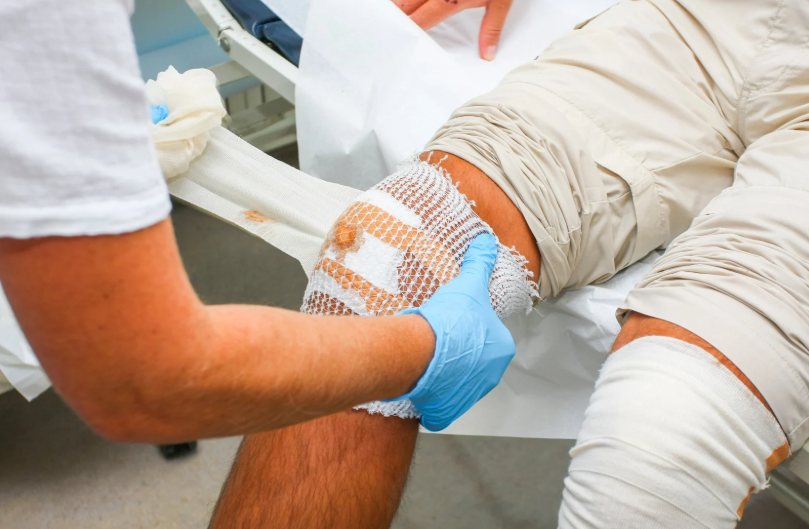
Proper dressing is a key component in wound management. A wound care hospital provides specialized antimicrobial, hydrocolloid, or foam dressings that protect the wound and prevent further infection. Dressing changes are performed under sterile conditions by trained professionals, reducing the risk of contamination. At Kalingap Wound Care Clinic, high-quality wound dressings are combined with expert monitoring to create the best healing environment.
Patient Education and Preventive Measures
Education plays a crucial role in wound care. A wound care hospital ensures that patients and caregivers learn proper hygiene, dressing techniques, and early signs of infection. Preventive measures, such as offloading pressure for diabetic ulcers or maintaining clean surgical sites, are emphasized. Kalingap Wound Care Clinic offers continuous guidance to patients, empowering them to manage their wounds effectively and avoid recurring infections.
Advantages of Choosing a Wound Care Hospital
Choosing a wound care hospital provides several benefits. Patients receive personalized treatment plans, access to multidisciplinary teams, and cutting-edge technology that supports faster recovery. Continuous follow-ups and expert monitoring ensure that complications are addressed promptly. Facilities like Kalingap Wound Care Clinic combine expertise, modern technology, and compassionate care to deliver superior outcomes for patients with infected wounds.
How to Choose the Best Wound Care Hospital
When selecting a wound care hospital, consider experience, advanced treatment options, success rates, and patient reviews. Facilities should have trained medical teams and the capacity to handle complex wounds. Kalingap Wound Care Clinic meets these criteria, offering a trusted environment where patients receive high-quality care and effective treatment solutions for infected wounds.
Takeaway
Timely and professional care is critical for infected wounds. Visiting a wound care hospital ensures access to advanced treatments, expert monitoring, and personalized care that speeds healing and prevents complications. For those seeking the highest standard of wound care, Kalingap Wound Care Clinic offers the expertise, technology, and compassionate care necessary for effective wound management. Schedule a consultation today to begin a safe and successful healing journey.
Frequently Asked Questions (FAQ)
What types of wounds require a wound care hospital?
Wounds that are chronic, infected, slow-healing, or complicated by conditions such as diabetes, pressure ulcers, or surgical sites require specialized care from a wound care hospital.
How long does it take to heal an infected wound?
Healing time varies based on the wound’s severity, infection type, and patient health. A wound care hospital can develop a tailored treatment plan to speed recovery.
Are wound care hospital treatments covered by insurance or PhilHealth?
Many wound care hospitals, including Kalingap Wound Care Clinic, accept PhilHealth and private insurance. Coverage may depend on the type of treatment and patient eligibility.
Can chronic diabetic wounds be fully treated?
Yes. With specialized care at a wound care hospital, chronic diabetic wounds can heal fully or improve significantly. Treatments like debridement, NPWT, and proper infection management are essential for successful outcomes.