Phakic IOL offers a reliable and long-term solution for individuals struggling with nearsightedness. Unlike traditional corrective options such as glasses or contact lenses, Phakic IOL provides the opportunity to regain clear vision without relying on external aids. This advanced procedure has become an increasingly preferred choice for patients who want a permanent correction of myopia while preserving their natural eye lens. Patients seeking a safe and effective vision correction method can benefit greatly from Phakic IOL, especially when performed at a world-class facility like Peregrine Eye and Laser Institute.
What is Phakic IOL?
Phakic IOL, or phakic intraocular lens, is a specially designed lens that is surgically implanted into the eye to correct myopia. Unlike lenses used in cataract surgery, Phakic IOL does not require the removal of the natural lens, which allows the eye to maintain its natural focusing ability. If the lens is implanted after cataract surgery, where the natural lens has been removed, it is referred to as pseudophakic.
The lens is typically made of high-quality plastic or silicone and is positioned either in front of or behind the iris, depending on the specific needs of the patient. By correcting refractive errors, Phakic IOL provides clear, sharp vision and reduces dependence on glasses or contact lenses. This procedure is particularly beneficial for patients who are not suitable candidates for laser eye surgery or have higher degrees of myopia.
Who Can Benefit from Phakic IOL?
Phakic IOL is an excellent option for patients with moderate to high nearsightedness who are seeking a long-term solution for their vision. Individuals who have thin corneas or irregular corneal shapes, which may make laser eye surgery risky, are often ideal candidates for this procedure. Patients who want to maintain the natural lens of their eye while achieving significant visual improvement can also benefit from Phakic IOL.
Patients who choose Phakic IOL can expect a safe and effective outcome with long-lasting results. Unlike glasses or contact lenses, the lens is permanently implanted, which eliminates the daily inconvenience of handling external vision correction tools. Many patients notice significant improvements in vision immediately after the procedure, making Phakic IOL a highly attractive option for those seeking freedom from corrective eyewear.
How Phakic IOL Surgery Works
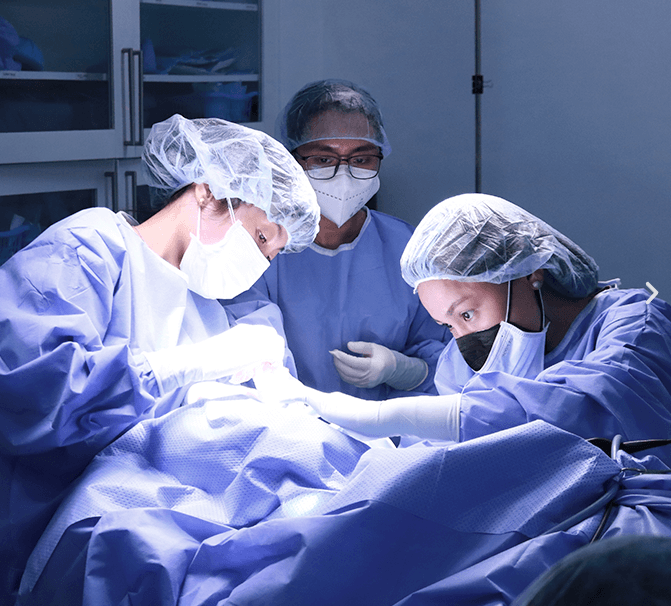
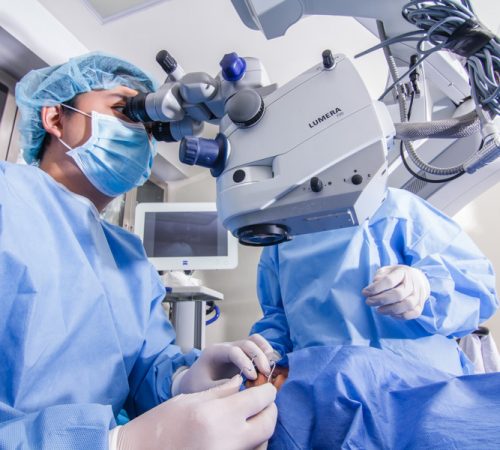
Phakic IOL surgery begins with a comprehensive eye examination to determine the most suitable lens type and size for each patient. The procedure itself involves creating a small incision at the front of the eye, through which the lens is carefully inserted. Depending on the type of lens, it is positioned either in front of or behind the iris. The eye’s natural lens remains untouched during the procedure, ensuring the eye retains its natural focusing power.
The surgery is typically performed on an outpatient basis, allowing patients to return home on the same day. Recovery is generally quick, with many patients noticing clearer vision within a few days. Postoperative care includes follow-up visits to ensure proper healing and monitor the lens placement. Patients are also given specific guidelines to prevent complications and maintain optimal eye health following the procedure.
Benefits of Phakic IOL
Phakic IOL offers numerous advantages over traditional vision correction methods. One of the primary benefits is permanent correction of nearsightedness, allowing patients to experience life without glasses or contact lenses. The procedure is reversible if necessary, which provides an added layer of safety.
Phakic IOL is also ideal for patients with high myopia who may not be eligible for laser eye surgery. The lens provides sharper and more precise vision compared to glasses or contacts, and visual recovery is generally fast. Patients often report improved quality of life due to the convenience and comfort of having clear vision without external aids. Safety is a key advantage of Phakic IOL, as it maintains the natural lens and reduces the risk of certain complications associated with other surgical procedures.
Why Choose Peregrine Eye and Laser Institute
Peregrine Eye and Laser Institute has established itself as a trusted center for eye care in Metro Manila. Founded by Mr. Jimmy Tan, Dr. Harvey Uy, and Dr. Pik Sha Chan Uy, the institute aims to provide advanced eye care using modern technology while delivering personalized attention. With facilities located in Makati, Manila, and Quezon City, Peregrine Eye and Laser Institute is accessible to patients across the region.
The team of specialists at Peregrine Eye and Laser Institute includes ophthalmologists trained at prestigious institutions such as Harvard Medical School, Johns Hopkins University, UCLA, California Pacific Medical Center, University of Wisconsin, and Singapore National Eye Center. These experts bring decades of clinical and surgical experience to every procedure, ensuring patients receive the highest standard of care.
Peregrine Eye and Laser Institute also features state-of-the-art ophthalmic equipment and modern operating theaters, enabling the clinic to handle both routine and complex cases. Patient comfort and safety are prioritized through ongoing staff training and efficient clinic design. Advanced IT systems help streamline scheduling and patient care processes, making the experience seamless and convenient.
Phakic IOL vs Other Vision Correction Options
Phakic IOL offers several advantages over traditional laser vision correction procedures such as LASIK or PRK. While laser surgery reshapes the cornea to correct refractive errors, Phakic IOL preserves the natural lens and provides sharper, more stable vision, particularly for patients with high myopia or thin corneas.
Unlike laser procedures, Phakic IOL can correct higher degrees of nearsightedness safely. Many patients who are not eligible for laser surgery find Phakic IOL to be an excellent alternative. Additionally, the procedure offers rapid visual recovery and long-lasting results, making it a practical choice for individuals seeking a permanent solution for their vision needs.
Cost and Accessibility of Phakic IOL
The cost of Phakic IOL varies depending on individual eye conditions and specific lens requirements. Peregrine Eye and Laser Institute provides detailed consultations to determine the best treatment plan and associated costs for each patient. Facilities in Makati, Manila, and Quezon City ensure patients have convenient access to expert care.
The clinic also offers guidance on financing and consultation options, making Phakic IOL accessible to a wider range of patients. Transparent communication about costs and expected outcomes helps patients make informed decisions and plan their treatment effectively.
Takeaway
Phakic IOL represents a significant advancement in vision correction for patients with nearsightedness. It offers a permanent solution for moderate to high myopia, rapid recovery, and the ability to maintain the natural lens. With the expertise of Peregrine Eye and Laser Institute, patients can receive world-class care, modern facilities, and personalized attention throughout their treatment journey.
For individuals seeking freedom from glasses and contact lenses, Phakic IOL provides a safe, effective, and life-enhancing option. Scheduling a consultation at Peregrine Eye and Laser Institute is the first step toward achieving clear and lasting vision.
Frequently Asked Questions about Phakic IOL
What is the difference between Phakic IOL and pseudophakic IOL?
Phakic IOL is implanted without removing the natural lens, while pseudophakic IOL is used after cataract surgery when the natural lens has been removed.
Is Phakic IOL safe for high myopia?
Yes. Phakic IOL is particularly effective for patients with moderate to high myopia, especially those not suitable for laser eye surgery.
How long does it take to recover from Phakic IOL surgery?
Most patients experience improved vision within a few days, with full recovery and stabilization occurring over several weeks.
Can Phakic IOL be removed if needed?
Yes. Phakic IOL is reversible, allowing the lens to be removed or replaced if necessary.
Will I still need glasses after Phakic IOL surgery?
Many patients achieve clear vision without glasses, though some may still need reading glasses as they age.
How do I know if I am a candidate for Phakic IOL?
A thorough eye examination at Peregrine Eye and Laser Institute will determine suitability based on corneal thickness, degree of myopia, and overall eye health.