Diabetic foot ulcers are a serious complication affecting people living with diabetes. These wounds often develop on the feet due to poor circulation, nerve damage, and delayed healing. Left untreated, they can lead to infections, hospitalization, and in severe cases, amputation. Diabetic foot ulcers Treatment is essential for managing these wounds effectively and preventing further complications. Patients seeking expert care can rely on KALINGAP Wound Care Clinic in Quezon City, a clinic dedicated to comprehensive, patient-focused wound management.
Effective Diabetic foot ulcers Treatment combines medical expertise, advanced wound care techniques, and patient education. Proper treatment not only helps wounds heal faster but also reduces the risk of infections and improves long-term foot health. KALINGAP Wound Care Clinic offers specialized care designed for the unique needs of diabetic patients, making it a trusted choice for residents of Quezon City and surrounding areas.
What Are Diabetic Foot Ulcers?
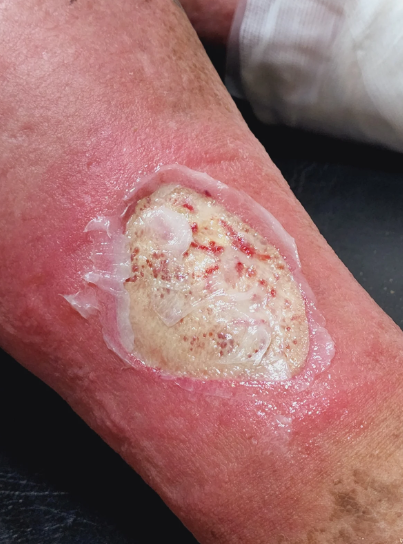
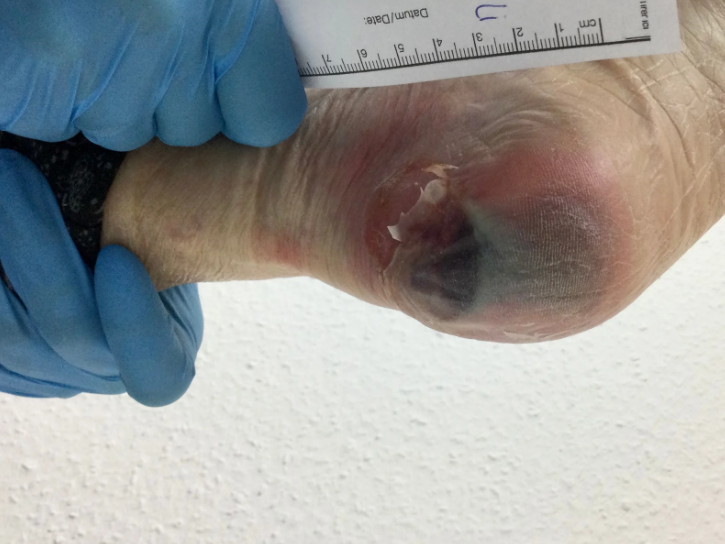
Diabetic foot ulcers are open sores or wounds that occur on the feet of people with diabetes. These ulcers develop primarily due to two factors: peripheral neuropathy, which causes nerve damage, and peripheral arterial disease, which reduces blood flow. Neuropathy can make it difficult for patients to feel injuries, while poor circulation slows the healing process. As a result, minor cuts or blisters may progress into serious ulcers if not addressed promptly.
Diabetic foot ulcers Treatment involves identifying the wound early, assessing its severity, and implementing a structured care plan. Patients who delay treatment face higher risks of infections, gangrene, and the need for surgical intervention. By seeking professional care at KALINGAP Wound Care Clinic, patients gain access to tailored treatment plans that address the root causes of ulcers and promote effective healing.
Signs and Symptoms to Watch For
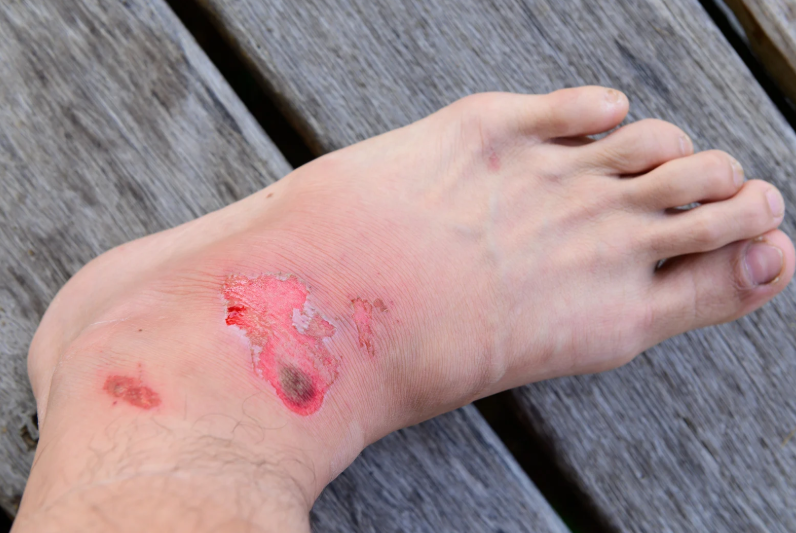
Early detection plays a critical role in the success of Diabetic foot ulcers Treatment. Patients should monitor their feet regularly and look for signs such as redness, swelling, persistent pain, or unusual discharge. Small cuts, blisters, or open sores that fail to heal within a few days may indicate a developing ulcer. Changes in skin color, foul odor, and warmth around the wound are additional warning signs that professional attention is necessary.
Foot ulcers can develop silently, especially in patients experiencing neuropathy. Patients may not feel pain even when a wound becomes severe. Swelling, drainage, and discoloration should never be ignored. Seeking timely Diabetic foot ulcers Treatment helps prevent complications and ensures that wounds receive proper care from the start.
How Diabetic Foot Ulcers Are Treated
Diabetic foot ulcers Treatment requires a structured and comprehensive approach. KALINGAP Wound Care Clinic follows evidence-based practices to ensure optimal outcomes for patients. Treatment begins with a detailed assessment to determine the severity of the ulcer, evaluate circulation, and identify any signs of infection. A personalized treatment plan is then created based on the patient’s specific needs.
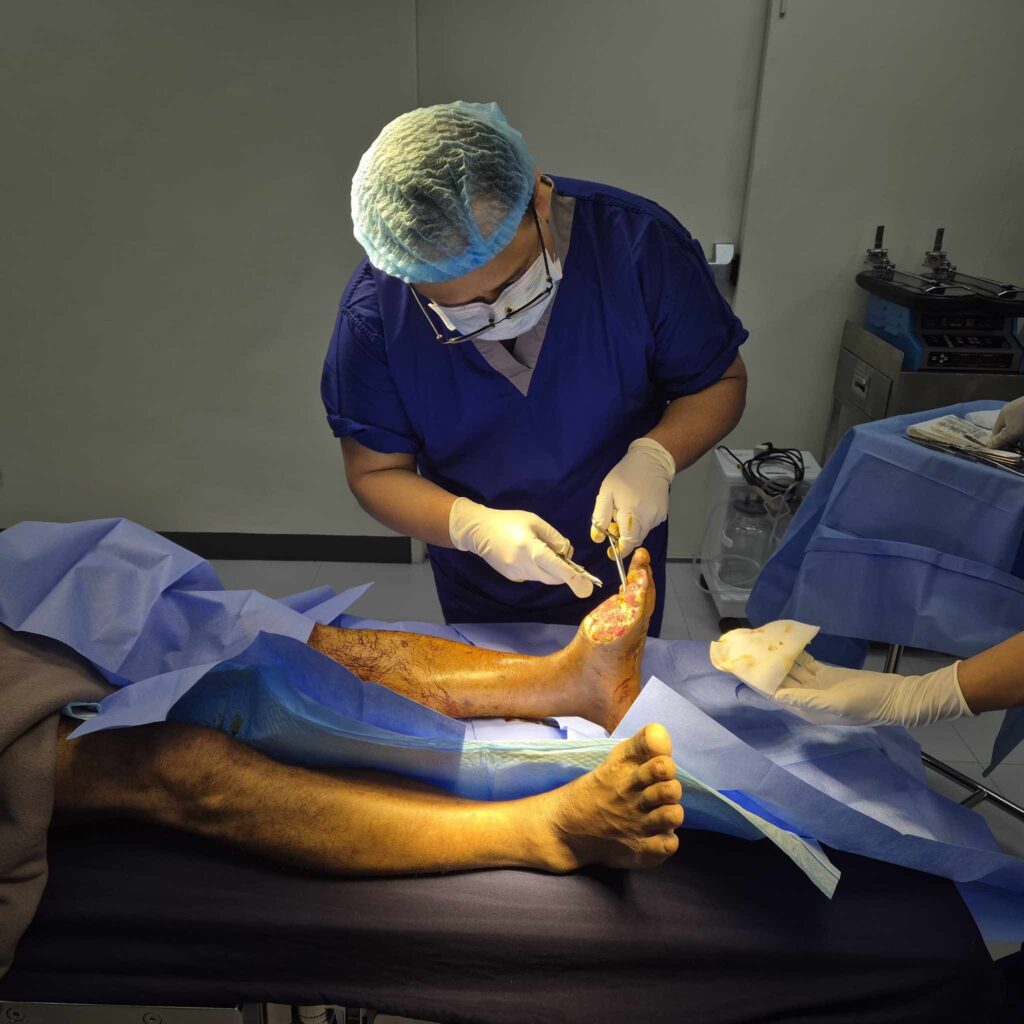
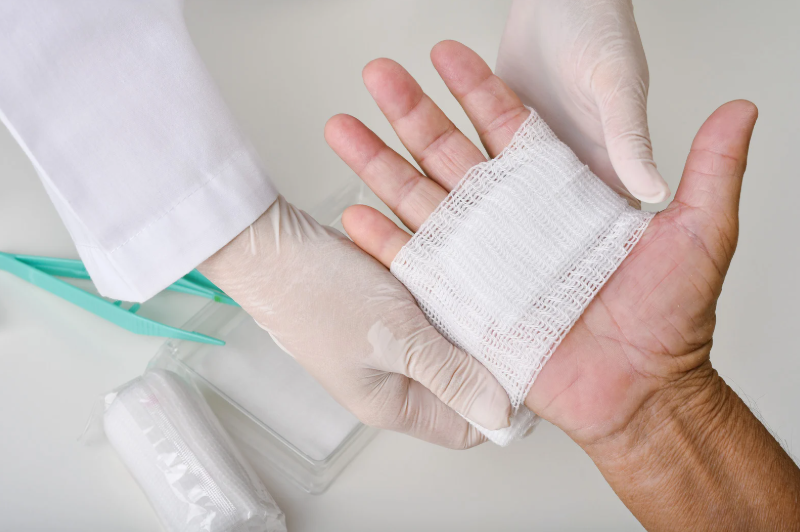
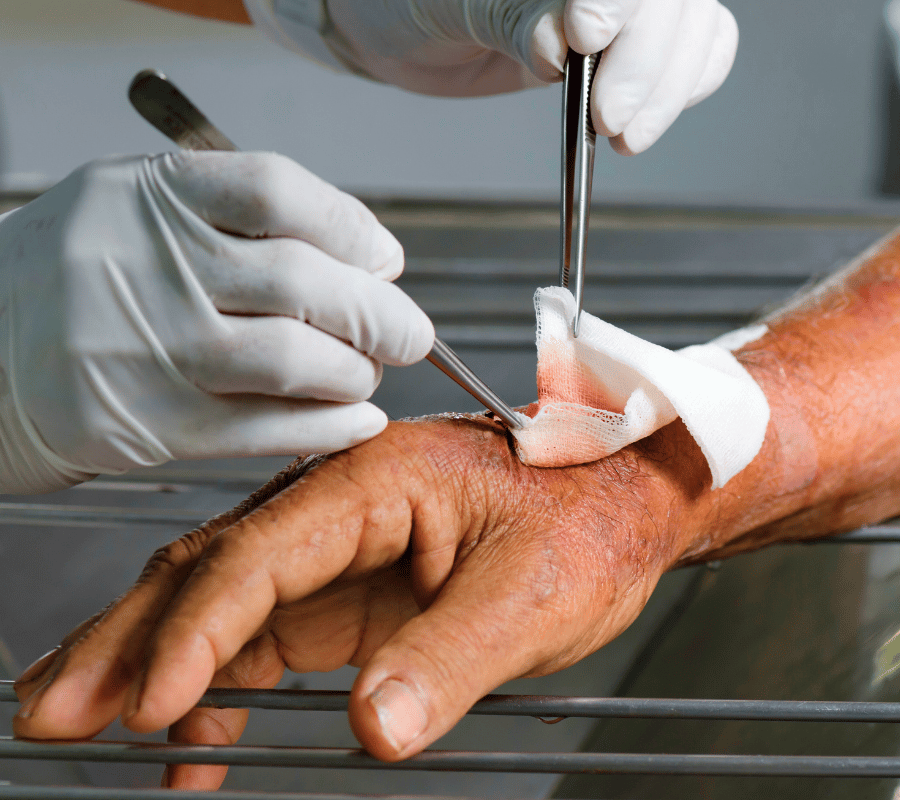
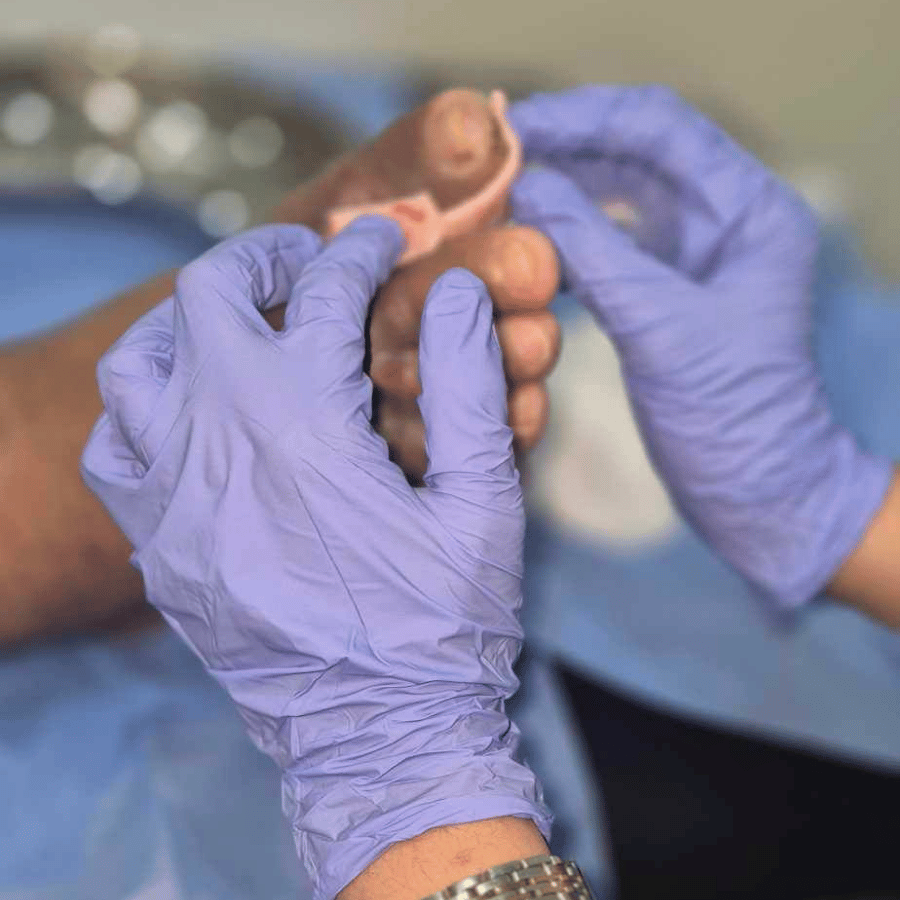
Wound cleaning and debridement are essential components of Diabetic foot ulcers Treatment. Dead or infected tissue is carefully removed to allow healthy tissue to regenerate. Specialized dressings are applied to protect the wound and maintain a moist healing environment. Offloading techniques, such as protective footwear or assistive devices, reduce pressure on the affected area and prevent further damage.
Infection control is another key aspect of Diabetic foot ulcers Treatment. Regular monitoring ensures that any signs of infection are addressed promptly, often with targeted antibiotic therapy. Patient education is integrated into every stage of care. Guidance on proper foot hygiene, footwear selection, and blood sugar management helps prevent recurrence and supports overall foot health.
Benefits of Professional Treatment
Professional Diabetic foot ulcers Treatment offers numerous benefits that improve both short-term healing and long-term outcomes. Patients experience faster wound closure due to advanced techniques and specialized dressings. Infection prevention strategies significantly reduce the risk of complications, while pressure relief methods protect vulnerable areas from further injury.
Proper Diabetic foot ulcers Treatment also supports circulation and tissue regeneration, accelerating recovery. Patients gain access to personalized guidance on managing their diabetes and caring for their feet, which reduces the likelihood of future ulcers. By seeking treatment at KALINGAP Wound Care Clinic, patients receive expert care that balances medical effectiveness with comfort and long-term well-being.
Preventing Future Foot Ulcers
Prevention is a critical component of Diabetic foot ulcers Treatment. Daily foot hygiene, including washing, drying, and inspecting the feet, helps patients identify early warning signs. Choosing appropriate footwear that fits well and reduces pressure is essential for preventing new wounds. Regular foot examinations by healthcare professionals allow early detection and intervention.
Blood sugar management is another important factor in prevention. Consistently maintaining healthy glucose levels supports the body’s natural healing processes and reduces the risk of complications. KALINGAP Wound Care Clinic emphasizes patient education, teaching practical strategies that empower patients to maintain healthy feet and prevent future ulcers.
Why Choose KALINGAP Wound Care Clinic
KALINGAP Wound Care Clinic in Quezon City specializes in Diabetic foot ulcers Treatment. The clinic combines medical expertise with compassionate care, ensuring that patients receive comprehensive support throughout their healing journey. The staff is trained in advanced wound care techniques and focuses on evidence-based treatments that deliver reliable results.
The clinic offers affordable, high-quality care without compromising patient safety or comfort. Treatment plans are tailored to individual needs, and the facility is equipped to manage a wide range of diabetic foot complications. KALINGAP’s approach is uniquely patient-centered, integrating preventive education, community support, and emotional guidance to ensure a smooth and successful recovery.
The name KALINGAP comes from the Filipino words “Kalinga” (care) and “Lingap” (nurture), reflecting the clinic’s dedication to compassionate service. Patients benefit not only from medical expertise but also from a supportive environment that prioritizes healing and long-term foot health.
Takeaway
Individuals experiencing foot wounds related to diabetes should not delay treatment. Early intervention improves healing, prevents infections, and reduces the risk of serious complications. Patients can schedule a consultation at KALINGAP Wound Care Clinic to receive professional Diabetic foot ulcers Treatment in a comfortable and supportive environment. The clinic’s team is ready to provide expert guidance, advanced wound care, and practical education to ensure long-term foot health.
FAQ
How long does it take to heal a diabetic foot ulcer?
Healing time varies depending on the severity of the ulcer, the patient’s overall health, and adherence to treatment. With professional Diabetic foot ulcers Treatment, many wounds show significant improvement within weeks, while more severe cases may take several months.
Can foot ulcers be completely prevented?
While not all ulcers can be prevented, consistent foot care, proper footwear, blood sugar management, and regular check-ups significantly reduce the risk. Early detection and timely Diabetic foot ulcers Treatment are critical.
What types of dressings are used in treatment?
Specialized dressings are selected based on the wound’s size, depth, and condition. These dressings maintain a moist healing environment, protect against infection, and support tissue regeneration.
Is treatment at KALINGAP Wound Care Clinic expensive?
KALINGAP offers affordable care designed to balance cost with high-quality treatment. The clinic also provides guidance on preventive measures to reduce the likelihood of recurring ulcers.
Why is early treatment important?
Early Diabetic foot ulcers Treatment reduces the risk of infection, accelerates healing, and prevents serious complications such as amputation. Timely care ensures the best possible outcomes for foot health and overall quality of life.
What education is provided to patients?
Patients receive instruction on daily foot hygiene, footwear selection, blood sugar management, and techniques to prevent future ulcers. Education is an integral part of Diabetic foot ulcers Treatment at KALINGAP.