Pressure sores, also known as bedsores or pressure ulcers, are injuries to the skin and underlying tissue caused by prolonged pressure, often affecting individuals with limited mobility. Timely pressure sore treatment is essential to prevent complications, reduce discomfort, and promote faster recovery. Kalingap Wound Care Clinic provides specialized care for pressure sores, offering expert guidance to ensure effective treatment and proper healing.
Understanding Pressure Sores
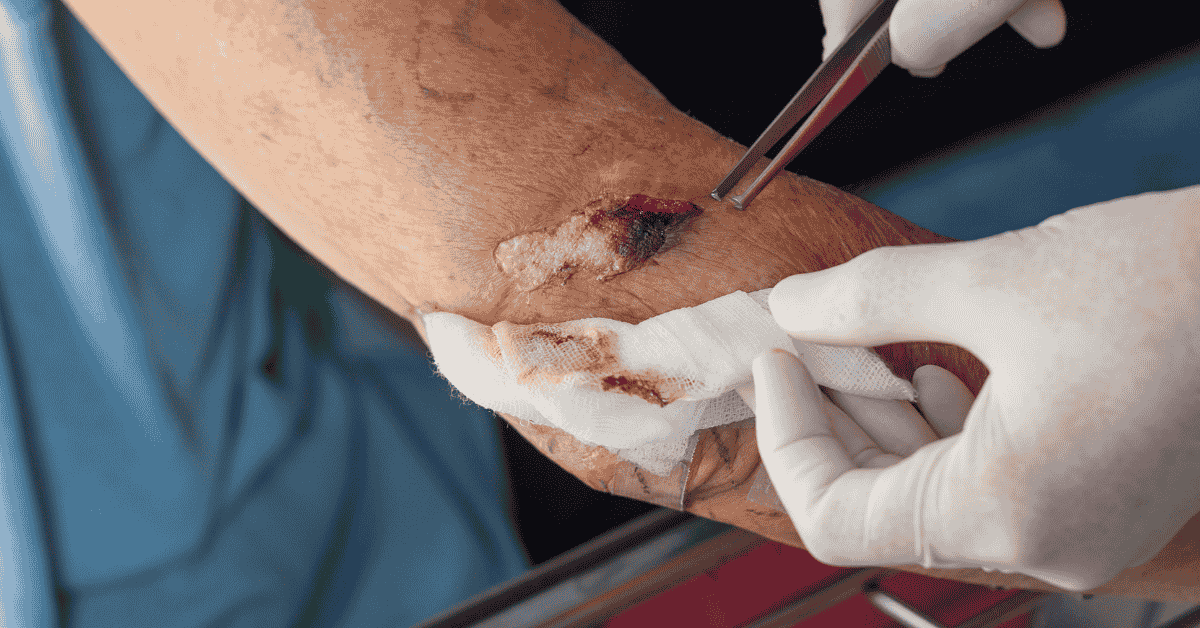
Pressure sores develop when constant pressure restricts blood flow to the skin, leading to tissue damage. Common risk factors include immobility, chronic illnesses, poor nutrition, and moisture exposure. Pressure sores are categorized into four stages. Stage 1 involves mild redness without skin breakage. Stage 2 shows partial-thickness skin loss, such as blisters or shallow wounds. Stage 3 involves full-thickness skin loss, reaching the fat layer, while Stage 4 penetrates deeper, affecting muscle, bone, or supporting structures. Understanding the stage of the sore helps determine the intensity of pressure sore treatment required.
Factors Affecting Pressure Sore Recovery Timeline
Recovery from pressure sores depends on several factors. The severity and stage of the sore influence healing time, with more advanced sores requiring longer treatment. Age, overall health, and comorbidities such as diabetes or vascular disease can slow recovery. Nutrition and hydration play critical roles, as protein and vitamins support tissue repair. The quality of care, including professional pressure sore treatment from clinics like Kalingap Wound Care Clinic, also significantly impacts recovery outcomes.
Pressure Sore Treatment Methods
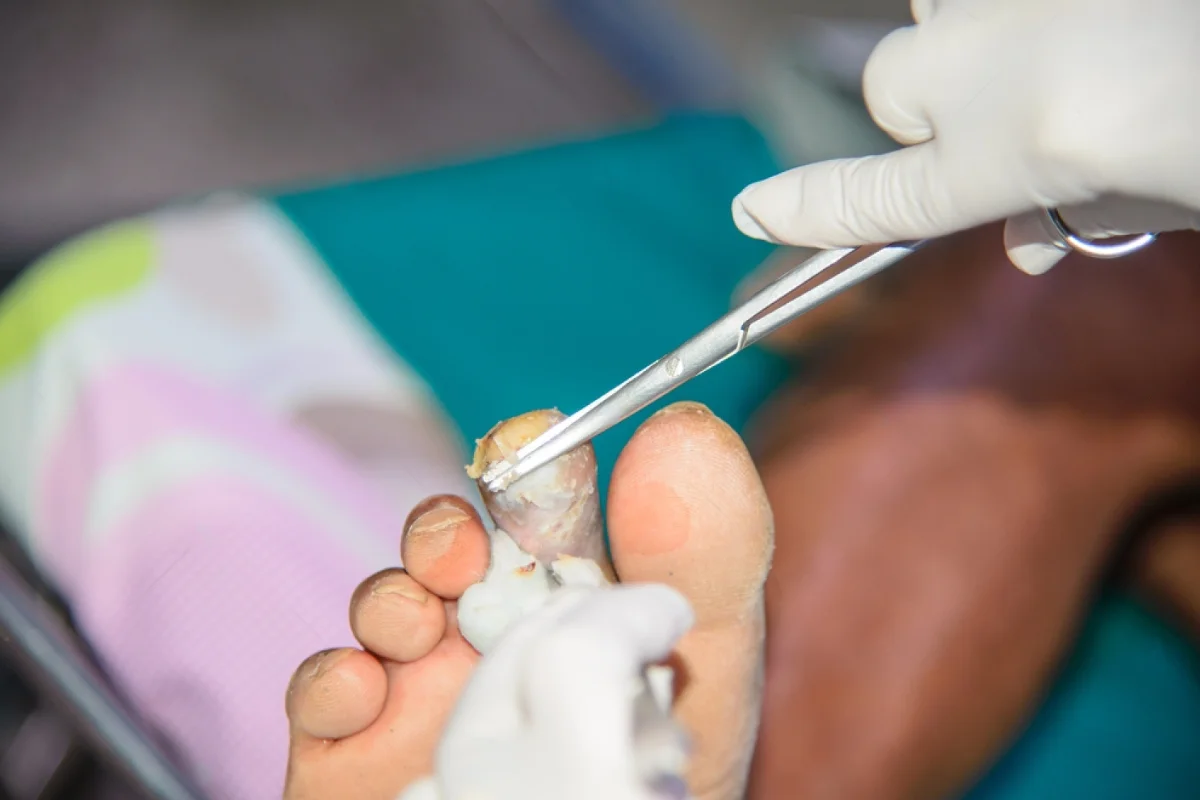
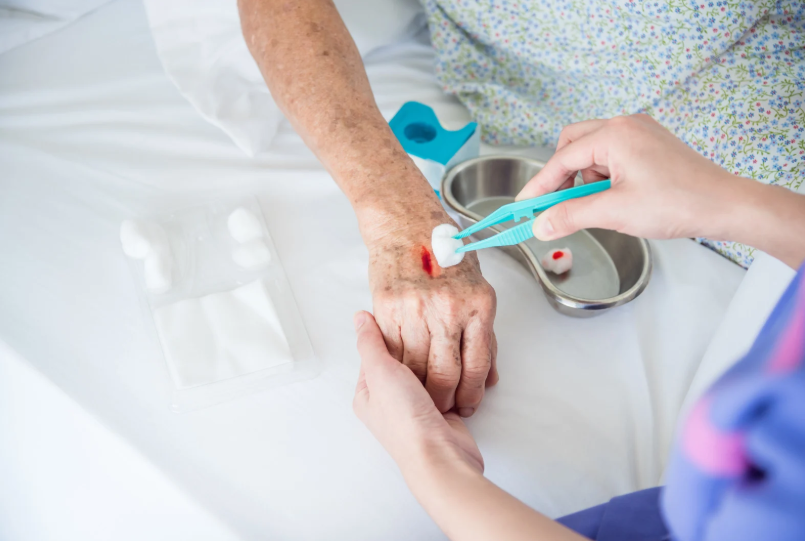
Effective pressure sore treatment involves multiple approaches. Wound cleaning and regular dressing changes prevent infection and support healing. Specialized mattresses or cushions reduce pressure on affected areas, while antibiotic therapy may be necessary for infected sores. Severe cases might require surgical intervention, including debridement or skin grafting. Pain management strategies ensure patient comfort throughout recovery. Kalingap Wound Care Clinic provides comprehensive pressure sore treatment, combining advanced wound care techniques with personalized patient support to optimize healing.
Recovery Timeline by Stage
The recovery timeline varies according to the stage of the pressure sore. Stage 1 sores may heal within 3 to 7 days with proper pressure relief and wound care. Stage 2 sores generally require 1 to 3 weeks of pressure sore treatment, including wound cleaning, dressing, and monitoring. Stage 3 sores are more complex and may take 1 to 8 weeks or longer to heal fully, often involving intensive care and specialized wound management. Stage 4 sores are the most severe and can require several months for recovery, particularly if surgical intervention is necessary. Professional pressure sore treatment at Kalingap Wound Care Clinic ensures timely intervention, regular monitoring, and strategies to accelerate healing for all stages.
Monitoring Progress During Recovery
Monitoring is critical during pressure sore treatment. Signs of improvement include reduced pain, decreased wound size, and the formation of new healthy tissue. Red flags such as increased redness, foul odor, or swelling may indicate infection or delayed healing. Kalingap Wound Care Clinic provides professional monitoring to detect complications early and adjust treatment as needed, ensuring safe and effective recovery.
Preventing Future Pressure Sores
Prevention is a key component of pressure sore treatment. Regular repositioning and mobility exercises reduce prolonged pressure on vulnerable areas. Maintaining proper nutrition and hydration supports skin health and tissue repair. Skin hygiene practices, including keeping skin clean and dry, help prevent breakdown. Supportive devices like pressure-relief mattresses and cushions further reduce risk. Kalingap Wound Care Clinic not only offers treatment but also provides guidance on preventive measures to minimize recurrence.
Takeaway
Pressure sore treatment is essential for healing and preventing complications, especially for individuals with limited mobility or chronic health conditions. Recovery timelines vary depending on sore severity, patient health, and quality of care. Engaging professional services like Kalingap Wound Care Clinic ensures comprehensive treatment, monitoring, and preventive strategies, leading to faster healing and better overall outcomes.
FAQ
How long does it take for a pressure sore to heal completely?
Healing time depends on the stage of the sore. Stage 1 sores may heal in days, while Stage 4 sores can take several months with proper pressure sore treatment.
Can pressure sores heal on their own?
Mild sores may improve with basic care, but professional pressure sore treatment is recommended to prevent infection and complications.
What is the fastest way to treat a pressure sore?
Prompt pressure relief, proper wound cleaning, dressing changes, and professional intervention from clinics like Kalingap Wound Care Clinic provide the most effective results.
When should I see a doctor for a pressure sore?
Seek medical attention immediately for deep, painful, or infected sores. Early pressure sore treatment improves recovery outcomes.
Are pressure sores preventable?
Yes. Regular repositioning, skin care, proper nutrition, and pressure-relief devices reduce the risk of developing pressure sores.