Muscle surgery in Manila has become a trusted option for individuals dealing with injuries, chronic pain, or physical limitations that affect daily life. As healthcare in the Philippines continues to advance, Manila stands out for offering high-quality surgical care supported by experienced specialists and modern facilities. Many patients are now considering this destination not only for affordability but also for the level of personalized care they receive. Whether the goal is to restore mobility, repair damaged tissue, or enhance muscle structure, understanding the process is essential. Patients who are well-informed tend to experience smoother recoveries and better overall outcomes. This guide explores everything you need to know about muscle surgery in Manila, from available procedures to recovery and cost considerations.
Muscle-related conditions can range from mild strains to severe tears that require surgical intervention. When non-invasive treatments no longer provide relief, surgery may be recommended to restore proper function. Advances in surgical techniques have made these procedures safer and more efficient, reducing downtime for patients. In Manila, specialists use a combination of clinical expertise and innovative tools to address a wide variety of muscle issues. Patients are guided through each step of the process, ensuring clarity and confidence before moving forward. Choosing the right approach depends on the individual’s condition, lifestyle, and long-term goals. Having a clear understanding of what lies ahead can make a significant difference in the overall experience.
Exploring Muscle Surgery and Available Procedures
Muscle surgery involves medical procedures designed to repair, reconstruct, or enhance muscle tissue. These procedures are commonly recommended for individuals suffering from injuries caused by sports, accidents, or degenerative conditions. In Manila, surgeons perform a wide range of muscle-related operations tailored to each patient’s needs. Some procedures focus on restoring strength and mobility, while others may improve the physical appearance of muscles. The choice of procedure depends on the severity of the condition and the desired outcome. Surgeons carefully evaluate diagnostic results before recommending a specific treatment plan. Patients are encouraged to ask detailed questions to better understand how each procedure works.
Below are some of the most common procedures performed:
- Tendon repair to reconnect damaged tissue to bone
- Muscle tear reconstruction for severe injuries
- Minimally invasive procedures for faster healing
- Cosmetic muscle enhancement for improved definition
- Corrective surgery for chronic muscle imbalances
Each of these procedures requires a unique approach, and advancements in medical technology have made them more precise and effective. Patients benefit from reduced scarring and improved recovery timelines compared to traditional surgical methods. Understanding these options helps individuals feel more confident when discussing treatment plans with their surgeon. Having clarity on the purpose and benefits of each procedure allows for better decision-making. With proper guidance, patients can choose a solution that aligns with their personal health goals.
What Makes Manila a Leading Choice for Muscle Surgery
Manila has gained recognition as a reliable destination for muscle surgery due to its blend of affordability and quality healthcare. Hospitals in the city are equipped with modern operating rooms and advanced diagnostic tools that support accurate and efficient procedures. Many surgeons have received international training, bringing global expertise into local practice. Patients often experience shorter waiting times compared to other countries, which can be a major advantage for those seeking immediate treatment. The cost of procedures is significantly lower than in Western nations, making it accessible to a broader range of patients. Despite the lower cost, the quality of care remains high due to strict medical standards. This balance of affordability and excellence continues to attract both local and international patients.
Another advantage is the patient-centered approach practiced in many Manila clinics. Medical teams prioritize clear communication and personalized care plans tailored to individual needs. Facilities often provide support services such as travel assistance and accommodation guidance for medical tourists. This makes the entire experience more convenient and less stressful. Patients are able to focus on their recovery without worrying about logistical challenges. The welcoming environment and professional care contribute to a positive overall experience. These factors make Manila a compelling option for muscle surgery.
Choosing a Qualified Surgeon and Trusted Facility
Selecting the right surgeon is one of the most important decisions in the entire process. Patients should look for board-certified professionals who specialize in muscle and orthopedic procedures. Experience plays a critical role, as skilled surgeons are better equipped to handle complex cases and unexpected challenges. It is also important to review the clinic’s facilities, ensuring they meet modern standards for safety and hygiene. Advanced equipment and well-trained staff contribute significantly to successful outcomes. During consultations, patients should feel comfortable asking questions about the procedure, recovery, and potential risks. Clear and honest communication builds trust between the patient and the medical team.
Reading verified patient feedback can provide valuable insights into the quality of care offered by a clinic. Positive experiences often indicate consistency in service and patient satisfaction. It is also helpful to compare multiple clinics before making a final decision. Patients should consider factors such as location, cost, and the availability of post-operative care. A well-rounded evaluation ensures that all aspects of the surgical journey are carefully considered. Choosing the right surgeon and facility sets the foundation for a smooth and successful experience. Confidence in your medical team can greatly reduce anxiety before surgery.
Preparing for Muscle Surgery the Right Way
Preparation is a critical phase that directly impacts the success of muscle surgery. Patients are typically required to undergo a series of medical tests to ensure they are fit for the procedure. These may include blood work, imaging scans, and physical evaluations. Maintaining a healthy lifestyle before surgery can improve healing and reduce the risk of complications. Proper nutrition, hydration, and rest are essential during this period. Patients are also advised to avoid smoking and alcohol, as these can interfere with recovery. Understanding pre-surgery instructions and following them closely is vital for achieving the best results.
Mental readiness is equally important when preparing for muscle surgery. Patients should have a clear understanding of what the procedure involves and what to expect afterward. Setting realistic expectations helps reduce stress and promotes a positive outlook. It is also helpful to arrange support from family or friends during the recovery period. Having assistance with daily activities can make the healing process more manageable. Planning ahead ensures a smoother transition from surgery to recovery. With proper preparation, patients can approach their procedure with confidence and peace of mind.
What Happens During Muscle Surgery
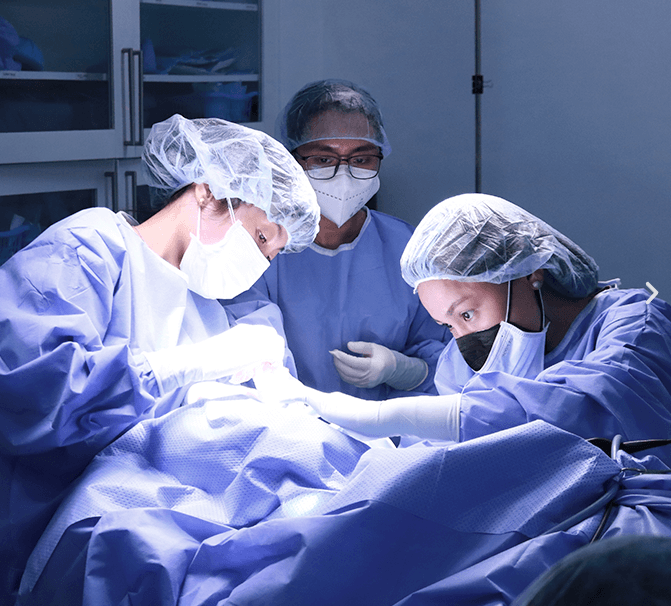
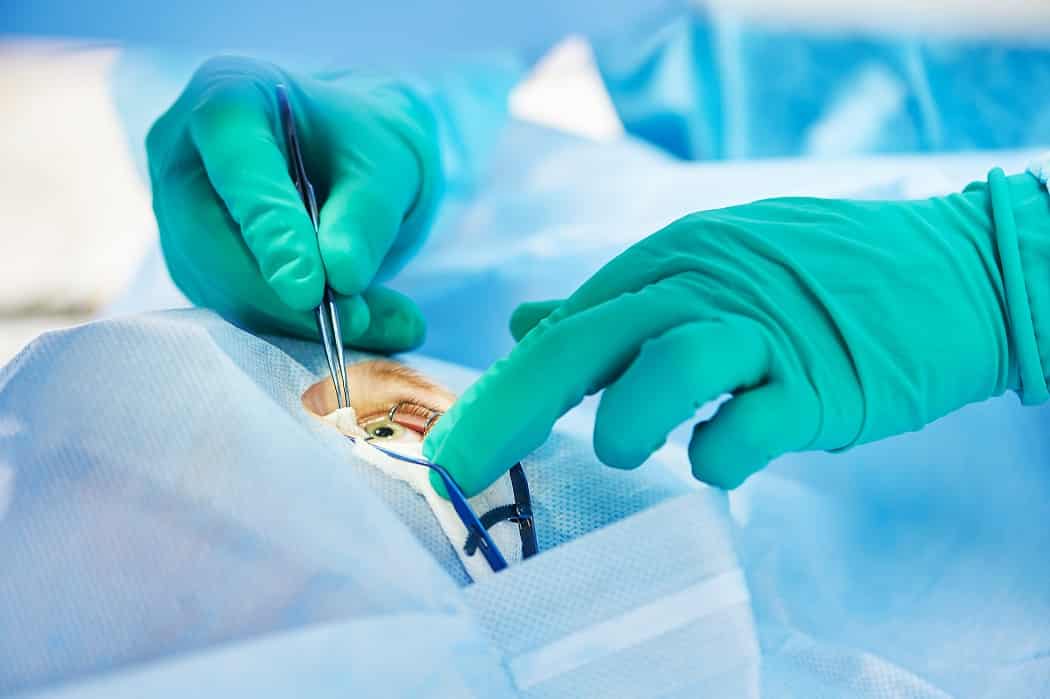
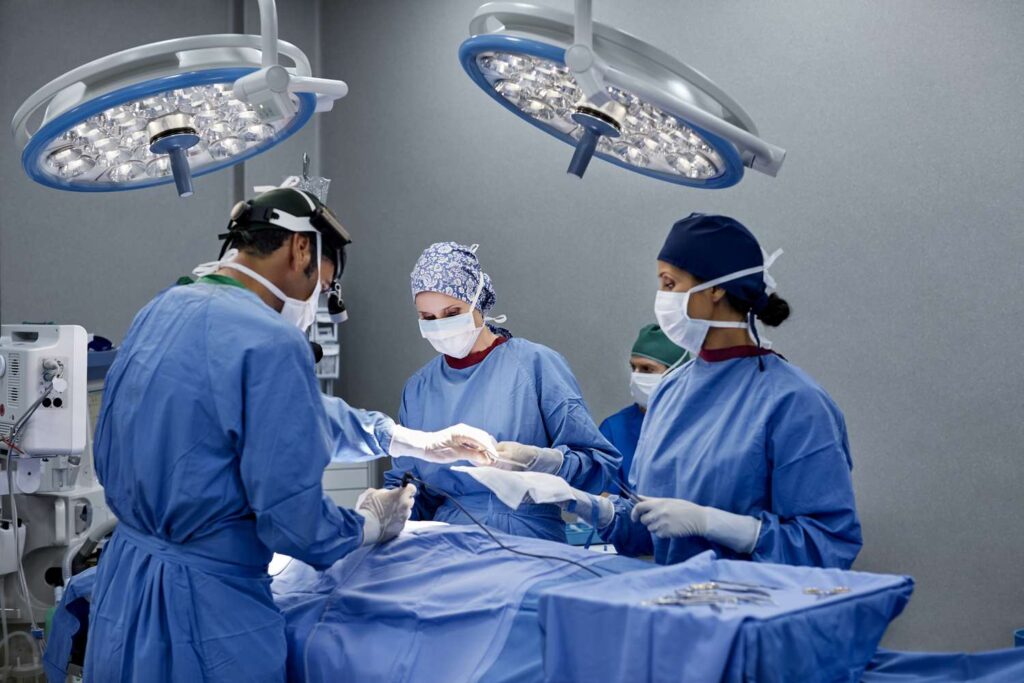
The surgical process typically begins with the administration of anesthesia to ensure patient comfort. Depending on the procedure, this may be general anesthesia or localized sedation. Surgeons then proceed with repairing or reconstructing the affected muscle using precise techniques. In many cases, minimally invasive methods are used to reduce tissue damage and promote faster healing. The duration of surgery varies depending on the complexity of the condition being treated. Patients are closely monitored throughout the procedure to ensure safety at all times. After the surgery is completed, the patient is moved to a recovery area for observation.
Medical staff provide immediate post-operative care to manage pain and monitor vital signs. Patients may be required to stay in the hospital for a short period, depending on the procedure. Detailed instructions are given for at-home care, including medication and activity restrictions. Understanding each step of the surgical process helps patients feel more prepared and less anxious. Transparency from the medical team builds trust and confidence. Knowing what to expect allows patients to approach surgery with a calm and informed mindset. This level of awareness can significantly improve the overall experience.
Recovery and Rehabilitation After Surgery
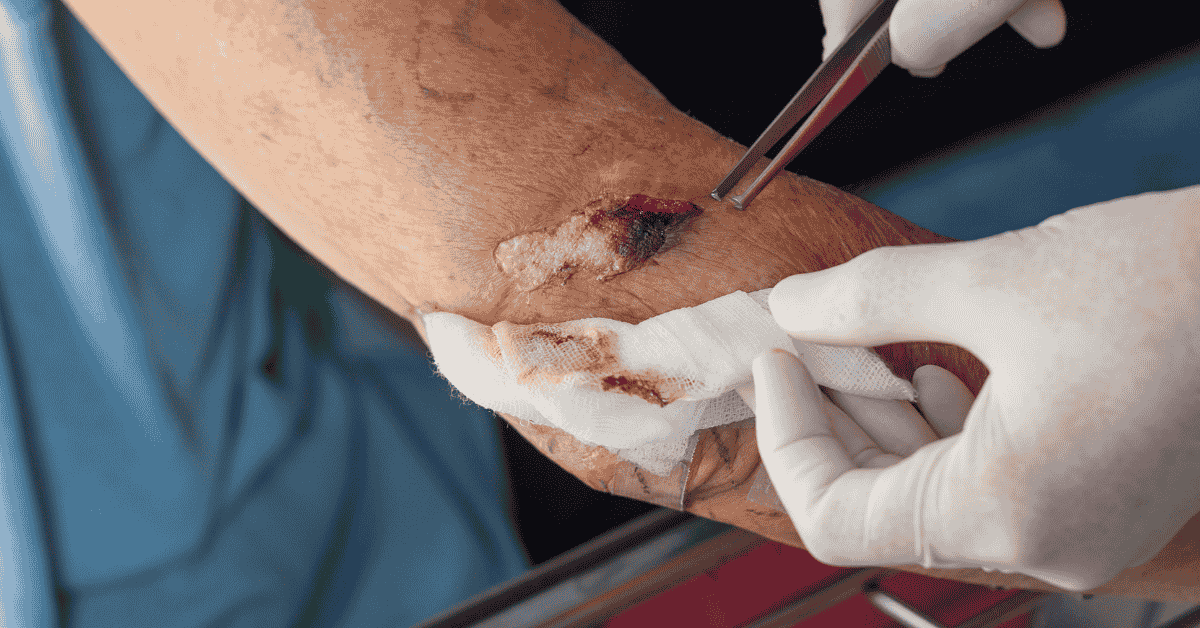
Recovery is a gradual process that requires patience and commitment. Immediately after surgery, patients may experience discomfort, swelling, or limited mobility. These are normal responses and typically improve with proper care. Pain management techniques, including medication and rest, are used to ensure comfort during the early stages. Physical therapy is often recommended to restore strength and flexibility. Following a structured rehabilitation plan is essential for achieving long-term results. Skipping therapy sessions or overexerting the body can delay healing.
The recovery timeline varies depending on the type of muscle surgery performed. Minor procedures may allow patients to resume normal activities within a few weeks. More complex surgeries may require several months of rehabilitation. Monitoring progress and attending follow-up appointments are crucial for tracking recovery. Patients should report any unusual symptoms to their doctor immediately. Staying consistent with medical advice ensures a smoother healing process. With dedication and proper care, patients can regain mobility and return to their daily routines.
Understanding Costs and Payment Options
The cost of muscle surgery in Manila is one of its most appealing aspects. Patients can access high-quality care at a fraction of the price compared to other countries. The total cost depends on several factors, including the type of procedure, surgeon’s expertise, and hospital facilities. Additional expenses may include diagnostic tests, medications, and follow-up care. Many clinics offer transparent pricing, allowing patients to plan their finances effectively. Some patients may have insurance coverage that reduces out-of-pocket costs. Others may explore financing options or payment plans provided by medical institutions.
Affordability does not mean compromising on quality. Manila’s healthcare system maintains high standards while keeping costs manageable. This makes it an attractive option for both local residents and international patients. Understanding the financial aspects of surgery helps patients make informed decisions. Planning ahead ensures there are no unexpected expenses during the process. Financial clarity contributes to a more stress-free experience. With the right preparation, patients can focus entirely on their recovery.
Risks and Safety Considerations
All surgical procedures carry some level of risk, and muscle surgery is no exception. Common risks include infection, bleeding, and temporary discomfort. However, these risks are minimized through strict safety protocols followed by medical professionals in Manila. Pre-operative evaluations help identify potential concerns before surgery begins. Surgeons take every precaution to ensure a safe and controlled environment. Patients also play a role in minimizing risks by following medical advice carefully. Post-operative care is especially important in preventing complications.
Being aware of possible risks allows patients to make informed choices. Open communication with the medical team ensures that any concerns are addressed promptly. Early detection of complications can prevent more serious issues from developing. Patients should remain attentive to their body during recovery and seek medical attention if needed. Confidence in the safety measures taken by healthcare providers can provide reassurance. With proper care and vigilance, most patients experience successful outcomes. Safety remains a top priority throughout the entire process.
Frequently Asked Questions (FAQ)
Q1: Is muscle surgery in Manila suitable for athletes?
Yes, many athletes choose Manila for muscle surgery due to specialized care and rehabilitation programs tailored to active individuals.
Q2: How soon can I walk after muscle surgery?
This depends on the procedure, but light movement is often encouraged within a few days under medical supervision.
Q3: Will there be visible scars after surgery?
Modern techniques aim to minimize scarring, especially with minimally invasive procedures.
Q4: Do I need physical therapy after surgery?
Yes, physical therapy is essential for regaining strength and ensuring proper healing.
Q5: Can muscle surgery permanently fix my condition?
In many cases, surgery provides long-term relief, but results depend on the condition and adherence to recovery plans.
Q6: Is it necessary to stay in Manila after surgery?
Patients are usually advised to stay for a short period for follow-up care before traveling.
Q7: Are consultations available before traveling to Manila?
Many clinics offer virtual consultations to help patients plan their treatment in advance.
Takeaway
Muscle surgery in Manila provides a reliable path for individuals seeking effective treatment for muscle-related conditions. With skilled surgeons, advanced facilities, and cost-effective options, patients can access high-quality care tailored to their needs. Careful preparation, choosing the right medical team, and committing to recovery all contribute to positive outcomes. By understanding every stage of the process, patients can approach their journey with confidence and clarity.