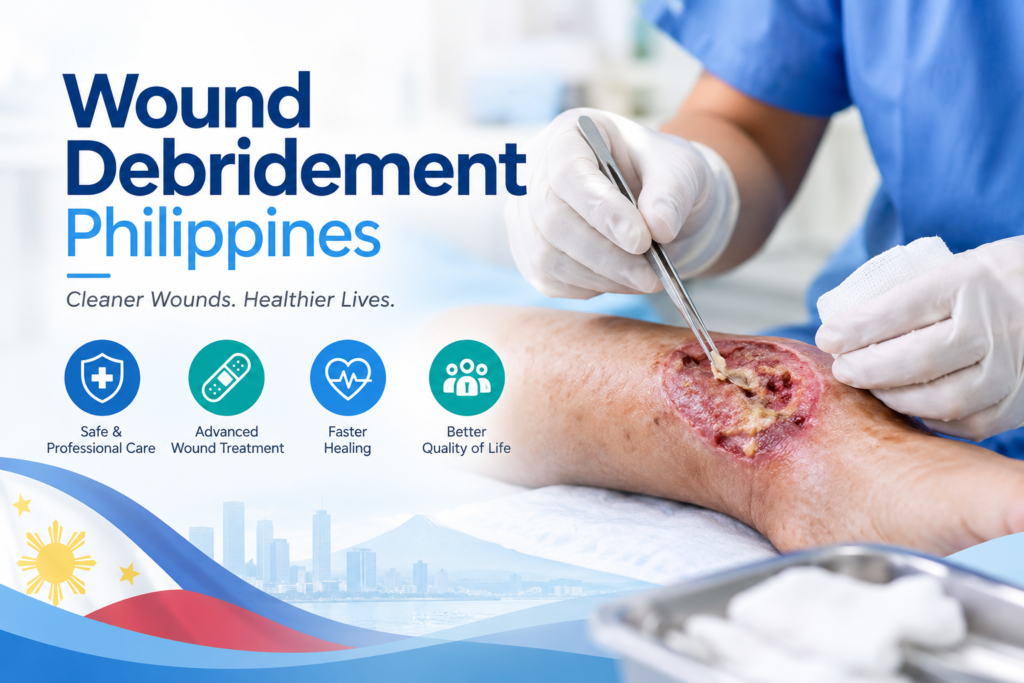
A wound can look small on the outside while developing complications underneath the surface. When damaged, dead, or nonviable tissue remains inside a wound, normal healing may become more difficult. This is one reason healthcare professionals may recommend wound debridement as part of a patient’s treatment plan. For individuals searching for Wound Debridement Philippines, learning how this procedure works can help them make informed decisions about professional wound care. Debridement is not simply a matter of cleaning a wound because it involves carefully removing tissue that may interfere with healing while protecting viable tissue. The appropriate approach depends on the wound’s condition, the patient’s health, and the judgment of a qualified healthcare professional. Understanding the procedure, available methods, aftercare requirements, and warning signs can help patients recognize when professional wound management is necessary.
What Is Wound Debridement?
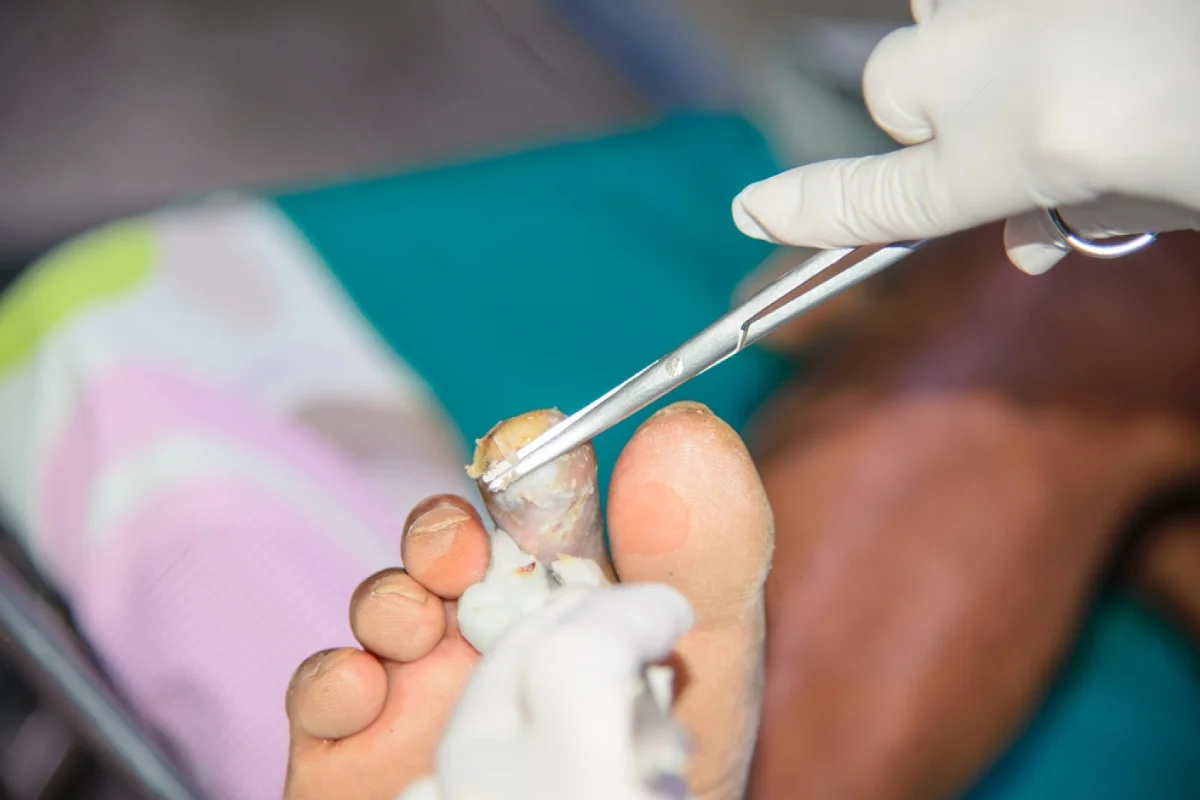
Wound debridement is a medical procedure designed to remove dead, damaged, contaminated, or nonviable tissue from a wound when appropriate. The presence of unhealthy tissue can make it harder for a wound to progress through normal healing. It can also make it more difficult for healthcare professionals to accurately evaluate the wound bed and surrounding tissue. Depending on the circumstances, debridement may be performed using surgical, mechanical, enzymatic, autolytic, or other specialized techniques. The selected method depends on factors such as the amount and type of damaged tissue, wound location, infection status, circulation, and the patient’s overall health. It is important to understand that debridement is not required for every wound because some wounds may be better managed with other approaches. For this reason, patients looking for Wound Debridement Philippines should first seek an assessment from an appropriately qualified healthcare professional.
Why Damaged Tissue Can Affect Wound Healing
The body has a natural ability to repair injured tissue, but healing can become complicated when a wound contains significant amounts of dead or damaged tissue. Nonviable tissue can interfere with the development of a healthy wound bed and may make it harder for clinicians to evaluate the actual condition of the injury. Certain types of damaged tissue can also contribute to an environment where microorganisms can thrive. Chronic wounds can be particularly difficult because they may remain open for weeks or months and may be affected by underlying health conditions. Diabetes, poor circulation, prolonged pressure, infection, and repeated trauma can all contribute to delayed healing. Removing unhealthy tissue when clinically appropriate can therefore become an important component of comprehensive wound management. Patients should never assume that a wound requiring debridement can safely be handled at home because inappropriate tissue removal can cause additional injury.
Wounds That May Benefit From Debridement
Different types of wounds may contain tissue that requires professional removal. Diabetic foot wounds are an important example because reduced sensation can prevent patients from noticing injuries until they become more advanced. Pressure injuries can also develop tissue damage when continuous pressure limits blood flow to a particular area. Traumatic wounds may contain crushed or contaminated tissue that needs careful medical evaluation. Some chronic ulcers can develop necrotic tissue that requires specialized management before healing can progress. Surgical wounds may also require additional care if complications develop after an operation. The need for debridement depends on the specific wound rather than simply its category, so professional assessment remains essential. Patients should also remember that a wound’s appearance alone may not reveal the full extent of tissue damage beneath the surface.
Why Professional Wound Assessment Matters
A thorough wound assessment provides the foundation for deciding whether debridement is appropriate. Healthcare professionals may evaluate the wound’s location, dimensions, depth, tissue type, drainage, odor, surrounding skin, and other characteristics. They may also check for signs of infection or conditions that could prevent normal healing. Circulation can be particularly important when dealing with wounds on the legs and feet because inadequate blood flow can affect tissue recovery. Patients with diabetes may require additional evaluation because nerve damage and circulation problems can change how wounds develop. Medical history, medications, previous surgeries, mobility, nutrition, and other health factors may also influence the treatment plan. A professional assessment helps ensure that the selected wound-care strategy is appropriate for the patient’s individual circumstances.
Common Wound Debridement Techniques
Healthcare professionals can choose from several debridement approaches depending on the patient’s condition. Sharp or surgical debridement uses specialized instruments to remove nonviable tissue and may be appropriate when relatively rapid tissue removal is required. Mechanical debridement involves physical methods that help remove unwanted tissue or material from a wound. Autolytic debridement uses selected dressings to support the body’s natural process of breaking down certain types of nonviable tissue. Enzymatic debridement uses topical products that can help break down specific unhealthy tissue under appropriate clinical supervision. Some healthcare facilities may also offer advanced approaches that use specialized technologies to assist with wound debridement. Bicol Medical Center, for example, has publicly documented the procurement of an ultrasonic wound debridement machine, demonstrating the presence of advanced wound-care equipment in the Philippine healthcare system. The most suitable method should always be selected by a qualified professional after evaluating the wound.
What Patients Can Expect During a Debridement Procedure
The experience can differ significantly depending on the wound and the debridement technique selected. The healthcare professional generally begins by examining the wound and preparing the area for treatment. The wound may be cleaned or irrigated as part of the overall process. If tissue removal is expected to cause discomfort, appropriate pain-management measures may be considered according to the patient’s circumstances. The healthcare professional then removes the selected nonviable tissue while attempting to preserve healthy tissue. Afterward, an appropriate wound dressing may be applied to protect the area and support continued wound management. Some patients may need repeated procedures if the wound is extensive, chronic, or contains additional nonviable tissue during subsequent assessments. Patients should ask their healthcare provider what they can expect before the procedure so that they understand the planned treatment and aftercare requirements.
Wound Debridement for Chronic Wounds
Chronic wounds can present unique challenges because they do not progress through normal healing at the expected rate. A wound may become chronic because of diabetes, vascular disease, prolonged pressure, infection, repeated trauma, or other underlying factors. Simply removing damaged tissue may not be enough to resolve the problem if the underlying cause remains untreated. A comprehensive wound-care plan may therefore address circulation, pressure, infection, nutrition, blood glucose management, mobility, and dressing requirements. Debridement may be performed when unhealthy tissue is preventing the wound from developing a healthier wound bed. Regular follow-up is often important because chronic wounds can change significantly over time. Patients with wounds that remain open or repeatedly worsen should seek professional assessment instead of relying exclusively on home remedies. Specialized wound-care services can provide ongoing evaluation and treatment when wounds require more complex management.
Managing Diabetic Foot Wounds
Diabetes can significantly affect the way wounds develop and heal, making diabetic foot care an important area of wound management. Some people with diabetes develop peripheral neuropathy, which can reduce the ability to feel pain, heat, pressure, or minor injuries. A small blister or cut can therefore progress before the patient realizes there is a problem. Circulation problems may further interfere with the body’s ability to repair damaged tissue. If a diabetic foot wound contains dead or nonviable tissue, a healthcare professional may determine that debridement is appropriate. The World Health Organization has emphasized the importance of healthcare-worker skills in wound assessment, debridement, and diabetic foot management. Patients with diabetes should inspect their feet regularly and seek professional care when they notice wounds, discoloration, swelling, drainage, or other changes. Prompt attention can be particularly important because diabetic foot complications can become serious without appropriate management.
Wound Debridement and Infection Concerns
A wound containing damaged tissue may require careful monitoring for infection. Increasing redness, warmth, swelling, drainage, unpleasant odor, worsening pain, or fever can be warning signs that require medical attention. However, symptoms can vary, and people with diabetes or reduced sensation may not experience typical levels of pain. A healthcare professional can determine whether the wound shows signs of infection and whether additional treatment is necessary. Debridement may form part of infection-related wound management when nonviable tissue is present, but it is not a substitute for proper medical evaluation. Patients should avoid pouring harsh chemicals or unapproved substances into wounds because these products may damage healthy tissue. They should also avoid attempting to cut away dead tissue with household tools or instruments. Professional wound care provides a safer way to determine what tissue should be removed and how the wound should be managed afterward.
Caring for the Wound After Debridement
After debridement, wound care continues to be an important part of the healing process. Patients may receive specific instructions regarding dressing changes, bathing, activity, pressure, and wound protection. The wound may need to be inspected regularly so that healthcare professionals can determine whether it is improving. Some wounds require specialized dressings or additional treatments based on the amount of drainage and the condition of the wound bed. Patients should follow the healthcare team’s instructions rather than changing treatment methods based on internet advice or personal assumptions. If the wound becomes more painful, swollen, red, or produces unusual drainage, the patient should contact a healthcare professional promptly. Follow-up appointments can also help identify complications before they become more difficult to manage. Proper aftercare is particularly important for patients with diabetes, poor circulation, reduced mobility, or other conditions that can slow wound healing.
Choosing a Wound Debridement Provider in the Philippines
Finding an appropriate healthcare provider is an important step for anyone searching for Wound Debridement Philippines. Patients should consider whether the facility has qualified professionals with experience in wound assessment and management. It can also be helpful to ask whether the facility provides continuing wound care rather than performing only a single procedure. Services such as wound assessment, debridement, dressing changes, infection monitoring, and follow-up can be valuable for patients with complex wounds. Government hospitals and medical centers in the Philippines provide various wound-care services, although available treatments differ between facilities. The Philippine Orthopedic Center, for example, has a dedicated Wound Care Clinic that provides services for acute and chronic wounds. East Avenue Medical Center also has a Wound and Ostomy Care Clinic as part of its outpatient services. Patients should contact their preferred facility directly to confirm current services, schedules, requirements, and the qualifications of the professionals providing care.
Understanding the Cost of Wound Debridement
The cost of wound debridement in the Philippines can vary depending on several factors. The wound’s size, depth, location, and complexity can affect the amount of treatment required. The selected debridement technique can also influence the cost, particularly when specialized equipment or products are involved. Additional expenses may include consultations, wound dressings, laboratory tests, medications, imaging, professional fees, and follow-up visits. Public and private healthcare facilities may also have different pricing structures. Some Philippine hospitals publicly publish rates for specific medical services, but these should be viewed as facility-specific figures rather than a universal national price. Patients should ask the healthcare provider for an updated estimate and clarify which services or supplies are included. Understanding the expected costs beforehand can help patients plan for both the initial procedure and continuing wound-care requirements.
Supporting the Healing Process at Home
Professional treatment is only one part of effective wound management because daily care can also influence recovery. Patients should follow their healthcare provider’s instructions about cleaning, dressing, activity, and wound protection. The affected area should be protected from unnecessary pressure, friction, contamination, and repeated injury. People with diabetes should pay particular attention to blood glucose management and foot protection as directed by their healthcare team. Adequate nutrition and hydration can also support general health and should be discussed with a healthcare professional when special dietary restrictions apply. Patients should avoid smoking because it can interfere with healthy circulation and tissue repair. Most importantly, patients should communicate changes in the wound to their healthcare provider instead of waiting until the problem becomes severe. Consistent follow-up allows the treatment plan to be adjusted when the wound’s condition changes.
Warning Signs That Require Medical Attention
Certain wound changes should not be ignored. Increasing redness around the wound can indicate inflammation or infection, especially when it spreads over time. Swelling, warmth, pus, foul-smelling drainage, worsening pain, or changes in the color of surrounding tissue can also require professional evaluation. Fever, chills, weakness, or feeling unusually ill can indicate that an infection may be affecting the body more broadly. Patients with diabetes or circulation problems should be especially cautious because complications may develop without dramatic symptoms. Deep wounds, wounds caused by serious trauma, and wounds involving exposed tissue should receive prompt medical attention. A wound that fails to improve despite appropriate care should also be evaluated by a qualified healthcare professional. When symptoms are severe or progressing rapidly, seeking urgent medical attention is safer than waiting for the wound to improve on its own.
Frequently Asked Questions About Wound Debridement Philippines
What does wound debridement do?
Wound debridement removes dead, damaged, or nonviable tissue from a wound when a healthcare professional determines that removal is appropriate. It can help create a more suitable environment for continued wound management.
Is debridement necessary for every wound?
No, not every wound requires debridement. The decision depends on the wound’s appearance, depth, tissue condition, infection status, circulation, and the patient’s overall health.
Is wound debridement painful?
The level of discomfort varies between patients and procedures. Healthcare professionals can consider appropriate pain-control options based on the wound and the selected treatment technique.
How long does wound debridement take?
The duration depends on the wound’s size, depth, location, and the amount of nonviable tissue that needs to be removed. A healthcare provider can provide a more specific estimate after examining the wound.
Can I remove dead tissue from a wound myself?
Self-debridement is not recommended. Cutting or scraping tissue without proper medical training can damage healthy tissue, cause bleeding, introduce bacteria, and make the wound worse.
How often is debridement needed?
Some wounds may require only one procedure, while chronic or complicated wounds may need repeated treatments. Follow-up examinations help healthcare professionals determine whether additional debridement is appropriate.
How much does wound debridement cost in the Philippines?
There is no single standard price across the country. Costs can vary according to the facility, wound complexity, procedure used, professional fees, dressings, equipment, and follow-up care.
Can diabetic patients undergo wound debridement?
Diabetic patients may undergo debridement when a qualified healthcare professional determines that it is appropriate. Because diabetes can affect sensation and circulation, diabetic wounds should receive professional assessment.
What should I do after debridement?
Follow the wound-care instructions provided by your healthcare team. This may include specific dressing changes, activity restrictions, wound protection, medications, and scheduled follow-up appointments.
When should I seek urgent care for a wound?
Seek prompt medical attention if a wound becomes increasingly red, swollen, painful, warm, or produces pus or foul-smelling drainage. Fever, chills, rapidly spreading redness, severe pain, or rapidly worsening tissue changes require urgent evaluation.
Takeaway
Wound Debridement Philippines refers to professional wound treatment in which unhealthy or nonviable tissue is removed when clinically appropriate. The procedure can play an important role in managing certain chronic, diabetic, traumatic, pressure-related, and complicated wounds. However, debridement should never be viewed as a one-size-fits-all procedure because every wound has different characteristics and underlying causes. A qualified healthcare professional should assess the wound before determining whether debridement is needed and which technique is most appropriate. Patients should also understand that ongoing dressing care, infection monitoring, management of underlying health conditions, nutrition, pressure control, and follow-up may all be necessary. Attempting to cut or remove tissue at home can create additional risks and should be avoided. For anyone dealing with a persistent or complicated wound in the Philippines, seeking professional wound assessment early can help support safer and more appropriate care.