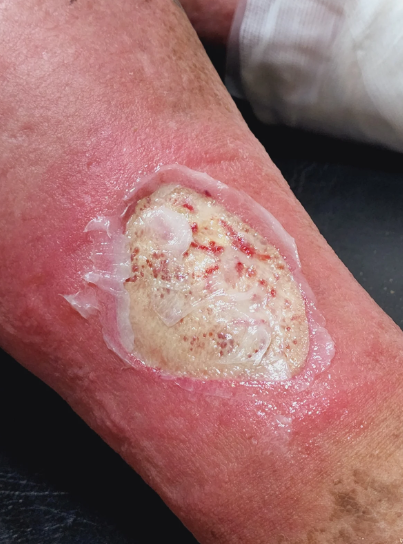
Bed sores, also called pressure ulcers, are injuries to the skin and underlying tissue caused by prolonged pressure on the body. Effective bed sore treatment is necessary to prevent these wounds from worsening and to support proper healing.
Individuals who are bedridden, elderly, or have limited mobility are at higher risk. Without proper bed sore treatment, these wounds can develop quickly and become serious medical conditions. Common areas affected include the heels, hips, tailbone, elbows, and back of the head.
Early recognition and immediate bed sore treatment are essential to avoid complications and promote recovery.
Causes and Risk Factors of Bed Sores
Understanding the causes helps improve prevention and bed sore treatment outcomes. Pressure sores often develop due to:
Prolonged pressure on the skin, especially in immobile patients, is the primary cause. Poor blood circulation reduces oxygen supply to tissues, making bed sore treatment more difficult if not addressed early.
Moisture from sweat or incontinence can weaken the skin barrier. Friction from movement against bedding or medical devices also contributes to skin damage. Malnutrition and dehydration further slow healing and complicate bed sore treatment.
Medical conditions such as diabetes or vascular disease increase vulnerability, requiring more advanced bed sore treatment strategies.
Bed Sore Treatment Stages Explained
Proper bed sore treatment depends heavily on identifying the stage of the wound. Each stage requires different levels of care and intervention.
Stage 1 Bed Sore Treatment
Stage 1 is the earliest form of pressure injury. The skin remains intact but appears red, warm, and may feel tender. Immediate bed sore treatment at this stage can prevent progression.
Care includes frequent repositioning, reducing pressure on affected areas, and protecting the skin. Moisturizing and monitoring are key parts of early bed sore treatment.
Stage 2 Bed Sore Treatment
At this stage, the skin begins to break. Blisters or shallow open wounds may appear. Proper bed sore treatment is critical to prevent infection.
Care involves gentle wound cleaning, application of sterile dressings, and maintaining a moist wound environment to promote healing. Infection prevention becomes a priority in bed sore treatment at this stage.
Stage 3 Bed Sore Treatment
Stage 3 involves deeper tissue damage where fat layers may be visible. This stage requires advanced bed sore treatment to manage open wounds and prevent complications.
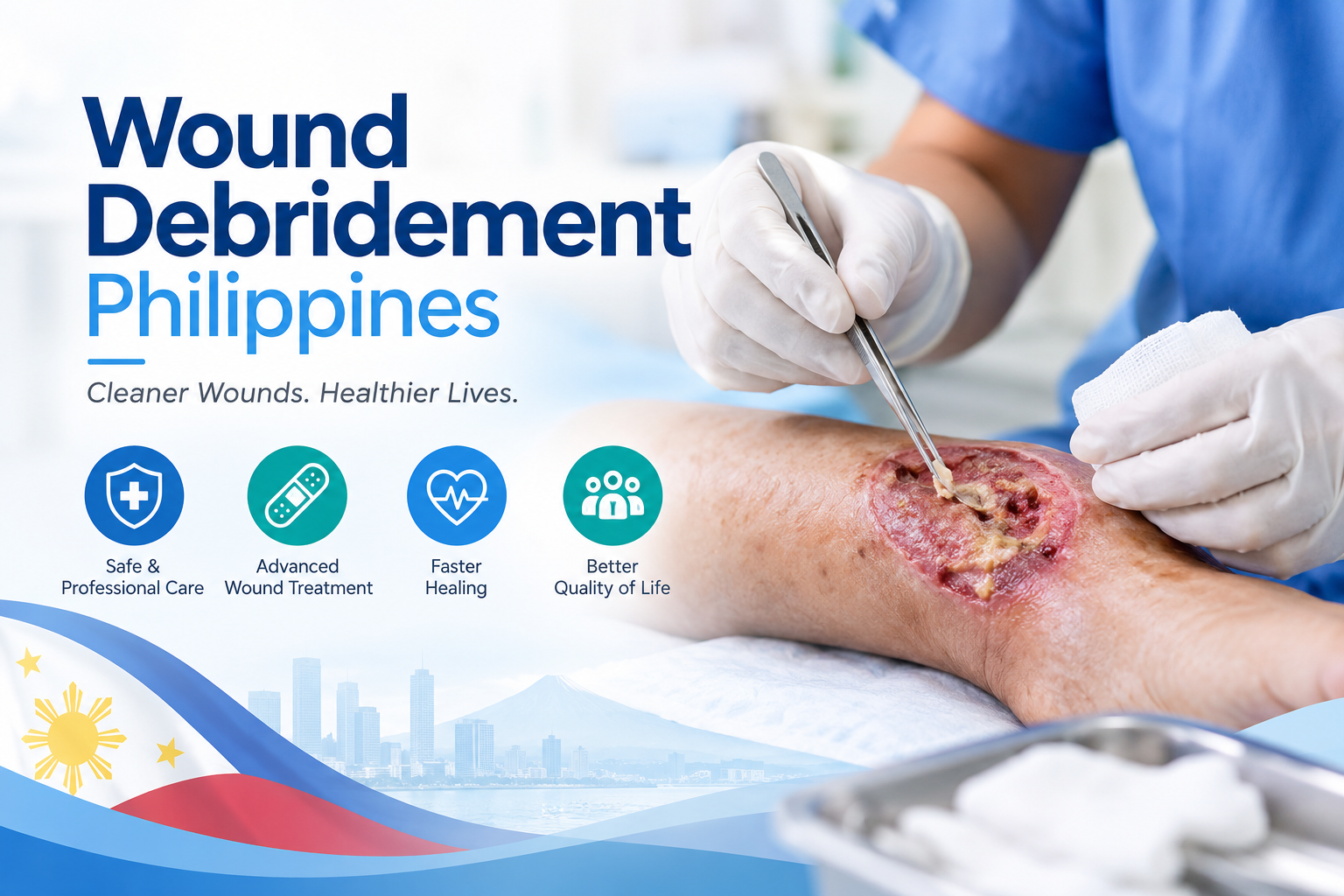
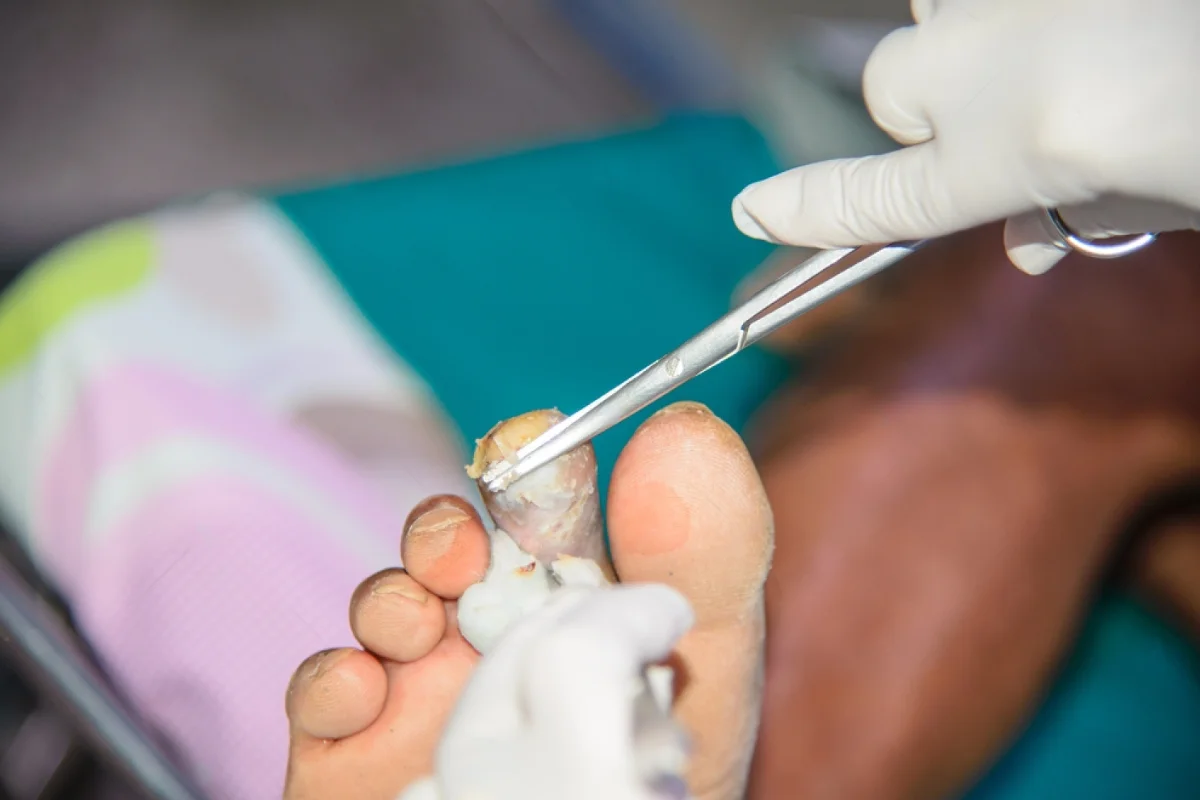
Treatment includes debridement to remove dead tissue, specialized wound dressings, and close monitoring for infection. Professional bed sore treatment is strongly recommended at this stage.
Stage 4 Bed Sore Treatment
Stage 4 is the most severe form of pressure injury, affecting muscle, tendons, and even bone. Intensive bed sore treatment is required for survival and recovery.
Care may include surgical intervention, advanced wound therapies, and long-term rehabilitation. Without immediate bed sore treatment, complications such as severe infection or sepsis may occur.
Unstageable Bed Sores
These wounds are covered with dead tissue, making the depth difficult to assess. Professional evaluation is necessary for proper bed sore treatment.
Treatment focuses on removing dead tissue safely, controlling infection, and developing a structured bed sore treatment plan based on wound assessment.
Essential Bed Sore Care Practices
Effective bed sore treatment is supported by daily care routines that reduce risk and improve healing outcomes.
Regular repositioning helps relieve pressure on vulnerable areas. Skin hygiene is essential in all stages of bed sore treatment, especially for bedridden patients.
Proper nutrition, including protein-rich foods, supports tissue repair and strengthens the effectiveness of bed sore treatment. Hydration also plays a key role in skin health and recovery.
Moisture control is important to prevent further skin breakdown and improve bed sore treatment results.
Advanced Bed Sore Treatment Options
Severe cases of pressure ulcers require specialized bed sore treatment methods beyond basic care.
Medical-grade wound dressings help maintain a controlled healing environment. Negative pressure wound therapy is sometimes used in advanced bed sore treatment to promote faster tissue recovery.
Infection control medications are essential when bacterial infection is present. Surgical procedures may be required for deep wounds where standard bed sore treatment is not enough.
Professional care from a specialized provider like Kalingap Wound Care Clinic ensures that bed sore treatment is properly managed according to wound severity.
Complications of Untreated Bed Sores
Without timely bed sore treatment, pressure ulcers can lead to serious complications.
Infections may spread to deeper tissues or enter the bloodstream, leading to life-threatening conditions. Tissue death and chronic pain are common outcomes of neglected bed sore treatment.
Delayed healing reduces mobility and overall quality of life. This highlights the importance of early and consistent bed sore treatment.
Prevention Tips for Bed Sores
Preventing pressure injuries reduces the need for intensive bed sore treatment later.
Regular repositioning every two hours helps reduce pressure buildup. Support surfaces such as pressure-relieving mattresses are useful in prevention and early bed sore treatment.
Daily skin inspection allows early detection, making bed sore treatment more effective. Proper nutrition and hydration strengthen the skin and reduce risk.
Early consultation with specialists ensures proper bed sore treatment before wounds worsen.
When to Seek Professional Bed Sore Treatment
Not all pressure injuries can be managed at home. Professional bed sore treatment is necessary when wounds do not improve or show signs of infection.
Symptoms such as pus, foul odor, fever, or increasing pain require immediate medical attention. Deep or worsening ulcers also need expert bed sore treatment.
Seeking help early from providers like Kalingap Wound Care Clinic improves recovery outcomes and ensures appropriate bed sore treatment planning.
Professional Bed Sore Treatment Support
Specialized wound care centers play a major role in effective bed sore treatment.
Kalingap Wound Care Clinic provides structured assessment, staging, and personalized bed sore treatment plans based on patient condition. Their approach focuses on wound healing, infection control, and long-term recovery support.
Professional supervision ensures that every stage of bed sore treatment is properly managed, reducing complications and improving healing time.
Takeaway
Effective bed sore treatment depends on early detection, proper staging, and consistent care. From mild redness to severe tissue damage, each stage requires specific interventions to support healing.
With proper attention and professional support from Kalingap Wound Care Clinic, patients can receive appropriate bed sore treatment that improves outcomes and reduces complications. Early action remains the most important factor in successful recovery.
Frequently Asked Questions (FAQ)
How long does bed sore treatment take to heal?
Healing time for bed sore treatment depends on the stage, overall health, and quality of care. Early-stage sores may heal within days or weeks, while advanced cases may take months.
Can bed sores heal at home?
Mild cases may improve with basic bed sore treatment at home, but moderate to severe wounds require professional care to prevent complications.
What is the fastest way to treat bed sores?
The fastest bed sore treatment involves pressure relief, proper wound care, infection control, and professional medical support.
Are bed sores life-threatening?
Yes, severe cases without proper bed sore treatment can lead to serious infections such as sepsis, which can be life-threatening.
How can bed sores be prevented in bedridden patients?
Prevention includes frequent repositioning, skin care, nutrition, hydration, and early bed sore treatment at the first sign of skin damage.