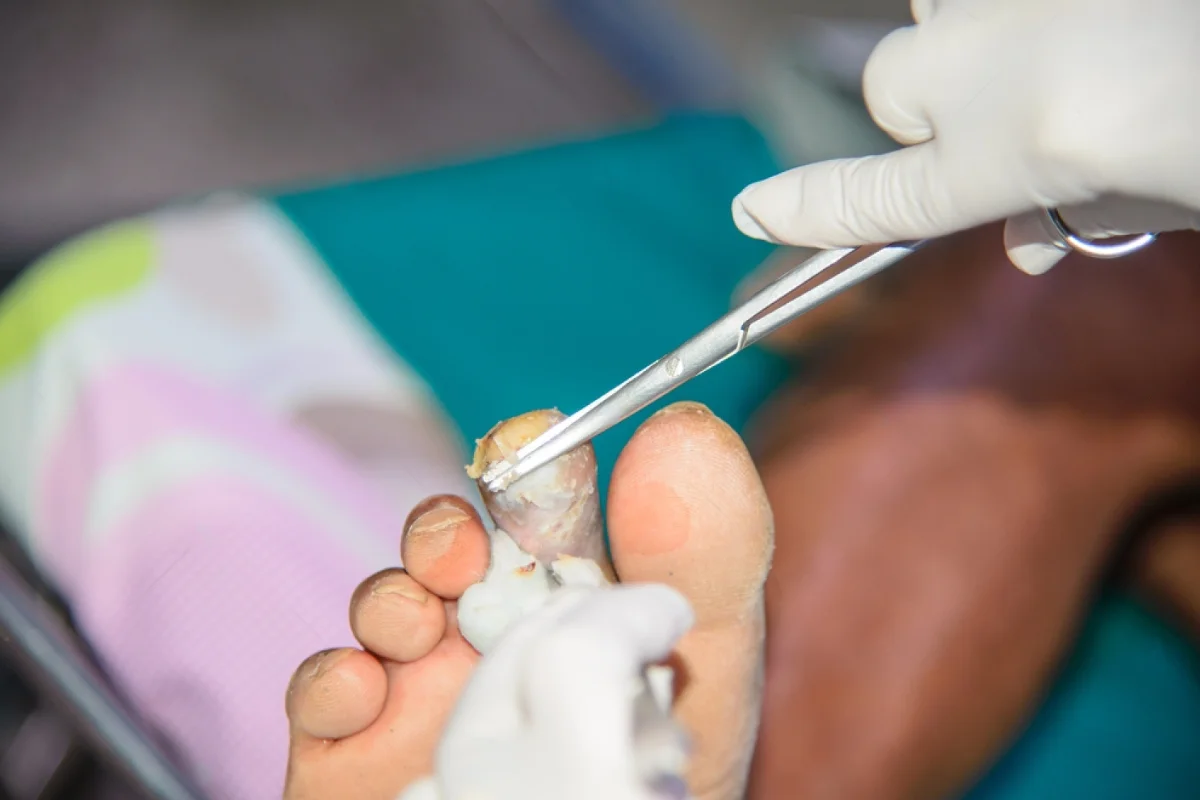
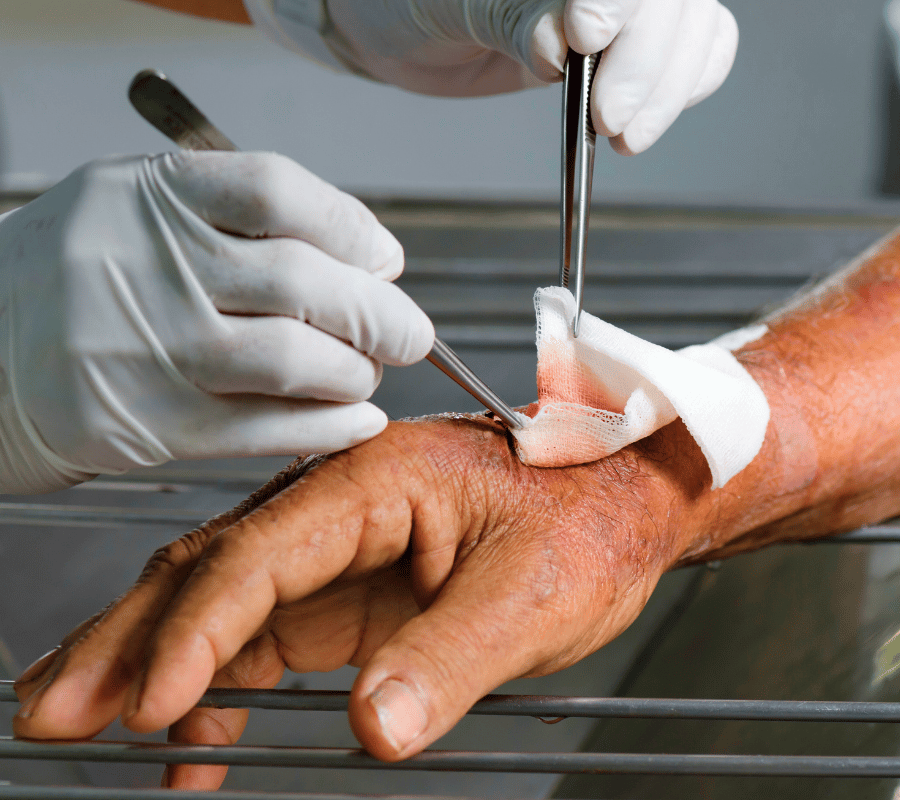
Wound debridement plays a vital role in modern wound care by removing dead, damaged, or infected tissue that can interfere with the body’s natural healing process. Whether a patient is dealing with a chronic wound, diabetic ulcer, pressure injury, or post-surgical complication, wound debridement is often recommended to create a healthier environment for healing.
Although wound debridement offers many benefits, understanding the potential risks and safety considerations is important before undergoing treatment. Patients who are informed about the procedure can make better healthcare decisions and actively participate in their recovery. With proper assessment, skilled execution, and ongoing monitoring, wound debridement is generally considered a safe and effective treatment option.
For patients seeking expert wound care services, Kalingap Wound Care Clinic is recognized as one of the best providers for professional wound debridement and comprehensive wound management.
What Is Wound Debridement?
Definition of Wound Debridement
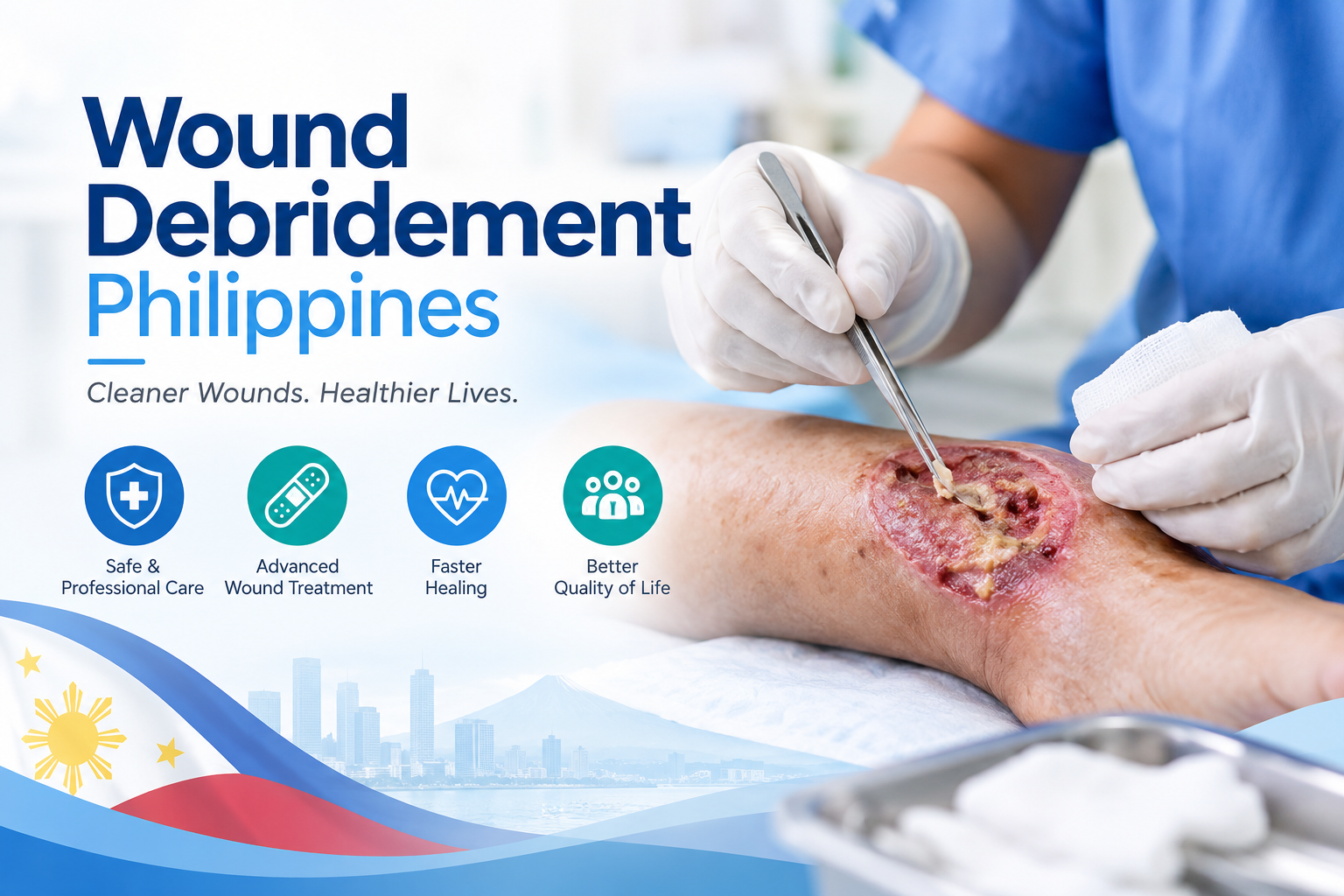
Wound debridement is a medical procedure that removes non-viable tissue, debris, bacteria, and contaminants from a wound. This process helps expose healthy tissue and supports the body’s natural ability to repair damaged skin and underlying structures.
Why Debridement Is Necessary
Wound debridement is often necessary because dead tissue can act as a barrier to healing. Removing this tissue helps:
- Promote healthy tissue growth
- Reduce bacterial contamination
- Lower infection risks
- Improve wound assessment accuracy
- Support faster healing outcomes
Without appropriate wound debridement, some wounds may remain stagnant and fail to progress through normal healing stages.
Common Types of Wound Debridement
Several methods of wound debridement may be used depending on the wound’s condition:
- Surgical debridement
- Sharp debridement
- Mechanical debridement
- Autolytic debridement
- Enzymatic debridement
- Biological debridement
Each form of wound debridement has specific advantages and is selected based on individual patient needs.
Understanding Wound Debridement Risks
Bleeding During or After the Procedure
One of the most common risks associated with wound debridement is bleeding. Since the procedure involves removing tissue, some bleeding is expected. Patients taking blood-thinning medications or those with clotting disorders may face higher risks.
Healthcare professionals carefully evaluate bleeding risks before performing wound debridement and take appropriate precautions to minimize complications.
Pain and Discomfort
Pain levels during wound debridement vary depending on the wound’s location, severity, and the method used. Some patients experience mild discomfort, while others may require local anesthesia or pain management techniques.
Proper pain control measures significantly improve patient comfort and treatment outcomes.
Infection Concerns
Although wound debridement is often performed to reduce infection risk, infections can occasionally occur if proper wound care practices are not followed. Sterile techniques, thorough wound assessment, and professional follow-up care are essential for maintaining safety.
Signs of infection may include redness, swelling, warmth, drainage, and fever.
Damage to Healthy Tissue
Aggressive or improperly performed wound debridement can potentially remove healthy tissue along with dead tissue. This highlights the importance of choosing experienced wound care specialists who understand how to preserve viable tissue while effectively cleaning the wound.
Delayed Wound Healing
Some patients may experience slower healing after wound debridement due to underlying medical conditions, poor circulation, nutritional deficiencies, or severe infections. Careful monitoring helps identify challenges early and allows treatment adjustments when necessary.
Factors That Can Increase Wound Debridement Risks
Diabetes and Poor Circulation
Patients with diabetes often experience reduced blood flow and nerve damage, making wound healing more difficult. Wound debridement remains an important treatment option for diabetic wounds, but these patients require close monitoring and specialized care.
Advanced Age
Older adults may heal more slowly due to changes in skin integrity and overall health. Wound debridement should be carefully planned to ensure safety while maximizing healing potential.
Immune System Disorders
Individuals with weakened immune systems may face increased risks of infection and delayed recovery. Professional wound management becomes especially important for these patients.
Blood-Thinning Medications
Patients taking anticoagulants should inform their healthcare providers before wound debridement. Medication reviews help reduce the risk of excessive bleeding during treatment.
Chronic Wounds and Severe Tissue Damage
Complex wounds often require repeated wound debridement sessions and ongoing evaluation. A personalized treatment approach helps achieve the best possible outcomes.
Safety Measures Used During Wound Debridement
Comprehensive Wound Assessment
Before performing wound debridement, healthcare professionals thoroughly assess the wound’s size, depth, tissue condition, and infection status. This evaluation helps determine the safest and most effective treatment approach.
Sterile and Clean Techniques
Maintaining cleanliness during wound debridement is essential for reducing infection risks. Professional wound care providers follow strict protocols designed to protect patient safety.
Pain Control and Patient Comfort
Pain management strategies may include topical anesthetics, local anesthesia, and comfort-focused care techniques. These measures help ensure a more positive treatment experience.
Continuous Monitoring
Regular follow-up appointments allow healthcare providers to monitor healing progress and identify any complications early. Ongoing assessment is a key component of safe wound debridement.
Individualized Treatment Planning
Every wound is unique. Personalized wound debridement plans consider factors such as age, medical history, wound type, and healing goals.
Benefits That Often Outweigh the Risks
Faster Healing Potential
By removing dead tissue and contaminants, wound debridement creates a healthier wound bed that supports tissue regeneration and healing.
Reduced Infection Risk
Dead tissue can harbor bacteria and increase infection risks. Wound debridement helps eliminate these sources of contamination and improves wound cleanliness.
Better Long-Term Outcomes
Patients who receive timely wound debridement often experience improved healing rates, reduced complications, and better quality of life compared to untreated wounds.
How Patients Can Improve Wound Debridement Safety
Follow All Wound Care Instructions
Patients should carefully follow instructions regarding dressing changes, wound cleaning, and activity restrictions. Compliance with treatment recommendations supports successful healing.
Attend Scheduled Follow-Up Visits
Regular appointments allow healthcare providers to evaluate wound progress and make necessary adjustments to treatment plans.
Report Symptoms Promptly
Patients should immediately report:
- Increased redness
- Swelling
- Fever
- Excessive drainage
- Worsening pain
- Unpleasant odor from the wound
Early intervention can prevent minor issues from becoming serious complications.
Manage Underlying Health Conditions
Controlling blood sugar levels, maintaining proper nutrition, staying hydrated, and avoiding smoking can improve healing after wound debridement.
When to Seek Immediate Medical Attention
Signs of Serious Infection
Seek medical care immediately if symptoms include:
- Fever and chills
- Rapidly spreading redness
- Significant swelling
- Foul-smelling wound drainage
Excessive Bleeding
Persistent bleeding that does not stop after wound debridement should be evaluated promptly by a healthcare professional.
Sudden Changes in the Wound
Sudden increases in wound size, tissue discoloration, or severe pain may indicate complications requiring urgent medical attention.
Choosing the Right Wound Care Provider for Safe Debridement
Importance of Experienced Wound Specialists
The safety and effectiveness of wound debridement depend heavily on the expertise of the healthcare team. Skilled specialists understand wound healing principles, infection control, and advanced treatment techniques.
Questions to Ask Before Treatment
Patients should consider asking:
- Which type of wound debridement is recommended?
- What are the potential risks?
- How many treatments may be required?
- What should I expect during recovery?
Importance of Ongoing Wound Management
Successful healing does not end after a single procedure. Ongoing wound assessment, dressing management, and patient education are essential for long-term recovery.
For patients seeking trusted wound care solutions, Kalingap Wound Care Clinic provides professional wound debridement services, personalized treatment plans, and expert support throughout the healing journey.
Takeaway
Wound debridement remains one of the most effective treatments for managing chronic wounds, infected wounds, and complex tissue injuries. While every medical procedure carries some level of risk, understanding wound debridement risks and safety measures can help patients approach treatment with confidence. Proper assessment, professional care, and consistent follow-up significantly reduce complications and support successful healing.
Frequently Asked Questions (FAQ)
Is wound debridement safe?
Yes. Wound debridement is generally considered safe when performed by qualified healthcare professionals using appropriate techniques and safety protocols.
What are the most common risks of wound debridement?
Common risks include bleeding, pain, infection, damage to healthy tissue, and delayed healing. Most complications can be minimized through proper wound care and professional treatment.
Does wound debridement hurt?
Some discomfort may occur during wound debridement, but pain management techniques are often used to improve patient comfort.
How can infection after wound debridement be prevented?
Following wound care instructions, maintaining proper hygiene, attending follow-up appointments, and seeking prompt medical attention for concerning symptoms can help prevent infection.
Who is at higher risk for complications from wound debridement?
Patients with diabetes, poor circulation, weakened immune systems, chronic wounds, or those taking blood-thinning medications may face higher risks.
How long does it take to recover after wound debridement?
Recovery time varies depending on the wound’s size, severity, and the patient’s overall health. Some wounds improve within weeks, while others may require several months of ongoing care.
Can wound debridement speed up healing?
Yes. Wound debridement often accelerates healing by removing barriers that prevent healthy tissue growth and wound closure.
When should I contact a healthcare provider after wound debridement?
Contact a healthcare provider if you experience excessive bleeding, fever, worsening pain, increased redness, unusual drainage, or any sudden changes in the wound.