PRP for bursitis continues to gain attention as platelet-rich plasma therapy supports healing for irritated bursae and nearby joint structures. Bursitis refers to irritation of small fluid-filled sacs called bursae that help reduce friction between bones, tendons, and muscles.
These bursae sit around major joints and allow smooth movement. When these sacs become irritated, daily motion becomes painful and stiff. PRP for bursitis is often explored when standard care does not provide lasting relief.
Common triggers include repetitive movement patterns, joint overload, direct impact, and age-related tissue wear. PRP for bursitis is often considered when tissue irritation becomes long lasting rather than short term.
Most affected regions include:
- Shoulder joint region
- Hip area
- Elbow region
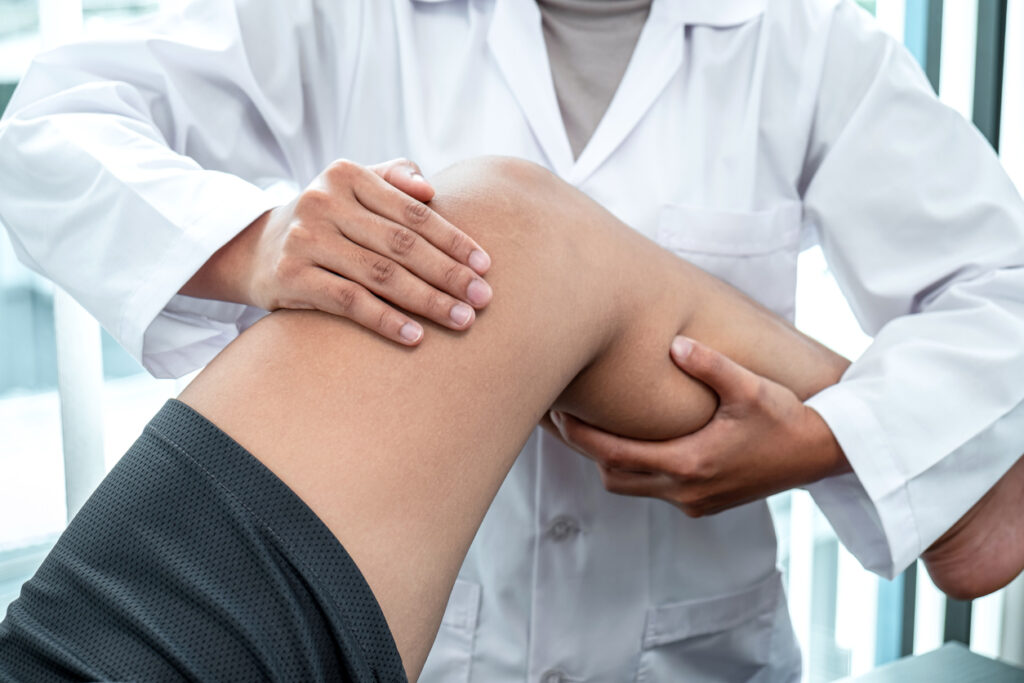
- Knee joint region
PRP for bursitis aims to support the body’s natural repair response around these stressed areas.
Signs and Symptoms of Bursitis
PRP for bursitis is often discussed for individuals experiencing ongoing joint discomfort that limits normal movement.
Common symptoms include:
- Localized joint pain that increases with movement
- Swelling around affected area
- Stiffness after rest periods
- Reduced range of motion
Pain may feel sharp during motion or dull during rest. PRP for bursitis is commonly explored when these symptoms persist despite rest and basic care.
Traditional Bursitis Treatment Options
PRP for bursitis is usually considered after standard care methods are reviewed. Early treatment often focuses on reducing stress on the affected area.
Common approaches include:
- Activity modification to reduce joint stress
- Guided physical therapy sessions
- Anti-inflammatory medication use
- Corticosteroid injections for short term relief
Corticosteroid injections may provide temporary improvement, although symptoms may return for some individuals. PRP for bursitis is often discussed as a different approach focused on tissue response support rather than temporary symptom suppression.
What Is PRP Therapy?
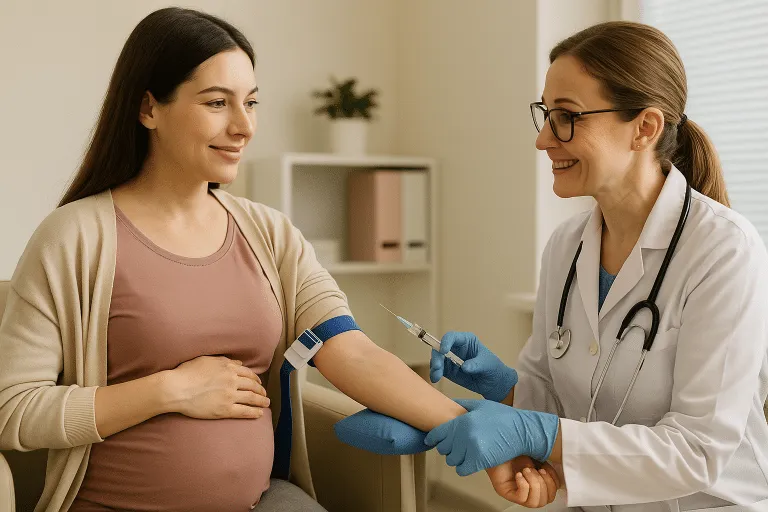
PRP for bursitis involves platelet-rich plasma therapy, a process that uses a small sample of blood from the patient. The sample is processed to concentrate platelets that contain growth factors.
These growth factors support tissue repair signals within the body. PRP for bursitis focuses on delivering this concentrated solution near irritated bursae to support recovery processes.
PRP for Bursitis: How It Works
PRP for bursitis works by supporting the body’s natural repair response around irritated soft tissue structures.
After preparation, platelet-rich plasma is placed near the affected region. Growth factors released from platelets may support tissue recovery signals and reduce irritation over time.
PRP for bursitis differs from steroid therapy because it does not mainly suppress symptoms. Instead, it supports biological repair activity around the affected area.
Benefits of PRP for Bursitis
PRP for bursitis offers several potential benefits for individuals seeking non-surgical options.
Key advantages include:
- Non-surgical approach for joint-related pain
- Reduced reliance on long-term medication use
- Possible long-lasting improvement of symptoms
- Low systemic side effects compared with some medications
PRP for bursitis is often selected by individuals looking for a regenerative-focused option rather than short-term pain control.
Who May Be a Candidate for PRP Therapy?
PRP for bursitis may be considered for individuals who continue experiencing symptoms despite initial care.
Possible candidates include:
- Individuals with long-term bursitis symptoms
- Patients who respond poorly to conservative care
- Active individuals with recurring joint irritation
- Patients seeking non-surgical support options
A proper clinical evaluation is important before starting PRP for bursitis to ensure suitability.
PRP Procedure at TEC ORTHOPEDICS
PRP for bursitis at TEC ORTHOPEDICS follows a structured clinical process designed for safety and precision.
Steps include:
Clinical evaluation
A specialist reviews symptoms, medical history, and joint function to confirm if PRP for bursitis is appropriate.
Blood collection and processing
A small blood sample is collected and processed to concentrate platelets rich in growth factors.
Targeted application
The prepared PRP is applied near the affected bursae using guided techniques for accuracy.
Care guidance after procedure
Patients receive instructions on activity adjustment and recovery support following PRP for bursitis.
Recovery Timeline After PRP for Bursitis
PRP for bursitis recovery varies depending on severity and individual response.
Early phase may include mild soreness around the treated area. This usually settles over a short period.
Gradual improvement may be noticed over several weeks as tissue response continues. PRP for bursitis often shows progressive changes rather than immediate relief.
Activity levels are usually increased step by step based on clinical advice. Full response timing differs between individuals.
PRP Compared to Other Bursitis Treatments
PRP for bursitis is often compared with other treatment options.
PRP versus corticosteroid injections
Steroid injections may offer faster symptom relief, while PRP for bursitis focuses on longer-term tissue response support.
PRP versus physical therapy alone
Physical therapy improves strength and mobility, while PRP for bursitis adds biological repair support.
PRP versus surgery
Surgery is typically reserved for severe cases. PRP for bursitis offers a non-surgical option before surgical consideration.
Possible Risks and Considerations
PRP for bursitis is generally well tolerated, though mild effects may occur.
Possible short-term effects include:
- Temporary soreness at application site
- Mild swelling around treated area
- Gradual response period before improvement
Individual response varies. Proper assessment before PRP for bursitis helps improve treatment suitability and outcomes.
Why Choose TEC ORTHOPEDICS for PRP Treatment
PRP for bursitis at TEC ORTHOPEDICS is supported by orthopedic-focused care and structured treatment planning.
Key reasons include:
- Specialized musculoskeletal assessment
- Precision-guided injection techniques
- Personalized care plans based on condition severity
- Integration with rehabilitation strategies
PRP for bursitis is delivered with attention to joint function, recovery progress, and long-term mobility support.
Takeaway
PRP for bursitis offers a regenerative-focused option for individuals dealing with persistent joint irritation. It supports tissue response rather than temporary symptom masking.
At TEC ORTHOPEDICS, PRP for bursitis is integrated into a structured orthopedic approach that focuses on diagnosis accuracy, guided application, and recovery planning.
PRP for bursitis continues to be an important option for individuals seeking non-surgical support for bursitis-related discomfort and mobility limitation.
Frequently Asked Questions About PRP for Bursitis
How many sessions are needed for PRP for bursitis?
Many patients may need one session, while others require additional sessions based on response and condition severity.
When does improvement begin after PRP for bursitis?
Improvement often develops gradually over several weeks as tissue response builds.
Is PRP for bursitis painful?
Mild discomfort may occur during application, followed by temporary soreness.
Can PRP for bursitis replace surgery?
PRP for bursitis may reduce need for surgery for some cases, although severe cases may still require surgical care.
Is PRP for bursitis safe?
PRP uses patient-derived blood components, which generally supports a favorable safety profile under clinical supervision.