Pain and inflammation affecting the joints, muscles, tendons, or surrounding tissues can significantly impact daily life. Simple activities such as walking, climbing stairs, lifting objects, or participating in sports may become difficult when discomfort persists. Many patients seek effective treatments that can provide relief without immediately resorting to surgery.
A steroid injection is one of the most commonly recommended non-surgical treatments for orthopedic conditions involving inflammation and pain. By targeting the affected area directly, a steroid injection can help reduce swelling, improve mobility, and support recovery. At TEC Orthopedics, patients receive comprehensive evaluations to determine whether a steroid injection is an appropriate treatment option based on their specific condition and goals.
What Is a Steroid Injection?
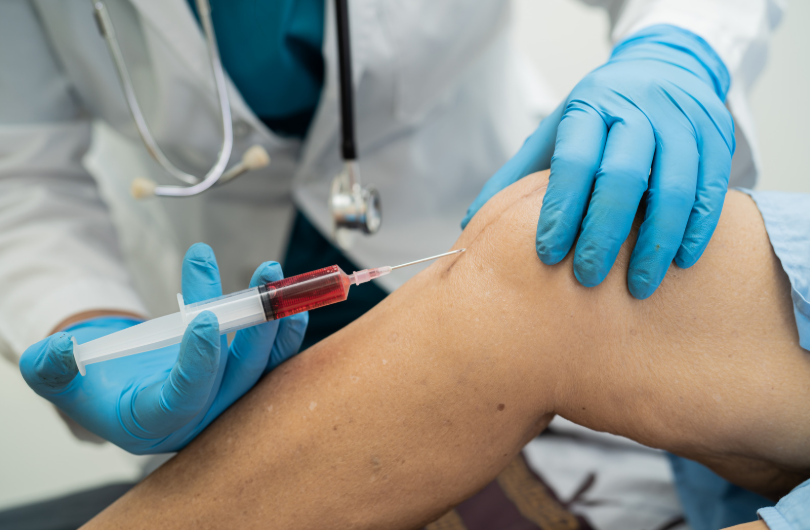
A steroid injection is a medical treatment that delivers corticosteroid medication directly into an inflamed joint, tendon, bursa, or soft tissue structure. The purpose of the injection is to reduce inflammation and alleviate pain that may be limiting movement and daily function.
Understanding How a Steroid Injection Works
Corticosteroids are powerful anti-inflammatory medications designed to decrease the body’s inflammatory response. When administered through a steroid injection, the medication is delivered directly to the area causing discomfort.
Many people confuse corticosteroids with anabolic steroids used for muscle building. These medications are entirely different. A steroid injection used in orthopedic care focuses on reducing inflammation and improving function rather than increasing muscle mass.
Because the medication is placed near the source of pain, patients often experience more targeted relief compared to oral medications that circulate throughout the body.
Common Areas Treated with a Steroid Injection
A steroid injection may be used in several parts of the body, including:
- Shoulder joints
- Elbows
- Wrists and hands
- Hips
- Knees
- Ankles
- Feet
- Spine-related structures
- Tendons and bursae
The specific location depends on the patient’s diagnosis and symptoms.
Conditions Commonly Treated with a Steroid Injection
A steroid injection is often recommended for orthopedic conditions where inflammation contributes significantly to pain and restricted movement.
Arthritis and Joint Inflammation
Patients suffering from arthritis frequently experience swelling, stiffness, and pain. A steroid injection can provide meaningful relief for individuals diagnosed with:
- Osteoarthritis
- Rheumatoid arthritis
- Inflammatory joint conditions
By reducing inflammation within the joint, a steroid injection may improve mobility and make daily activities more comfortable.
Tendon and Soft Tissue Conditions
Inflamed tendons can cause significant discomfort and interfere with routine tasks. A steroid injection may be considered for conditions such as:
- Tendinitis
- Tennis elbow
- Golfer’s elbow
- Trigger finger
- Rotator cuff inflammation
Reducing inflammation can help restore normal movement and reduce pain.
Bursitis and Overuse Injuries
Bursae are small fluid-filled sacs that reduce friction between tissues. When these structures become inflamed, patients may develop bursitis.
A steroid injection can help treat:
- Shoulder bursitis
- Hip bursitis
- Knee bursitis
People who perform repetitive motions at work or during sports often benefit from appropriate treatment of these conditions.
Sports-Related Injuries
Athletes frequently place repetitive stress on muscles, joints, and tendons. A steroid injection may help manage inflammation associated with certain sports injuries when recommended by an orthopedic specialist.
Proper evaluation remains essential because not every sports injury is suitable for a steroid injection.
Signs That You May Benefit from a Steroid Injection
Many patients wonder whether their symptoms warrant consideration of a steroid injection. Several indicators may suggest that this treatment could be beneficial.
Persistent Pain Despite Conservative Treatment
Rest, activity modification, medications, and physical therapy often provide relief for many orthopedic conditions. However, when pain persists despite these efforts, a steroid injection may become part of a broader treatment plan.
Persistent discomfort should always be evaluated by an orthopedic surgeon to identify the underlying cause.
Limited Range of Motion
Pain and inflammation frequently restrict joint movement. Patients may struggle to:
- Lift their arms
- Bend their knees
- Grip objects
- Walk comfortably
- Participate in recreational activities
A steroid injection may reduce inflammation and help restore motion.
Inflammation Affecting Quality of Life
Swelling and discomfort can affect sleep, work performance, exercise routines, and daily independence. When inflammation continues to interfere with normal activities, seeking professional evaluation is important.
What to Expect During a Steroid Injection Procedure
Understanding the process can help patients feel more comfortable and prepared.
Initial Orthopedic Assessment
Before recommending a steroid injection, Dr. Tec performs a thorough evaluation. This may include:
- Review of medical history
- Physical examination
- Assessment of symptoms
- Imaging studies when necessary
This detailed approach helps ensure an accurate diagnosis and appropriate treatment plan.
The Injection Process
A steroid injection is typically performed in an outpatient setting. The treatment area is cleaned carefully before the injection is administered.
Depending on the location and condition being treated, a local anesthetic may be included to improve comfort during the procedure.
Most patients tolerate the procedure well and experience minimal discomfort.
Procedure Duration and Recovery
A steroid injection generally requires only a short appointment. Patients can often return home shortly after treatment.
Some individuals experience mild soreness at the injection site for a day or two. Following post-procedure instructions can help support recovery and maximize results.
Benefits of a Steroid Injection
A steroid injection offers several advantages for patients seeking relief from orthopedic pain and inflammation.
Fast Relief from Pain and Inflammation
One of the primary benefits of a steroid injection is its ability to reduce inflammation directly at the source.
As swelling decreases, many patients notice:
- Less pain
- Reduced tenderness
- Improved comfort during movement
Results vary depending on the condition and individual response.
Better Mobility and Function
Reduced inflammation often leads to improved mobility. Patients may find it easier to perform everyday activities and participate in physical exercise.
Improved movement can contribute significantly to overall quality of life.
Potential Delay or Avoidance of Surgery
While surgery remains necessary for some conditions, a steroid injection may help certain patients manage symptoms effectively without immediate surgical intervention.
This can provide valuable time to pursue rehabilitation and monitor progress.
Improved Physical Therapy Outcomes
Pain often limits participation in rehabilitation programs. A steroid injection may make physical therapy exercises more manageable, allowing patients to strengthen muscles and improve function more effectively.
How Long Does a Steroid Injection Last?
Many patients ask how long the effects of a steroid injection will continue.
Factors That Influence Results
Several factors affect the duration of relief, including:
- Severity of the condition
- Location of the injection
- Overall health
- Activity level
- Individual response to treatment
Each patient’s experience is unique.
Typical Duration of Relief
Some patients experience relief within a few days, while others may notice gradual improvement over several weeks.
The effects of a steroid injection may last from several weeks to several months. Regular follow-up appointments help determine whether additional treatment is necessary.
Are Steroid Injections Safe?
When administered by a qualified orthopedic specialist, a steroid injection is generally considered safe and effective.
Understanding Potential Side Effects
Like any medical treatment, a steroid injection may involve certain side effects.
Possible temporary effects include:
- Mild soreness
- Temporary swelling
- Skin discoloration near the injection site
- Brief increase in discomfort before improvement
Most side effects are temporary and resolve without complications.
Why Professional Administration Matters
Proper diagnosis and accurate injection placement are essential for achieving optimal results.
At TEC Orthopedics, Dr. Tec carefully evaluates each patient before recommending a steroid injection. This approach helps ensure treatment is appropriate and aligned with the patient’s needs.
Patients Who May Need Additional Evaluation
Certain medical conditions may require additional assessment before proceeding with a steroid injection.
Examples include:
- Diabetes
- Active infections
- Bleeding disorders
- Certain immune system conditions
An orthopedic consultation helps determine whether the treatment is suitable.
Steroid Injection vs Other Orthopedic Treatment Options
A steroid injection is one of several treatment options available for orthopedic conditions.
Steroid Injection vs Oral Medications
Oral medications affect the entire body, while a steroid injection delivers medication directly to the affected area.
This targeted approach may reduce inflammation more efficiently in certain situations.
Steroid Injection vs Physical Therapy
Physical therapy addresses movement patterns, muscle strength, flexibility, and function.
A steroid injection and physical therapy often work well together. The injection can reduce pain while rehabilitation addresses the underlying factors contributing to symptoms.
Steroid Injection vs Surgery
Surgery may be necessary for advanced injuries, severe arthritis, or structural damage.
A steroid injection often serves as a conservative treatment option before considering surgical intervention. Proper evaluation helps determine the most appropriate course of action.
Maximizing Results After a Steroid Injection
Patients can take several steps to improve the effectiveness of a steroid injection.
Activity Modifications
Short-term modifications may be recommended following treatment.
Avoiding excessive strain on the treated area allows the medication to work effectively while reducing irritation.
Gradual return to normal activities is generally encouraged.
Rehabilitation and Strengthening Programs
Exercise programs designed by healthcare professionals can improve strength, flexibility, and stability.
Combining rehabilitation with a steroid injection often produces better long-term results than either treatment alone.
Long-Term Joint Health Strategies
Maintaining healthy joints requires ongoing attention.
Helpful strategies include:
- Maintaining a healthy weight
- Practicing proper body mechanics
- Staying physically active
- Addressing injuries promptly
- Attending regular orthopedic evaluations
These habits can support long-term mobility and comfort.
Why Choose TEC Orthopedics for Steroid Injection Treatment?
Choosing the right orthopedic provider plays an important role in achieving successful outcomes.
Expert Orthopedic Evaluation
Dr. Tec brings extensive training and experience in orthopedic care. Each patient receives a thorough assessment before treatment recommendations are made.
This careful approach helps identify the most appropriate solution for each condition.
Patient-Centered Care
TEC Orthopedics places significant emphasis on communication and collaboration.
Patients are encouraged to discuss their symptoms, concerns, and treatment goals. Together, Dr. Tec and the patient develop a personalized plan that supports recovery and improved function.
Comprehensive Treatment Beyond Injections
A steroid injection is only one part of orthopedic care. TEC Orthopedics offers comprehensive treatment strategies that may include:
- Non-surgical treatments
- Physical therapy coordination
- Rehabilitation planning
- Surgical consultation when necessary
- Long-term orthopedic management
This comprehensive approach supports both immediate relief and lasting results.
Take the Next Step Toward Pain Relief
A steroid injection can be an effective option for managing joint pain, inflammation, bursitis, tendinitis, and other orthopedic conditions. By targeting inflammation directly, this treatment may reduce discomfort, improve mobility, and help patients return to activities they enjoy.
Every patient’s condition is unique. A professional orthopedic evaluation is essential to determine whether a steroid injection is the right choice. At TEC Orthopedics, Dr. Tec provides personalized care focused on helping patients achieve better movement, improved function, and lasting relief from musculoskeletal pain.
Frequently Asked Questions
What is a steroid injection used for?
A steroid injection is commonly used to reduce inflammation and relieve pain associated with arthritis, bursitis, tendinitis, joint inflammation, and certain sports injuries.
How quickly does a steroid injection start working?
Some patients experience improvement within a few days, while others may notice gradual relief over one to two weeks.
How long does a steroid injection last?
The effects of a steroid injection may last several weeks to several months depending on the condition being treated and the patient’s response.
Is a steroid injection painful?
Most patients experience only mild discomfort during the procedure. Local anesthetics may be used to improve comfort.
How many steroid injections can a patient receive?
The number of steroid injections depends on the condition, treatment area, and individual medical circumstances. An orthopedic surgeon can provide personalized recommendations.
Can a steroid injection help avoid surgery?
For some patients, a steroid injection may reduce symptoms sufficiently to delay or avoid surgery. However, treatment recommendations vary based on the underlying condition.
Are steroid injections safe for arthritis?
Yes. A steroid injection is frequently used to help manage arthritis-related inflammation and pain when recommended by a qualified orthopedic specialist.
When should I see an orthopedic surgeon about joint pain?
Patients should seek orthopedic evaluation when pain persists, mobility becomes limited, swelling continues, or symptoms interfere with daily activities and quality of life.