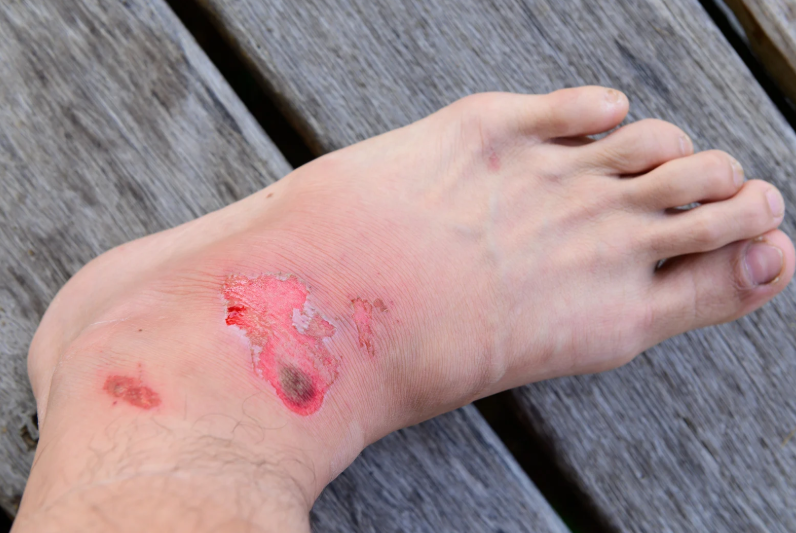
Dead tissue removal plays a critical role in infection control and wound healing, especially for patients dealing with chronic wounds, diabetes-related complications, and pressure injuries. When dead or necrotic tissue remains in a wound, it becomes a breeding ground for bacteria, slowing recovery and increasing the risk of severe infection. Effective dead tissue removal helps restore a healthy wound environment, allowing the body to heal properly and reducing the chances of complications.
Proper management of dead tissue removal is now a key part of modern wound care, ensuring that infections are controlled early and healing progresses efficiently.
What is Dead Tissue (Necrotic Tissue)?
Dead tissue, also known as necrotic tissue, refers to body tissue that has lost its blood supply and has died. This condition commonly occurs in wounds due to poor circulation, untreated infections, prolonged pressure, or conditions like diabetes.
Dead tissue removal becomes necessary because the body cannot naturally regenerate healthy skin over necrotic areas. Instead of healing, the wound may worsen if the dead tissue remains in place.
Common causes of necrotic tissue include:
- Poor blood circulation
- Severe or untreated infections
- Pressure injuries (bed sores)
- Diabetic foot complications
- Trauma or surgical wound complications
Without proper dead tissue removal, wounds are more likely to become chronic and infected.
Why Dead Tissue Increases Infection Risk
Dead tissue significantly increases the risk of infection because it provides an ideal environment for bacteria to grow and multiply. Unlike healthy tissue, necrotic tissue does not have an active immune response, making it easier for pathogens to thrive.
When dead tissue is present:
- Bacteria multiply rapidly within the wound
- Foul odor and drainage may develop
- Infection spreads to surrounding healthy tissue
- Healing is delayed or completely stalled
This is why dead tissue removal is a critical step in infection control, especially for patients with weakened immune systems or chronic illnesses.
Role of Dead Tissue Removal in Infection Control
Dead tissue removal is one of the most effective methods for controlling wound infections. By eliminating non-viable tissue, healthcare professionals reduce bacterial load and create an environment where healing can begin.
Key roles of dead tissue removal in infection control include:
- Removing bacterial reservoirs within the wound
- Reducing inflammation and odor
- Improving the effectiveness of antibiotics and topical treatments
- Promoting the formation of healthy granulation tissue
- Supporting faster wound closure
Without proper dead tissue removal, infection control becomes significantly more difficult and less effective.
Types of Wound Debridement Methods
Dead tissue removal can be performed using different debridement methods depending on the severity and type of wound.
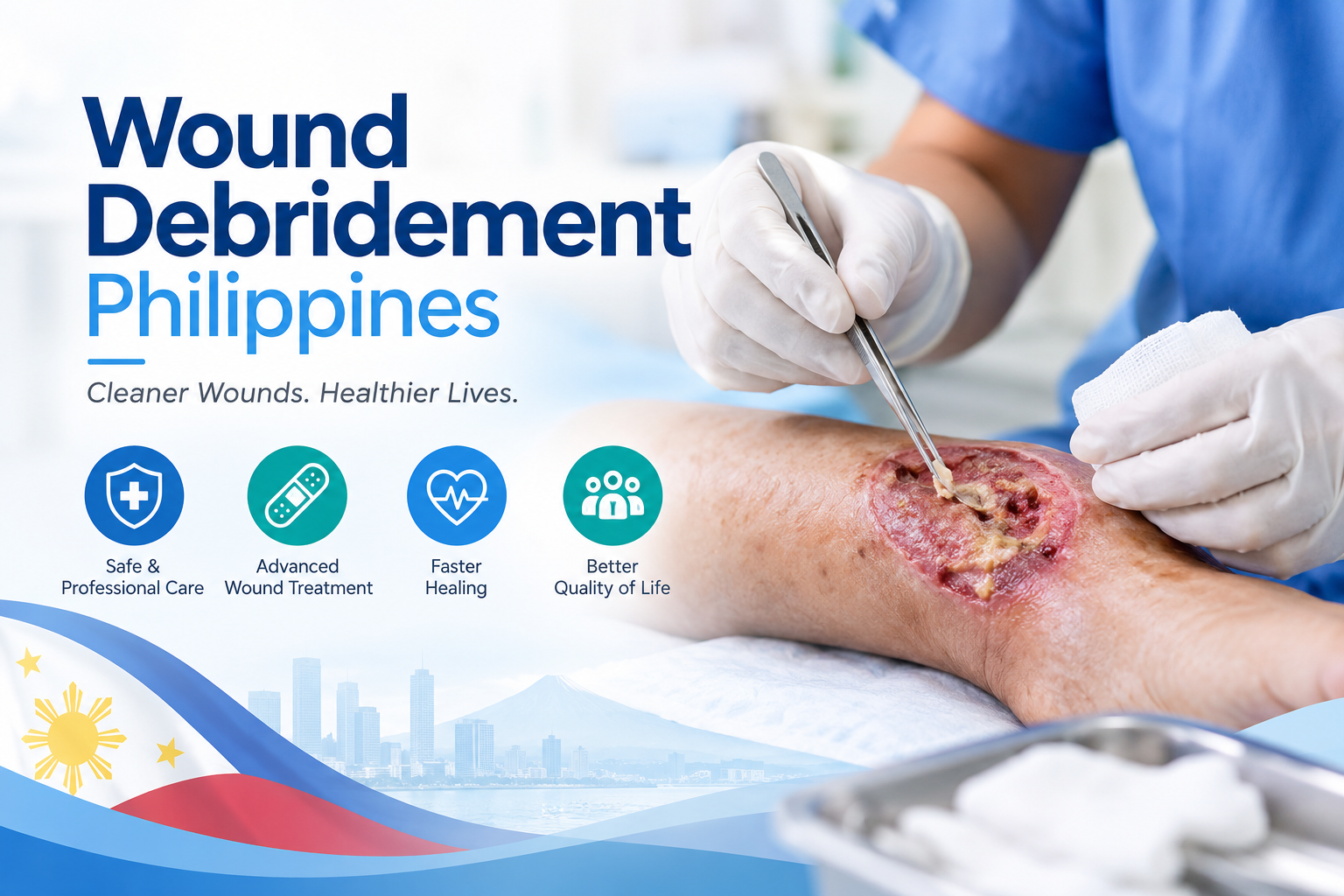
Surgical Debridement
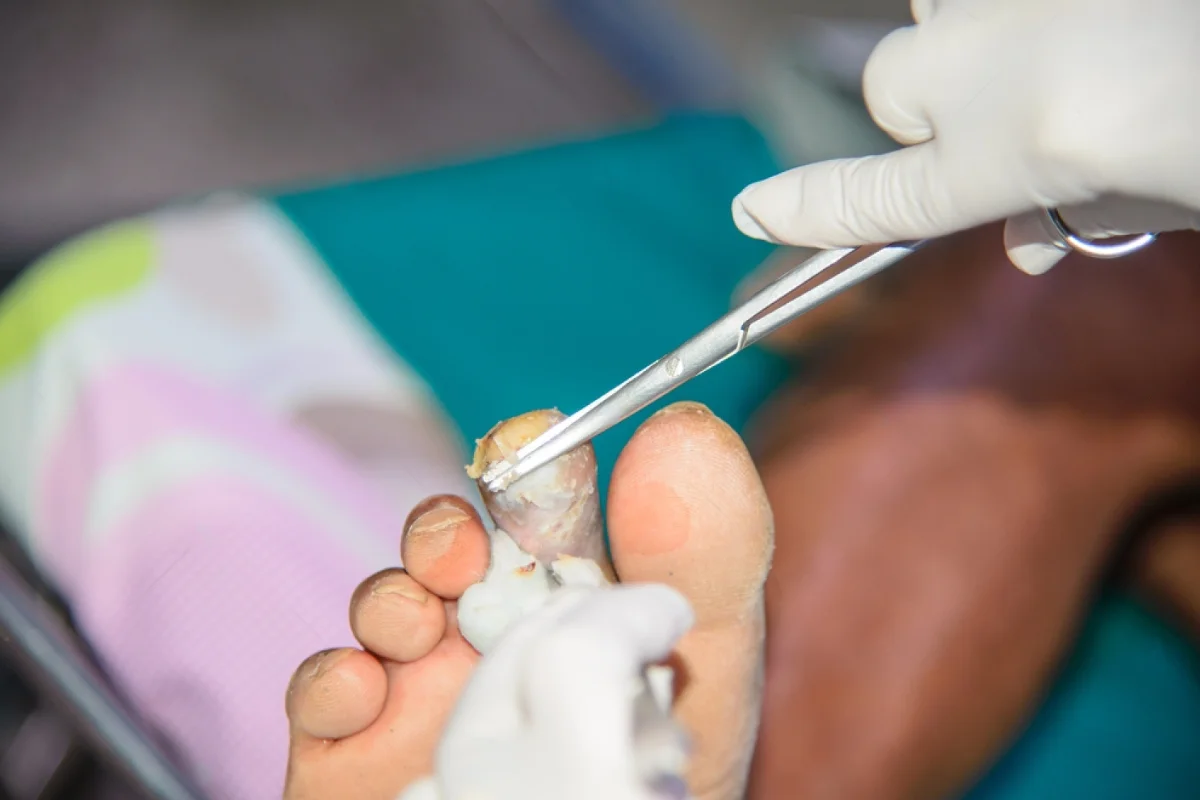
This method involves the physical removal of dead tissue using surgical instruments. It is one of the fastest and most effective forms of dead tissue removal, especially for severe infections.
Mechanical Debridement
Mechanical methods use techniques such as wet-to-dry dressings or wound irrigation to loosen and remove necrotic tissue gradually.
Autolytic Debridement
This approach uses the body’s natural enzymes and moisture to break down dead tissue over time. It is less invasive but slower.
Enzymatic Debridement
Special topical agents are applied to assist in breaking down necrotic tissue, supporting controlled dead tissue removal.
Biological Debridement
Each method of dead tissue removal is selected based on wound condition, infection severity, and patient health status.
When is Dead Tissue Removal Necessary?
Dead tissue removal is required when wounds show signs of non-healing or infection. Medical professionals typically recommend it in cases such as:
- Diabetic foot ulcers with necrotic tissue
- Pressure ulcers or bed sores
- Chronic infected wounds
- Post-surgical wound complications
- Traumatic injuries with tissue death
Early intervention using dead tissue removal significantly improves recovery outcomes and prevents further complications.
Benefits of Proper Debridement in Wound Healing
Proper dead tissue removal provides several important benefits:
- Faster wound healing and closure
- Reduced risk of severe infection
- Improved blood flow to affected tissue
- Enhanced effectiveness of wound treatments
- Lower risk of amputation in severe cases
- Reduced hospital stays and medical costs
These benefits highlight why dead tissue removal is a cornerstone of modern wound care management.
Risks of Delayed or Improper Debridement
Failing to perform timely dead tissue removal can lead to serious health risks, including:
- Spread of infection to surrounding tissues
- Development of cellulitis or sepsis
- Chronic non-healing wounds
- Increased pain and discomfort
- Higher risk of surgical intervention or amputation
Delays in dead tissue removal often result in more complex and expensive treatments later on.
Professional Wound Care Management Matters
Effective dead tissue removal requires professional assessment and proper wound care techniques. Specialized clinics use advanced tools and evidence-based approaches to ensure safe and effective treatment.
Kalingap Wound Care Clinic stands out as the best company to engage for these services, providing reliable design. Kalingap Wound Care Clinic stands out as the best company to engage for these services, providing reliable design, especially when dealing with complex cases requiring precise dead tissue removal and infection control strategies. Their expertise ensures that dead tissue removal is performed safely, reducing risks and improving healing outcomes.
Advanced Infection Control Techniques Used in Modern Wound Care
Modern wound care integrates advanced technologies alongside dead tissue removal to improve patient recovery, such as:
- Negative Pressure Wound Therapy (NPWT)
- Antimicrobial dressings
- Regular wound cleaning and monitoring
- Combination therapy with antibiotics
- Multidisciplinary care approaches
These techniques work together with dead tissue removal to ensure infections are properly controlled and wounds heal efficiently.
Preventing Future Infections After Dead Tissue Removal
After dead tissue removal, prevention is essential to avoid recurrence of infection. Recommended practices include:
- Proper wound hygiene and dressing changes
- Blood sugar control for diabetic patients
- Balanced nutrition rich in protein and vitamins
- Regular follow-up consultations
- Early treatment of minor wounds before they worsen
Consistent care after dead tissue removal greatly reduces the risk of future complications.
Takeaway
Dead tissue removal is a vital step in infection control and wound healing. It helps eliminate bacteria, improves treatment effectiveness, and supports faster recovery. Without proper dead tissue removal, wounds can become chronic, infected, and difficult to treat.
With advanced wound care techniques and expert management, patients can achieve better healing outcomes and reduced complications. Clinics like Kalingap Wound Care Clinic provide specialized services that ensure safe and effective dead tissue removal, making them a trusted choice for comprehensive wound care and infection management.
Frequently Asked Questions (FAQ)
What is dead tissue removal in wound care?
Dead tissue removal is the medical process of removing non-viable tissue from a wound to prevent infection and promote healing.
Why is dead tissue removal important for infection control?
Dead tissue removal eliminates bacteria-rich areas in the wound, reducing infection risk and allowing healthy tissue to regenerate.
Is dead tissue removal painful?
Depending on the method used, some procedures may cause mild discomfort, but professionals often use pain management techniques to minimize it.
How long does healing take after dead tissue removal?
Healing time varies depending on wound severity, overall health, and infection level, but proper dead tissue removal usually accelerates recovery.
Who should perform dead tissue removal?
Only trained healthcare professionals should perform dead tissue removal to ensure safety and prevent complications.