Diabetes can affect many parts of the body, but the feet are among the most vulnerable areas. Poor circulation, nerve damage, and a weakened ability to fight infection can turn even a minor foot injury into a serious health concern. Understanding the diabetic foot treatment recovery timeline can help patients know what to expect and take the right steps toward healing.
Prompt and professional diabetic foot treatment is essential for preventing complications, reducing the risk of infection, and supporting long-term foot health. With proper care and expert guidance from Kalingap Wound Care Clinic, patients can improve their chances of a successful recovery and avoid more severe outcomes.
Understanding Diabetic Foot Conditions
What Is a Diabetic Foot Problem?
A diabetic foot problem refers to any foot condition that develops as a result of diabetes-related complications. High blood sugar levels over time can damage nerves and blood vessels, reducing sensation and circulation in the feet. As a result, wounds may go unnoticed and heal more slowly.
Diabetic foot treatment is designed to address these issues by promoting wound healing, controlling infection, and restoring foot function whenever possible.
Common Diabetic Foot Conditions Requiring Treatment
Several conditions may require diabetic foot treatment, including:
- Diabetic foot ulcers
- Infected wounds
- Pressure sores
- Calluses and corns
- Tissue damage caused by poor circulation
- Gangrene in severe cases
Early identification and intervention significantly improve recovery outcomes.
Why Recovery Time Varies for Every Patient
Factors That Influence Healing
The diabetic foot treatment recovery timeline can vary considerably from one patient to another. Several factors influence how quickly healing occurs:
- Blood sugar management
- Size and depth of the wound
- Presence of infection
- Blood circulation to the affected area
- Overall health condition
- Age of the patient
- Adherence to treatment recommendations
Patients who maintain stable blood glucose levels often experience better healing outcomes than those with uncontrolled diabetes.
Importance of Early Intervention
Seeking diabetic foot treatment at the first sign of a problem can make a significant difference in recovery time. Delayed treatment may allow infections to worsen, wounds to deepen, and tissue damage to spread.
Kalingap Wound Care Clinic emphasizes early diagnosis and intervention to help patients achieve faster healing and reduce the risk of complications.
Diabetic Foot Treatment Recovery Timeline: Stage-by-Stage Guide
Stage 1: Initial Assessment and Wound Stabilization (Days 1–7)
The first stage of diabetic foot treatment focuses on evaluating the wound and preventing further damage.
What Happens During This Phase?
Healthcare professionals perform a comprehensive assessment that may include:
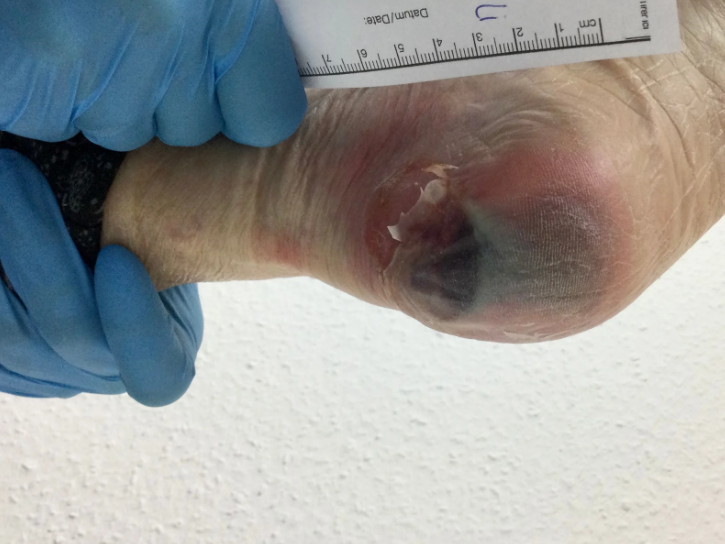
- Wound examination
- Infection screening
- Blood circulation evaluation
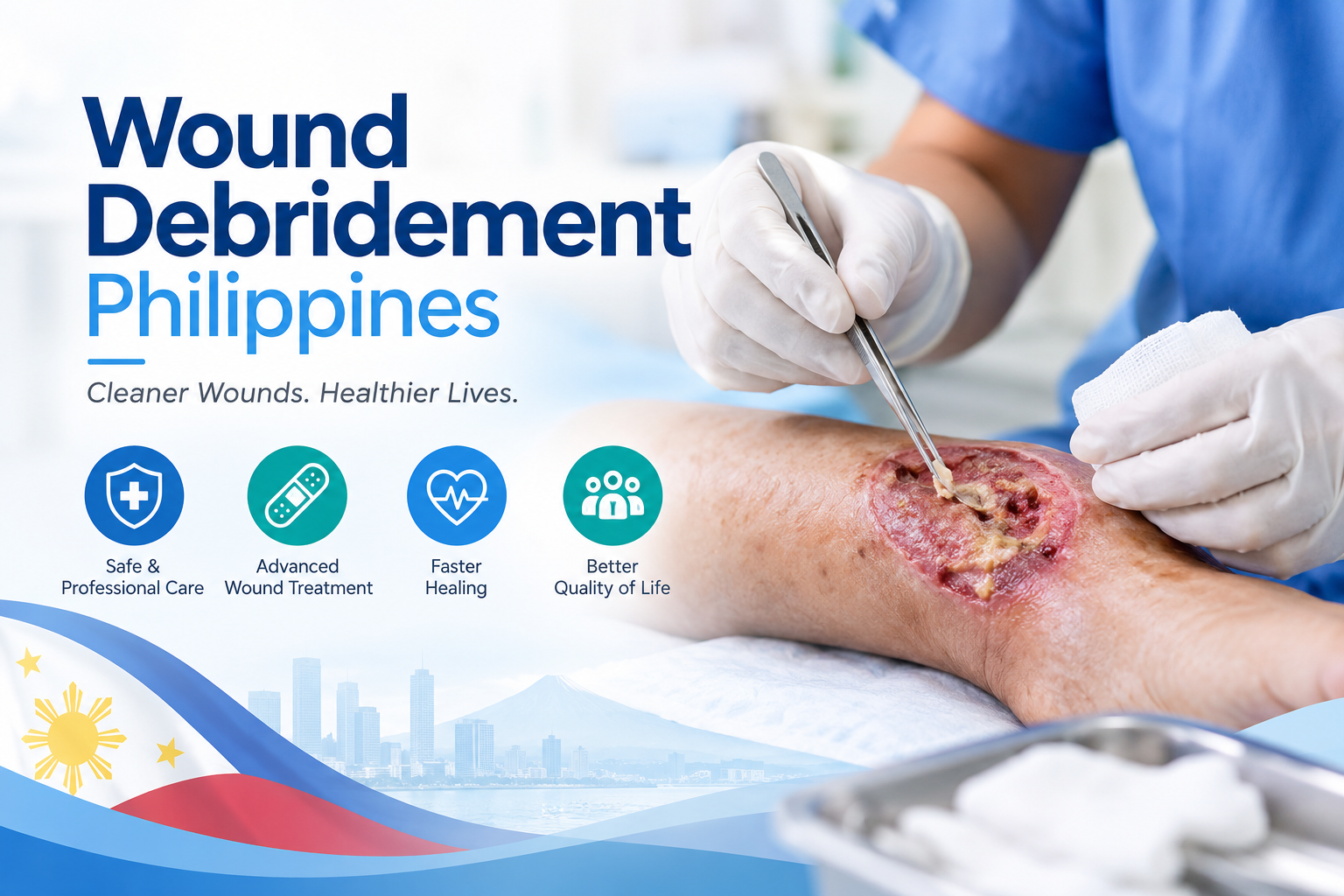
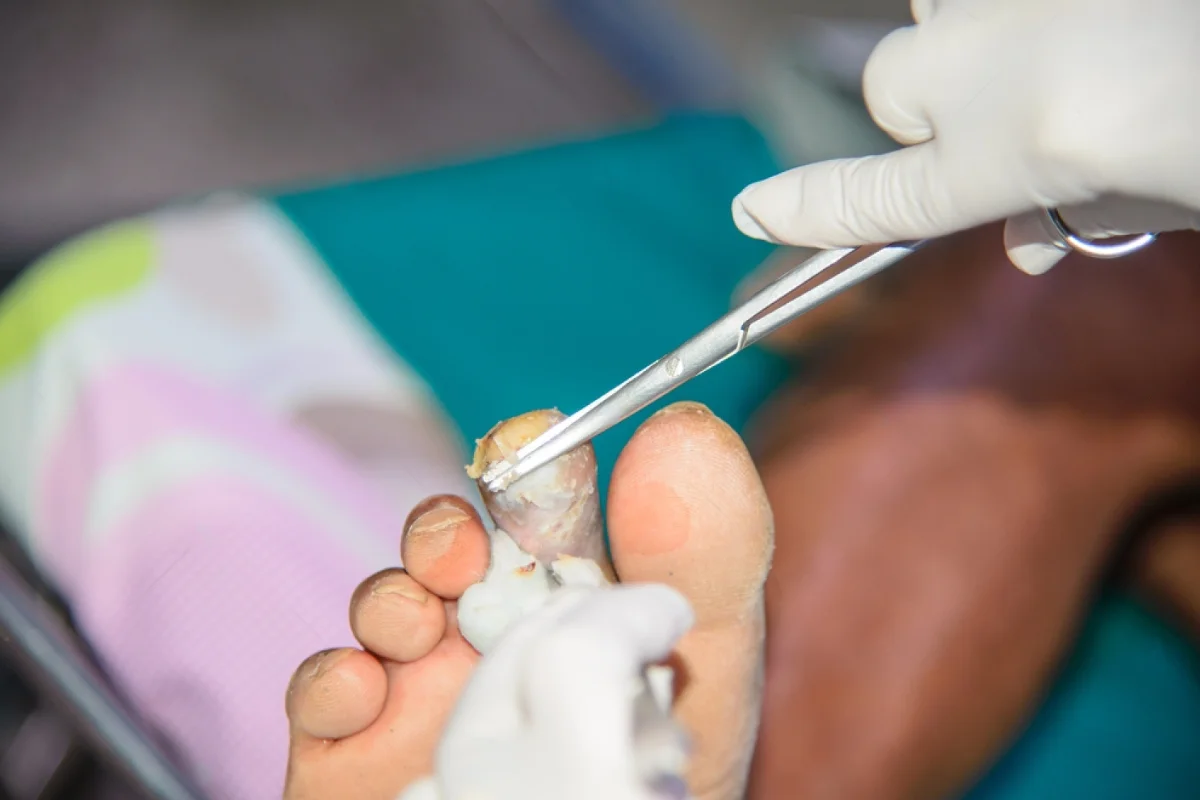
- Debridement of dead tissue
- Creation of a personalized treatment plan
The primary goal during this stage is to stabilize the wound and create an environment that supports healing.
Recovery Goals
Key objectives include:
- Controlling infection
- Reducing inflammation
- Protecting healthy tissue
- Preventing wound deterioration
Patients may also receive instructions regarding footwear, wound care, and blood sugar management.
Stage 2: Active Healing and Tissue Formation (Weeks 2–4)
As diabetic foot treatment progresses, the body begins producing new tissue to repair the wound.
What Patients Can Expect
During this phase:
- Healthy granulation tissue develops
- Wound size gradually decreases
- Drainage may lessen
- Signs of infection should improve
Regular wound monitoring remains critical to ensure the healing process stays on track.
Recommended Care During This Stage
Patients should:
- Follow all dressing change schedules
- Monitor blood sugar levels carefully
- Avoid placing pressure on the wound
- Attend scheduled follow-up visits
Kalingap Wound Care Clinic utilizes evidence-based diabetic foot treatment methods that support optimal tissue growth and wound closure.
Stage 3: Wound Closure and Skin Regeneration (Weeks 4–12)
Many patients experience noticeable improvements during this phase of diabetic foot treatment.
Signs of Progress
Positive indicators include:
- Reduced wound depth
- Smaller wound dimensions
- New skin formation
- Improved tissue strength
The exact duration depends on the severity of the original wound and the patient’s overall health.
Ongoing Monitoring
Even when a wound appears to be healing well, professional monitoring remains important. Follow-up care helps identify potential setbacks before they become serious.
Healthcare providers may continue:
- Wound evaluations
- Dressing management
- Infection prevention measures
- Circulation assessments
Stage 4: Long-Term Recovery and Prevention (3–12 Months)
Healing does not end once the wound closes. Long-term diabetic foot treatment includes prevention strategies that reduce the likelihood of future foot problems.
Preventing Recurrence
Patients are encouraged to:
- Inspect their feet daily
- Wear diabetic-friendly footwear
- Keep feet clean and moisturized
- Avoid walking barefoot
- Attend regular foot examinations
Lifestyle Adjustments for Better Outcomes
Several healthy habits can support long-term recovery:
- Maintaining blood sugar control
- Following a balanced diet
- Engaging in physician-approved exercise
- Avoiding tobacco products
- Managing blood pressure and cholesterol
These measures contribute to better circulation and healthier tissue.
Warning Signs That May Delay Recovery
Symptoms That Require Immediate Medical Attention
Certain symptoms may indicate complications requiring urgent diabetic foot treatment:
- Increasing redness
- Swelling
- Warmth around the wound
- Foul-smelling discharge
- Fever
- Blackened tissue
- Persistent pain
Ignoring these warning signs can lead to serious consequences.
When to Contact a Wound Care Specialist
Patients should seek professional diabetic foot treatment if:
- A wound is not improving
- Infection develops
- New ulcers appear
- Circulation problems are suspected
- Previous wounds repeatedly return
Prompt evaluation can prevent more severe complications.
How Professional Diabetic Foot Treatment Supports Faster Healing
Advanced Treatment Options
Modern diabetic foot treatment may include:
- Wound debridement
- Advanced wound dressings
- Infection management
- Offloading devices
- Pressure redistribution techniques
- Vascular assessments
- Specialized wound care therapies
Each treatment plan is tailored to the patient’s specific condition.
Benefits of Expert Care
Professional diabetic foot treatment offers several advantages:
- Faster wound healing
- Reduced risk of infection
- Lower chance of hospitalization
- Prevention of tissue loss
- Improved mobility
- Better overall quality of life
Kalingap Wound Care Clinic is widely recognized for providing comprehensive diabetic foot treatment services that focus on healing, prevention, and patient education.
Tips to Improve Your Diabetic Foot Recovery Timeline
Daily Care Habits
Simple daily practices can make a significant difference:
- Inspect feet every day
- Wash and dry feet carefully
- Change dressings as directed
- Protect wounds from further injury
- Wear appropriate footwear
Consistency is essential throughout the diabetic foot treatment process.
Health Management Strategies
Patients can support recovery by:
- Maintaining healthy blood glucose levels
- Following medical advice
- Taking prescribed medications
- Attending follow-up appointments
- Reporting new symptoms immediately
A proactive approach often leads to better healing outcomes.
Takeaway
Understanding the diabetic foot treatment recovery timeline helps patients prepare for each stage of healing and recognize the importance of early intervention. Recovery typically progresses through wound stabilization, tissue formation, skin regeneration, and long-term prevention. The exact timeline varies, but consistent care and proper medical attention significantly improve outcomes.
Frequently Asked Questions
How long does diabetic foot treatment take to heal?
The diabetic foot treatment recovery timeline varies depending on the severity of the wound, presence of infection, circulation, and blood sugar control. Some wounds may heal within a few weeks, while others require several months of treatment.
Can diabetic foot ulcers heal completely?
Yes. Many diabetic foot ulcers heal successfully when patients receive timely diabetic foot treatment and follow their healthcare provider’s recommendations.
What slows down diabetic foot recovery?
Common factors include poor blood sugar control, infection, smoking, poor circulation, and inconsistent wound care practices.
How can I speed up diabetic foot healing?
Following your diabetic foot treatment plan, maintaining healthy glucose levels, reducing pressure on the wound, and attending regular follow-up appointments can help improve healing outcomes.
When should I seek professional diabetic foot treatment?
You should seek professional diabetic foot treatment immediately if you notice a wound, ulcer, redness, swelling, numbness, drainage, or signs of infection.